955 zero emission buses funded in England through ZEBRA 2nd round
Further £143 million (166 million euros) will be invested in England to roll out almost a thousand new zero emission buses. Transport Secretary Mark Harper has confirmed that 955 zero emission buses will hit the road as 25 councils receive funding to decarbonise their bus fleets, with rural areas prioritised as part of the government’s […]
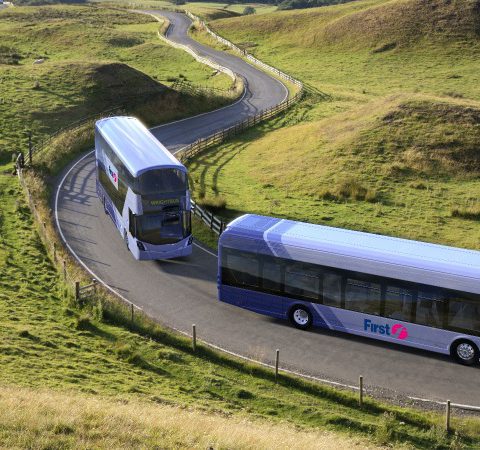
Further £143 million (166 million euros) will be invested in England to roll out almost a thousand new zero emission buses.
Transport Secretary Mark Harper has confirmed that 955 zero emission buses will hit the road as 25 councils receive funding to decarbonise their bus fleets, with rural areas prioritised as part of the government’s plan to improve local transport.
“From Derbyshire to Devon, to Torbay and the Tees Valley, the new investment will make local bus fleets more efficient, more comfortable and more sustainable while improving the local journeys that so many people rely on”, UK government states.
Funding from ZEBRA to 25 English councils
The funding comes from the second round of the Zero Emission Bus Regional Areas (ZEBRA) programme. Zero emission buses accounted for almost half of all new large buses introduced last year, according to the Society of Motor Manufacturers and Traders (SMMT). UK was leading the chart of countries with the higher number of zero emission buses registered in 2023.
Today’s investment follows over £270 million to 16 local transport authorities (LTAs) and councils from the first round of ZEBRA funding, bringing the total government support to roll out zero emission buses to more than £413 million across 41 LTAs.
Interestingly enough, UK government stresses that “more than half of electric buses from the first round of the ZEBRA scheme are manufactured in the UK“.
The government has prioritised the first £40 million for rural communities.
The funding is in addition to more than £3.5 billion the government has invested since 2020 to protect and improve bus services in England. Thanks to reallocated High Speed 2 (HS2) funding, the £2 bus fare cap has also been extended all the way to 31 December 2024 and a further £1 billion is being invested to improve bus services in the north and the Midlands.
Transport Secretary, Mark Harper, said: “As part of our plan to improve local transport across the country, we’re providing a further £143 million to improve journeys for bus passengers particularly in rural areas, with almost a thousand brand new, zero emission buses due to hit the road. This latest investment into our bus fleet comes on top of the £3.5 billion we have invested into our bus network since 2020, protecting and improving bus routes into 2025 as well as extending the £2 bus fare cap until the end of 2024, made possible by reallocated HS2 funding. The new state-of-the-art buses will improve the passenger experience, providing users with considerably quieter and more comfortable journeys”.
Alison Edwards, Director of Policy and External Relations at the Confederation of Passenger Transport (CPT), said: “CPT welcomes this support from government to help accelerate vital public and private investment in new zero emissions vehicles and charging infrastructure. The transition to a zero emission bus fleet is a huge opportunity for Britain to lead the world in creating a modern zero emission bus network that offers a growing number of passengers one of the most sustainable forms of transport”