10,900 electric buses up for grabs in India: new CESL tender, five cities involved
India has initiated a large-scale procurement process for the deployment of 10,900 electric buses, under the central government’s PM E-Drive scheme. The tender, issued by Convergence Energy Services Limited (CESL), includes the procurement, supply, operation, and maintenance of the fleet, as well as the development of associated civil and electrical infrastructure. The contract is based […]

India has initiated a large-scale procurement process for the deployment of 10,900 electric buses, under the central government’s PM E-Drive scheme. The tender, issued by Convergence Energy Services Limited (CESL), includes the procurement, supply, operation, and maintenance of the fleet, as well as the development of associated civil and electrical infrastructure. The contract is based on the Gross Cost Contracting (GCC) model. The same CESL was also taking care of the FAME program.
The tender was published on June 27, 2025, and follows the national strategy to promote electric mobility in public transport, as outlined by the Ministry of Heavy Industries (MHI).
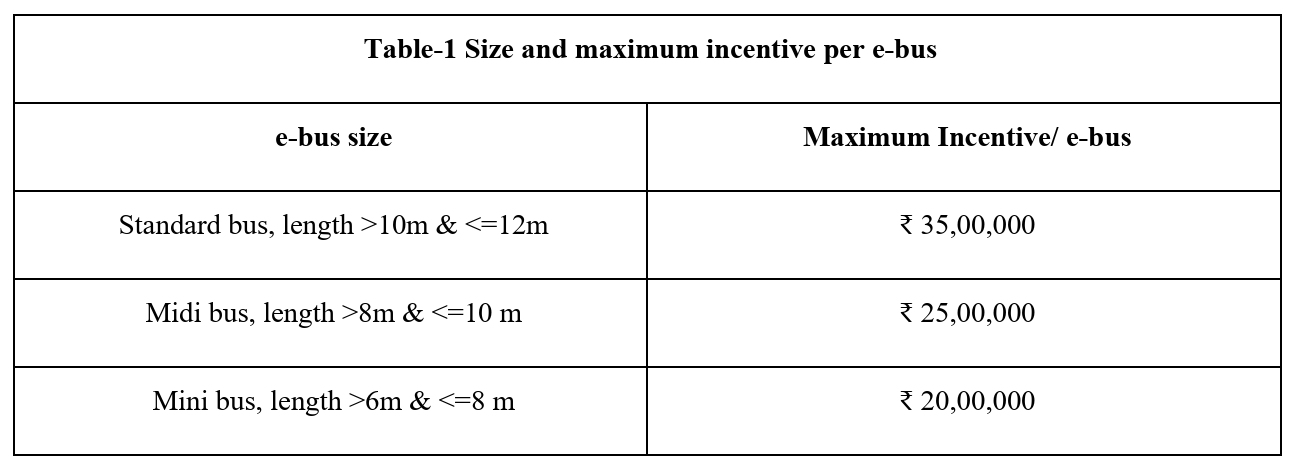
The PM E-Drive scheme provides subsidies amounting to approximately €437 million (43.91 billion Indian rupees) for a broader target of 14,028 electric buses to be deployed across nine cities with populations exceeding four million.
Electric buses in five Indian cities
The buses will be allocated across five metropolitan areas: Bengaluru is expected to receive 4,500 units (including 3,500 twelve-metre low-floor non-AC, 300 twelve-metre low-floor AC, 600 nine-metre low-floor non-AC, and 100 nine-metre low-floor AC buses). Delhi will witness the introduction of 2,800 buses (2,500 twelve-metre low-floor AC and 300 nine-metre low-floor AC), 2,000 will go to Hyderabad, 1,000 to Ahmedabad (600 nine-metre and 400 twelve-metre AC buses), 600 to Surat.
Bidders are required to provide full operations, including charging infrastructure, maintenance facilities, and service readiness under a unified contract structure. CESL will manage the allocation and oversight of contract execution.