New Flyer sells +200 e-buses in New York (with options for further 1,200)
New Flyer announced that it has been awarded two new contracts from the New York City Transit Authority (NYCT). Such orders include 187 battery-electric Xcelsior CHARGE NG 12-meter buses (with 943 additional options available), and 18 articulated BEV version with 272 options available. Including 224 diesel articulated buses (with 446 optional), it brings to 429 […]
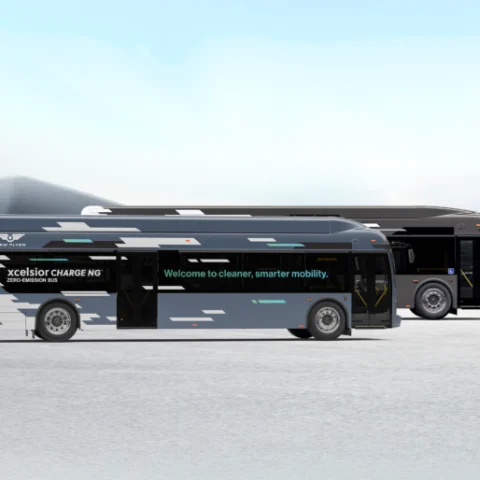
New Flyer announced that it has been awarded two new contracts from the New York City Transit Authority (NYCT). Such orders include 187 battery-electric Xcelsior CHARGE NG 12-meter buses (with 943 additional options available), and 18 articulated BEV version with 272 options available.
Including 224 diesel articulated buses (with 446 optional), it brings to 429 buses in firm order with options to purchase up to 1,661 additional buses over the next five years.
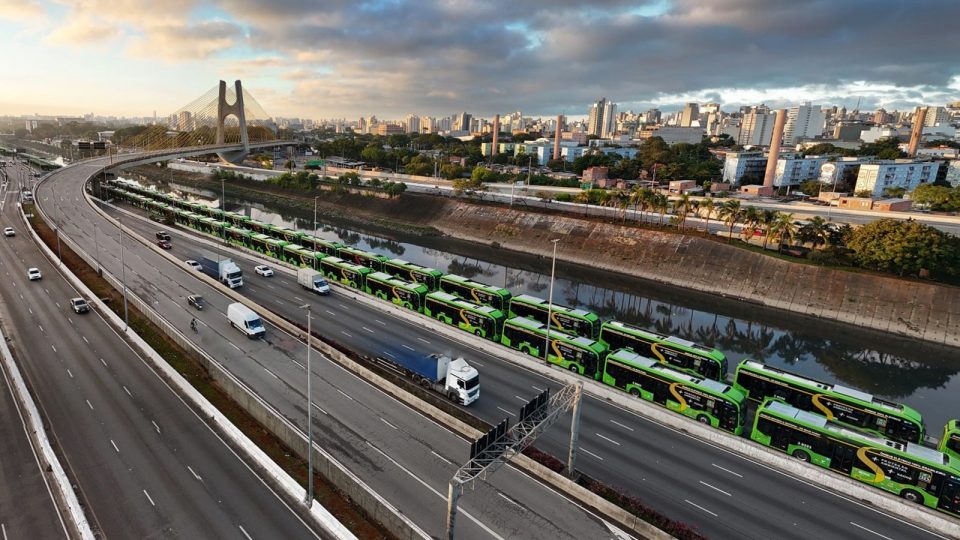
New Flyer electric buses for NYCT in New York
NYCT is part of the Metropolitan Transportation Authority (MTA), the largest transit authority in North America with an annual ridership of more than 425 million. In 2023, the MTA placed an emphasis on environmental goals, including a commitment to reduce greenhouse gas emissions by 85% between their 2015 baseline and the year 2040. The battery-electric vehicles manufactured under these contracts will support MTA’s goal of transitioning the agency’s entire bus fleet to zero-emission alternatives by 2040. NYCT’s battery-electric vehicle purchase was supported through the Federal Transit Administration (FTA) Low or No Emission (Low-No) grant program.
“Since 1996, New Flyer has delivered more than 4,500 buses to NYCT in a partnership that brings together the largest transit agency in North America and North America’s leading manufacturer of heavy-duty transit vehicles,” said Chris Stoddart, President, North American Bus and Coach, NFI. “The Xcelsior CHARGE NG integrates our latest battery-electric technology to deliver longer range and easier serviceability in addition to its environmental benefits. Our continued innovation and advancement, especially in the field of battery-electric buses, enables New Flyer to play a leading and integral role in helping NYCT as they update their fleet to ensure they maintain a high level of service while also making progress towards their future electrification goals.”