Transport for London publishes next-generation safety requirements for buses entering service up to 2033
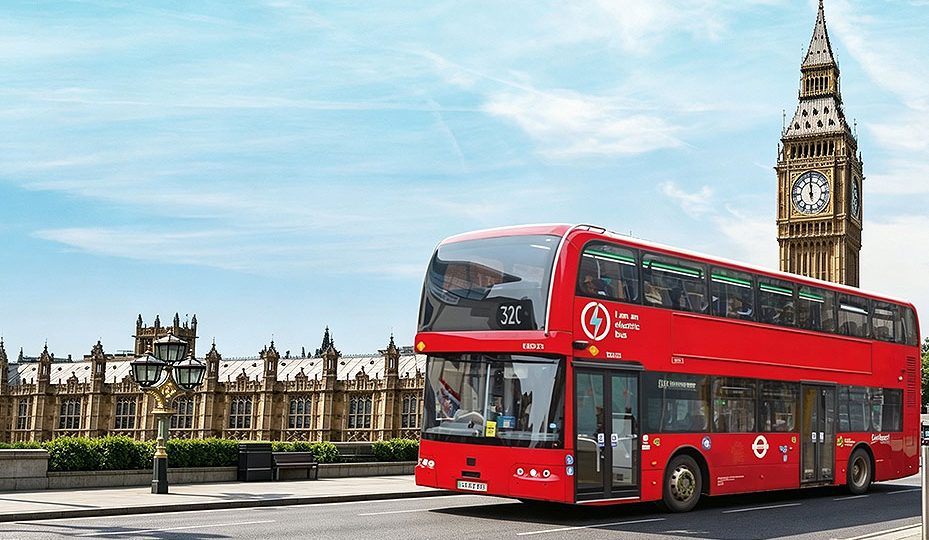
Transport for London has published the second phase of its Bus Safety Standard, defining new safety requirements for London buses entering service from 2027 up to 2033. TfL says the next-generation Bus Safety Standard sets out long-term measures for vehicle design, driver assistance, passenger protection and cab ergonomics across the capital’s bus network. The new […]
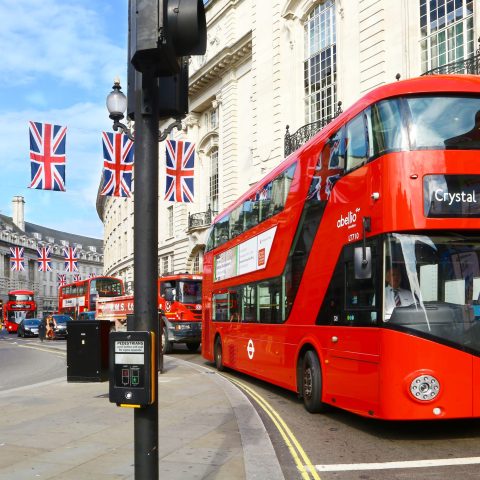
Transport for London has published the second phase of its Bus Safety Standard, defining new safety requirements for London buses entering service from 2027 up to 2033.
TfL says the next-generation Bus Safety Standard sets out long-term measures for vehicle design, driver assistance, passenger protection and cab ergonomics across the capital’s bus network. The new phase follows the first Bus Safety Standard launched in 2018 and is linked to TfL’s Vision Zero targets, including no deaths on or by a bus by 2030 and the elimination of deaths and serious injuries from the transport network by 2041.
Since the launch of the first Bus Safety Standard in 2018, TfL says several measures have become standard features on new vehicles beyond London, including in Manchester and Northern Ireland, with Hong Kong and Singapore also adopting related measures. TfL says casualty numbers on Bus Safety Standard routes fell by around 41 per cent over the analysed period, compared with around 22 per cent on control routes.
TfL Bus Safety Standard phase two for buses entering service up to 2033
The measures include changes to bus interiors intended to reduce slips, trips and falls, with improved lighting, clearer safety messaging and the introduction of tip seats, defined by TfL as seats that automatically fold upright when not in use. Tip seats will be required from 2030. Accessibility measures include improved communication between wheelchair users and drivers, including enhanced audio for ramp deployment.
TfL says new technology requirements include a Moving-Off Information System designed to intervene when a pedestrian or cyclist is immediately in front of the bus. The updated standard also includes enhancements to Advanced Emergency Braking, extending protection to turning scenarios, and acceleration suppression technology to help prevent excessive accelerator input.
Driver fatigue and distraction systems are also included in the new phase. TfL says trials have covered 400 buses, with systems providing visual, audio and touch alerts when fatigue or distraction is detected. The authority says it will activate alert systems from 5 kph, compared with 20 kph under national regulations, and will introduce improved monitoring and reporting linked to driver wellbeing.
Casualty data and first-phase Bus Safety Standard results
TfL reports that buses remain the safest way to travel on London’s roads and carry more passengers than any other public transport mode. According to TfL road casualty data, 10 people were killed in collisions involving a bus in 2025, the lowest figure since 2021. TfL also states that bus passenger injuries are at their lowest level on record, excluding 2020 during the pandemic.
Sadiq Khan, Mayor of London, said: “London’s bus network is one of the safest in the world, and I’m proud that we are making real progress in eliminating death and serious injury from the network. But we must go further and faster to eliminate this heartbreak across the capital. This new world-leading safety standard is an important part of our work towards achieving Vision Zero across the bus network. It will help protect passengers, the bus drivers who keep London moving, as well as other road users, while supporting innovation that can prevent collisions and save lives. I’d like to thank partners, manufacturers and operators for their help in developing this standard, which is vital to building a safer, fairer, better London for everyone.”
Lorna Murphy, TfL’s Director of Buses, said: “We continue to put safety at the heart of everything we do on London’s bus network and are determined to meet our Vision Zero goal of eliminating death and serious injury across all forms of transport. The launch of the second phase of the Bus Safety Standard demonstrates the strength of our collaborative approach, working closely with operators, manufacturers and partners to improve safety across every aspect of the bus and deliver a safer network for everyone – including customers on and off the bus and our hard-working drivers. We know there is more to do, and we will not stop until we achieve our Vision Zero goal.”