Wrightbus partners with Kazenmaier to offer leasing solutions for zero-emission buses in Germany
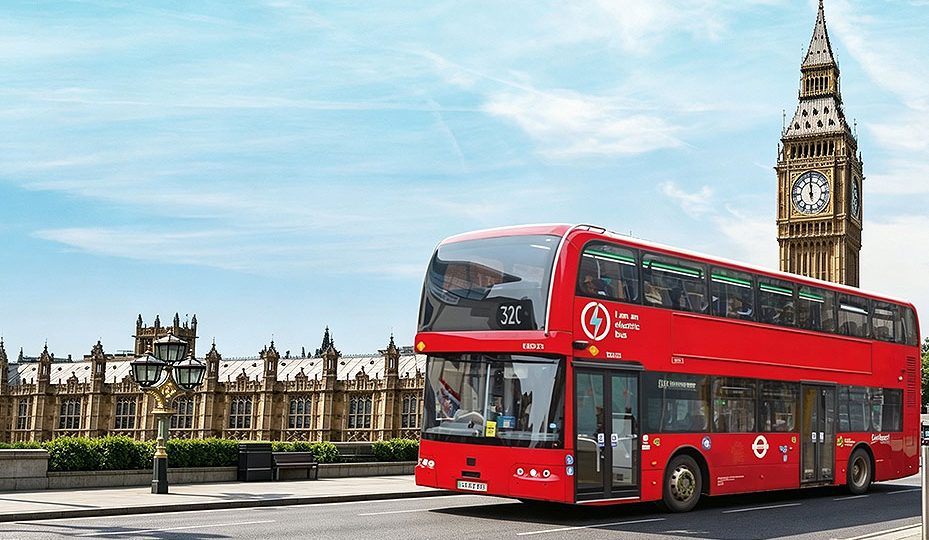
Wrightbus is strengthening its footprint in Germany through a new partnership with the leasing company Kazenmaier, aimed at simplifying the transition to zero-emission transport for operators. The goal of Wrightbus is that of expanding its network to support operators adopting clean mobility solutions. Kazenmaier, meanwhile, integrates public funding and tailored service packages into its leasing […]
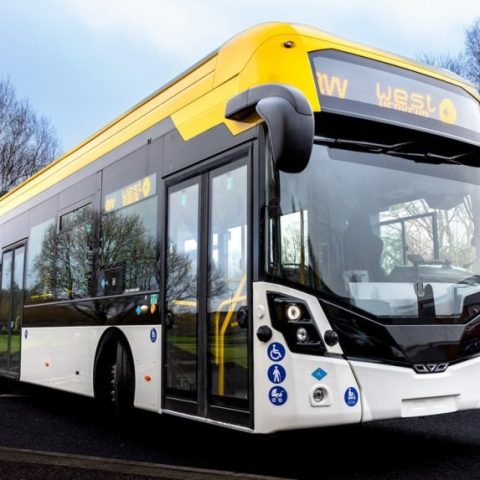
Wrightbus is strengthening its footprint in Germany through a new partnership with the leasing company Kazenmaier, aimed at simplifying the transition to zero-emission transport for operators.
The goal of Wrightbus is that of expanding its network to support operators adopting clean mobility solutions. Kazenmaier, meanwhile, integrates public funding and tailored service packages into its leasing offers, providing operators with a comprehensive framework for electrification, as Wrightbus states.
Earlier this year Wrightbus secured £150 million funding from HSBC to accelerate zero emission bus production. In early 2025 the manufacturer stated that it expects +1,200 buses produced in 2025, +20% on a record-breaking 2024.
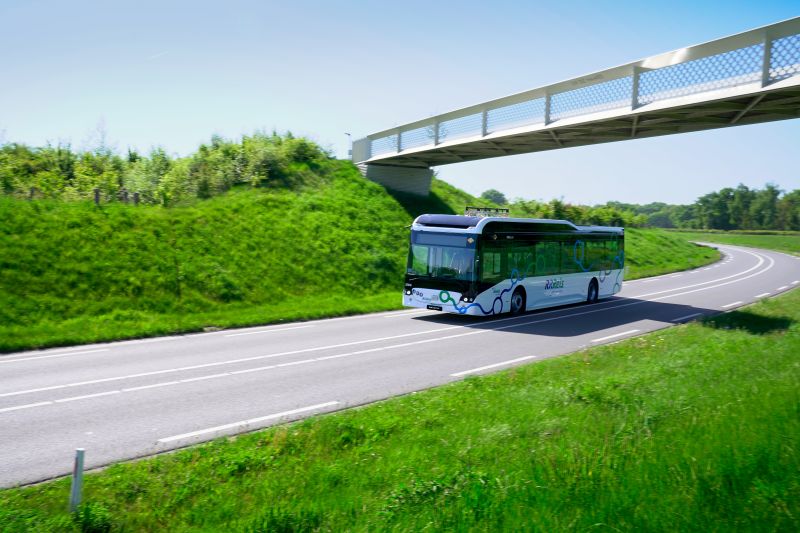
Wrightbus fuel cell buses in Germany
With hydrogen and electric fleets already in operation for Saarbahn, Cottbus, WestVerkehr, Cologne and Vestische, and a service hub in Brühl near Cologne, Wrightbus confirms Germany as a key market in its global growth strategy.
The agreement with Kazenmaier follows the company’s recent partnership with Ferronordic, focused on service and maintenance support.
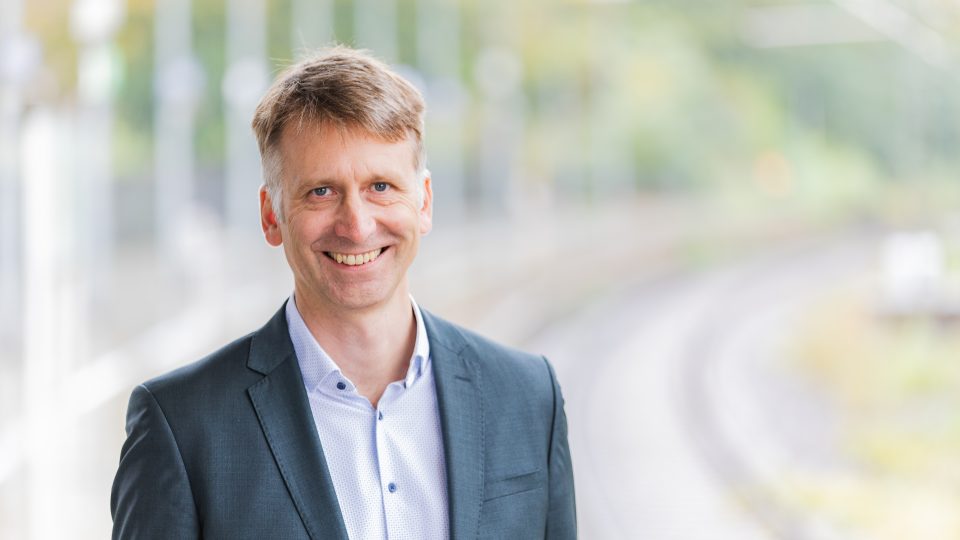
Kazenmaier CEO Max E Nastold said that “Our partnership with Wrightbus is driven by a shared goal – to truly put the public transport transition into motion,” he said. “We combine technological excellence with financial accessibility, turning sustainable mobility from a vision into reality on Germany’s roads. Together, we’re shaping the mobility transition – reliably, ambitiously, and with a passion for progress.”
Wrightbus CEO Jean-Marc Gales comments: “Wrightbus has a compelling offering for the German market, and we already have fleets of hydrogen and electric buses in operation, matched with on-site service and country-wide fleet support. Now we have added further value by partnering with Kazenmaier to ensure operators can take advantage of competitive leasing solutions to help them make the switch to zero-emission technology. Wrightbus make the best buses on the market but we want to make sure we offer the best packages of service and support alongside.”