Melbourne to get a new e-bus depot for over 130 vehicles under Zenobē–ComfortDelGro partnership
Zenobē and ComfortDelGro Australia (CDC) have announced a partnership to electrify the Truganina bus depot in Melbourne’s western suburbs, with charging infrastructure designed to accommodate more than 130 electric buses. The project, announced on 13 October 2026, forms part of CDC Victoria’s delivery of the Victorian Government’s Metropolitan Zero Emission Bus (ZEB) Franchises, following the […]
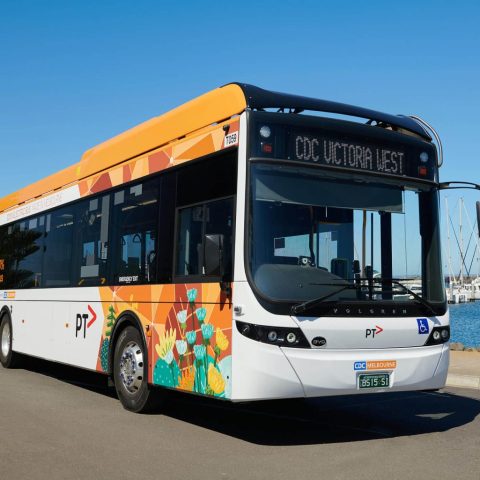
Zenobē and ComfortDelGro Australia (CDC) have announced a partnership to electrify the Truganina bus depot in Melbourne’s western suburbs, with charging infrastructure designed to accommodate more than 130 electric buses.
The project, announced on 13 October 2026, forms part of CDC Victoria’s delivery of the Victorian Government’s Metropolitan Zero Emission Bus (ZEB) Franchises, following the award of three franchises to the operator in 2024. According to the companies, the facility will support the introduction of the first electric bus fleet serving Melbourne’s western growth corridor.
The depot electrification programme includes the installation of 65 dual-lead DC chargers, with provision for a further 20 charging points, alongside the associated civil and electrical infrastructure. The companies have not disclosed the investment value, the charging power of the individual units or a completion date for the project.
Melbourne’s bus fleet electrification programme also includes infrastructure projects developed by operator Kinetic. At its Sunshine West depot, Kinetic has expanded charging infrastructure for zero-emission buses, while its Preston depot has been equipped with an overhead gantry charging system. ComfortDelGro’s fleet renewal activities in Melbourne also predate the current electric bus programme: in 2021, CDC Victoria began receiving 50 hybrid buses, with the full fleet scheduled for deployment by 2022.
Zenobē to install 65 dual-lead DC chargers at Truganina depot
Zenobē is responsible for designing and delivering the charging infrastructure at CDC Victoria’s Truganina facility.
The scope of work includes power and charging modelling, the design of the grid connection and the installation of charging equipment. According to Zenobē, the electrical infrastructure has been dimensioned to accommodate the depot’s current operating requirements and future fleet expansion.
Once completed, the facility will be capable of supporting more than 130 battery-electric buses, with additional charging capacity envisaged for subsequent fleet growth.
The project is being developed under CDC Victoria’s Metropolitan Zero Emission Bus franchise commitments. The operator secured three franchises in 2024 and is progressively introducing zero-emission vehicles into its Melbourne operations.
The Truganina electrification programme also extends an existing commercial relationship between Zenobē and the ComfortDelGro group.
In the United Kingdom, Zenobē has worked with ComfortDelGro subsidiary Metroline on the electrification of its London bus operations. According to the companies, the partnership has delivered more than 450 charging points across five depots, with further installations scheduled for 2027.
ComfortDelGro electric bus deployment in Melbourne’s western corridor
The Truganina project forms part of CDC Victoria’s programme to introduce electric buses across Melbourne’s western suburbs.
The operator has an established presence in the area and has previously introduced hybrid buses into its fleet. The new depot infrastructure will accommodate the transition to battery-electric vehicles under the metropolitan franchise arrangements.
The electrification programme is accompanied by changes to the local bus network. According to ComfortDelGro, services in Melbourne’s west have been expanded by 470 additional weekly trips across routes 170, 180, 190 and 192, including increased frequencies and extended operating hours.
The operator states that electric buses will be progressively introduced on these routes, although the announcement does not specify the number of vehicles allocated to individual services or their deployment timetable.
The project is part of Victoria’s Metropolitan Zero-Emission Bus Program, which includes the government’s objective of transitioning the state’s public bus fleet to zero-emission operation by 2035.
In brief
- How many electric buses will the Truganina depot accommodate? More than 130 electric buses, with capacity for future expansion.
- How many chargers will Zenobē install? 65 dual-lead DC chargers, with provision for 20 additional charging points.
- Who operates the Truganina depot? CDC Victoria, a subsidiary of ComfortDelGro Australia.
- What is Victoria’s zero-emission bus target? The state aims to transition its public bus fleet to zero-emission operation by 2035.
CDC Victoria CEO Jeff Wilson said: “As a long-time operator in Melbourne’s west, we’re delighted to deliver greener, more sustainable public transport for customers and communities in this region. The electrification of our Truganina depot is a significant milestone that will support the rollout of electric buses, providing customers with cleaner, quieter and more sustainable journeys. We’re also delighted to be working with Zenobē on this key project. Their global expertise in delivering fleet electrification, including their work with our sister company Metroline in the UK, will help accelerate our transition to a zero-emission fleet and support the delivery of Melbourne’s sustainable transport future.”
Zenobē Australia New Zealand Country Director Gareth Ridge said: “Electrifying a bus depot at this scale is not simply a charging project, it is an infrastructure and operational feat. Truganina has been designed around both how CDC’s fleet will operate today and how it will grow over time, ensuring the power and charging infrastructure can support the transition to zero-emission buses at scale. Zenobē has already delivered this kind of infrastructure alongside Metroline in the UK, and we’re excited to bring that experience to Melbourne. Together with CDC, we’re putting the infrastructure in place to make zero-emission public transport a reality for communities across Melbourne’s west.”