Latest articles

Why do fuel cell buses also have a battery? [The Hydrogen Hub #2]

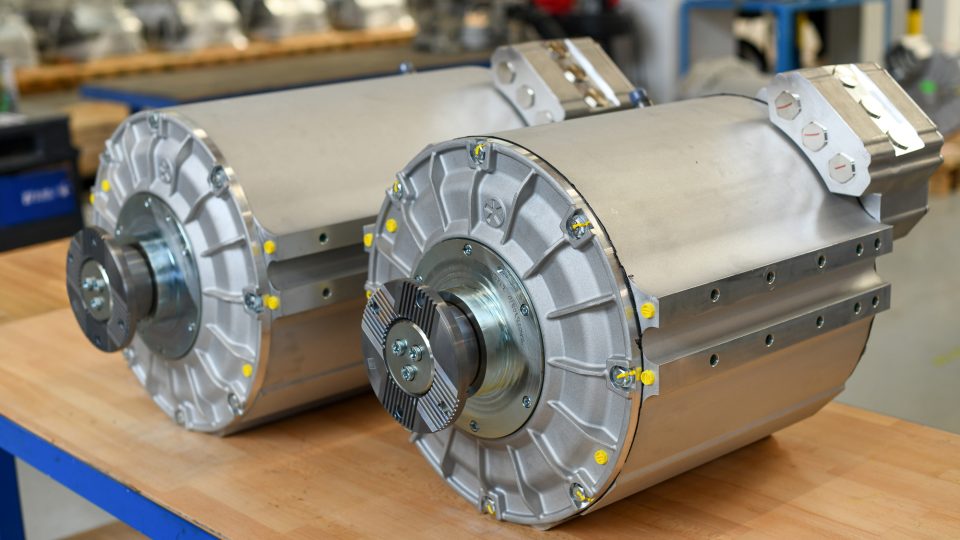
Below, a contribution from EMCEL, a German-based engineering company focusing on hydrogen, fuel cells and e-mobility.It’s the second of a series of articles on topics around hydrogen economy and applications.Feedbacks, questions and contributions are welcome (at info@sustainable-bus.c...

Where will hydrogen come from in the future? [The Hydrogen Hub #1]

Below, a contribution from EMCEL, a German-based engineering company focusing on hydrogen, fuel cells and e-mobility. It’s the first of a series of articles on topics around hydrogen economy and applications. Feedbacks, questions and contributions are welcome (at info@sustainable-bus.com) Hydr...

Highlights

The bus industry’s smartphone moment

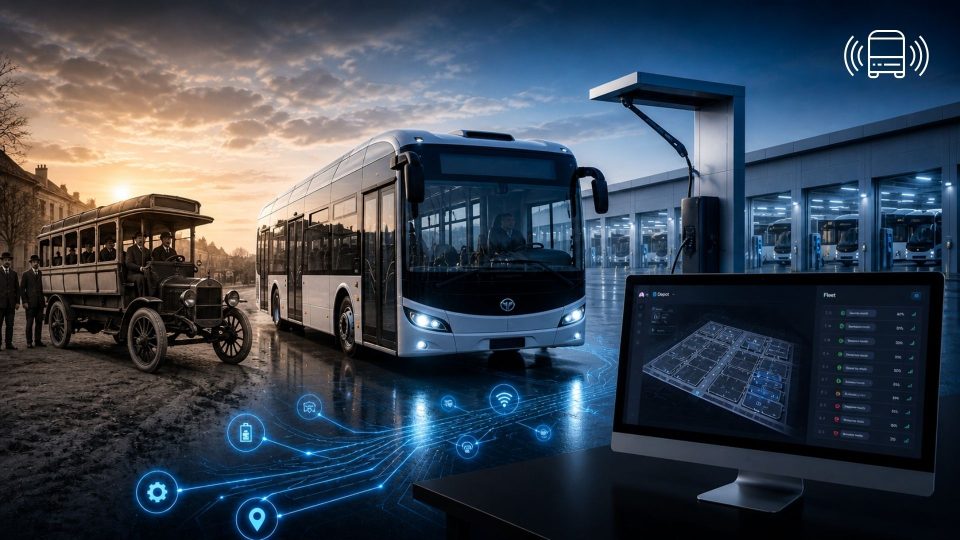
On 18 March 1895, at 6:25 in the morning, the world’s first motor bus line opened between Siegen, Netphen and Deuz. The vehicle was a Benz Landauer. It had eight seats, a one-cylinder engine of five horsepower, and fifteen kilometres of bad road ahead of it. On the steepest hill, the passengers had ...

hydrogen hub

Why do fuel cell buses also have a battery? [The Hydrogen Hub #2]

Below, a contribution from EMCEL, a German-based engineering company focusing on hydrogen, fuel cells and e-mobility.It’s the second of a series of articles on topics around hydrogen economy and applications.Feedbacks, questions and contributions are welcome (at info@sustainable-bus.c...

Where will hydrogen come from in the future? [The Hydrogen Hub #1]

Below, a contribution from EMCEL, a German-based engineering company focusing on hydrogen, fuel cells and e-mobility. It’s the first of a series of articles on topics around hydrogen economy and applications. Feedbacks, questions and contributions are welcome (at info@sustainable-bus.com) Hydr...