Ikarus and Yutong secure Budapest trolleybus contract for 160 vehicles
Budapest’s transport authority BKK has concluded its long-running tender for new trolleybuses, awarding the contract to Electrobus Europe Zrt., the distributor of Ikarus electric buses, in partnership with Chinese manufacturer Yutong. The joint venture has presented the most competitive bid, as known since March. As reported by local trade media Magyarbusz.info, the framework agreement covers […]
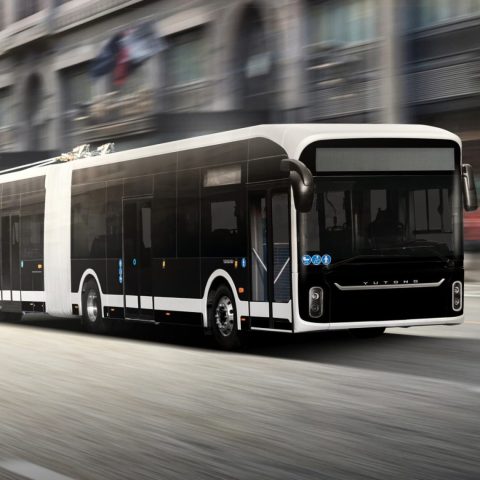
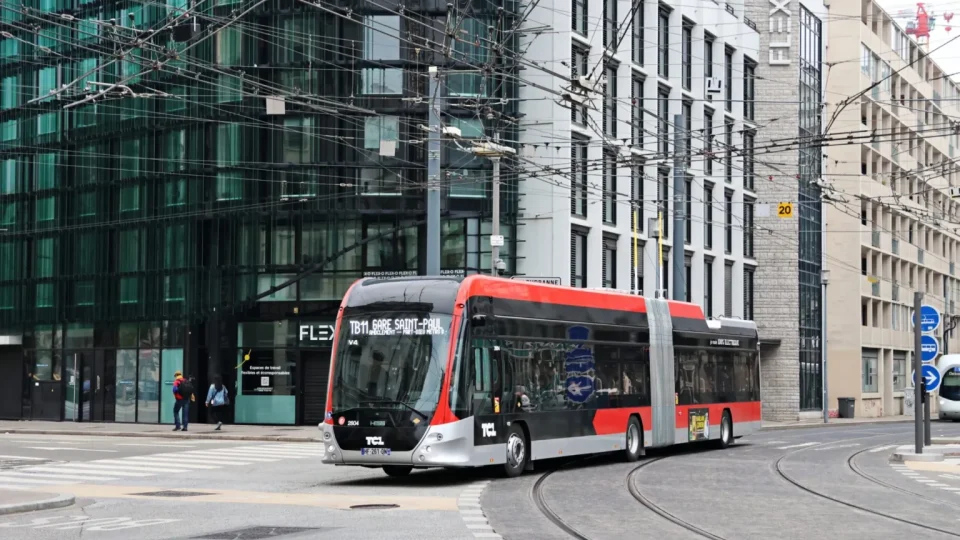
Budapest’s transport authority BKK has concluded its long-running tender for new trolleybuses, awarding the contract to Electrobus Europe Zrt., the distributor of Ikarus electric buses, in partnership with Chinese manufacturer Yutong. The joint venture has presented the most competitive bid, as known since March. As reported by local trade media Magyarbusz.info, the framework agreement covers up to 160 vehicles equipped with on-board batteries for off-wire operation.
Although the award has been announced, the outcome will only become definitive once the contract standstill period ends on September 5. In addition, Magyarbusz.info notes that financing has yet to be secured, raising questions about the timing of deliveries. Even in the case of contract execution, the framework guarantees the procurement of only 40 vehicles in the first phase—16 solo and 24 articulated—while the remainder would depend on further decisions by the contracting authority.
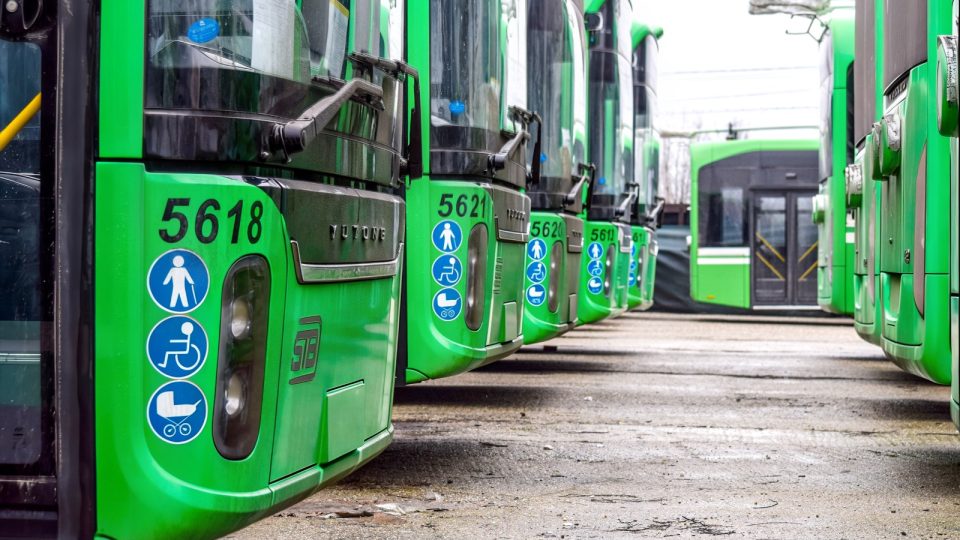
What is interesting, the vehicles proposed for Budapest are based on Yutong’s U12 and U18 electric bus platforms.
160 trolleybuses coming to Budapest
The negotiated procedure lasted around eighteen months and initially attracted four bidders. By the final stage, only three remained, after Škoda withdrew and Solaris’s offer was excluded from the final evaluation despite being formally compliant. According to Magyarbusz.info, the decisive competition came down to the Hungarian–Chinese consortium and Turkish builder Bozankaya, which partnered with Ganz Tram Járműipari Kft. of Szeged.
Electrobus Europe and Yutong secured the award by offering what was deemed the most economically advantageous proposal. Their pricing stood at €451,500 per solo trolleybus and €649,500 for articulated units, complemented by a package that included spare parts, maintenance, training, and an extended 36-month warranty. Importantly, the consortium also guaranteed a 25-kilometre battery range, well above the 15-kilometre minimum specified in the tender. Bozankaya, while matching the warranty period and range, proposed vehicle prices of €569,000 and €729,000 respectively, a difference that outweighed the lower costs it quoted for supplementary services. In the final scoring, reported Magyarbusz.info, Electrobus Europe–Yutong achieved 961.72 points compared with Bozankaya’s 889.56.
The other major competitor, Solaris, had priced its Trollino series significantly higher at €799,000 for solo and €973,000 for articulated units. The bid was further weakened by the absence of additional warranty and by limiting battery autonomy to the 15-kilometre threshold.