Riga set to order up to 100 new trolleybuses
The city of Riga, capital of Latvia, is preparing to take another significant step in the long-term modernization of its trolleybus system. The city’s public transport operator, Rīgas Satiksme, has launched the preparatory phase for the procurement of up to 100 battery-equipped trolleybuses as part of a multi-year fleet renewal program running through 2030. Deliveries […]
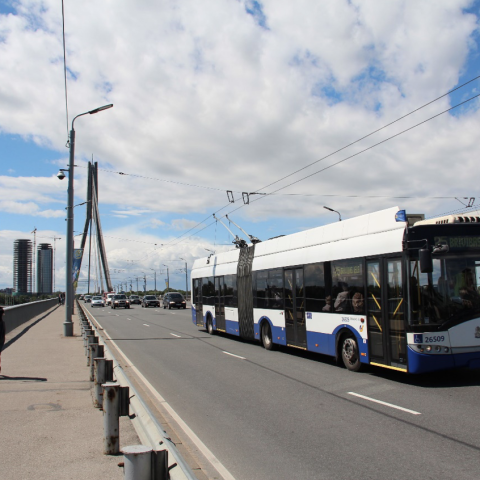
The city of Riga, capital of Latvia, is preparing to take another significant step in the long-term modernization of its trolleybus system. The city’s public transport operator, Rīgas Satiksme, has launched the preparatory phase for the procurement of up to 100 battery-equipped trolleybuses as part of a multi-year fleet renewal program running through 2030. Deliveries are expected between 2027 and 2029, with the first tender scheduled to be issued by mid-2026.
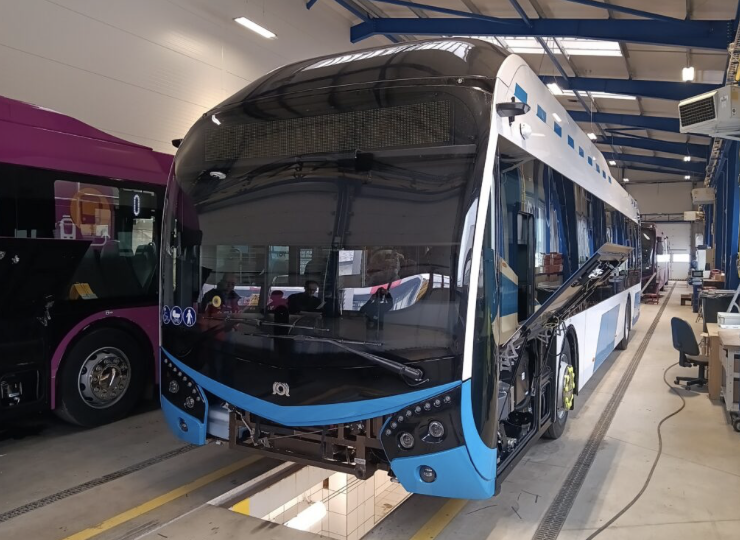
The planned order is expected to include 12-meter and 18-meter vehicles, and potentially also 24-meter bi-articulated trolleybuses. All units will be equipped with traction batteries enabling off-wire operation.
The objective goes beyond simple fleet replacement: the new trolleybuses are expected to cover at least 20 kilometers without overhead wires, while remaining fully compatible with Riga’s extensive existing trolleybus infrastructure. The plan is both to expand and partially replace the current fleet of 230 trolleybuses, many of which are still equipped with diesel auxiliary generators and were largely delivered between 2004 and 2009.
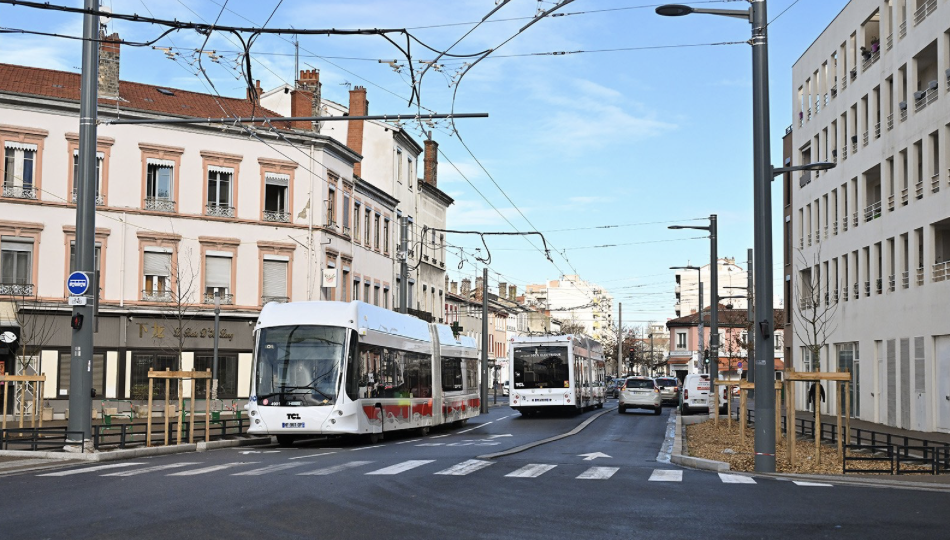
Riga’s trolleybus network is extensive, comprising 22 lines, operating alongside 7 tram lines and around 50 bus routes.
According to available information, the city is preparing the tender through a preliminary market consultation, engaging potential suppliers at an early stage on topics such as maintenance concepts, spare parts availability and lifecycle costs. Although the current phase does not yet constitute a final order, it sends a clear signal: Riga continues to view the trolleybus as a key component of its urban public transport system—now enhanced by battery-powered off-wire capability to increase operational flexibility and resilience.
by Stefano Alfano