Traktionssysteme Austria opens €9.5 million punching center, with annual capacity of 5 million sheets planned for 2027
Traktionssysteme Austria (TSA) has opened a new €9.5 million punching and sheet metal processing facility at its Wiener Neudorf site in Austria, with plans to increase in-house production of electrical steel sheets from the current 20–25% to 100% of its requirements. The new facility, named Werk 3a, was officially inaugurated on 15 October 2026, approximately […]
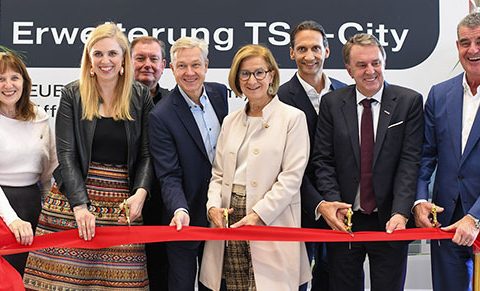
Traktionssysteme Austria (TSA) has opened a new €9.5 million punching and sheet metal processing facility at its Wiener Neudorf site in Austria, with plans to increase in-house production of electrical steel sheets from the current 20–25% to 100% of its requirements.
The new facility, named Werk 3a, was officially inaugurated on 15 October 2026, approximately one year after the groundbreaking ceremony. According to TSA, the investment forms part of the company’s long-term industrial development programme, known as TSA City, covering the expansion and modernisation of its Wiener Neudorf manufacturing operations.
The opening ceremony was attended by Lower Austria Governor Johanna Mikl-Leitner, Wolfgang Ecker, President of the Economic Chamber of Lower Austria, and representatives of regional institutions and industry.
The opening of Werk 3a follows the announcement of TSA’s new punching center project in Wiener Neudorf, part of the company’s industrial expansion programme. TSA has also invested in workforce development at the Austrian site, including the opening of a new apprenticeship training center. On the product development side, the manufacturer has expanded its traction motor portfolio with the HD.T3 motor, presented at InnoTrans, targeting applications in the international rail market.
TSA to increase electrical steel sheet production
The new punching center consolidates punching, forming and sheet metal processing operations within a single production facility.
According to Traktionssysteme Austria, the company currently manufactures approximately 20–25% of its electrical steel sheet requirements internally. The commissioning of Werk 3a is intended to progressively bring the entire production volume in-house.
In brief
- How much has TSA invested in the new facility? Approximately €9.5 million.
- Where is the new punching center located? At TSA’s Wiener Neudorf production site in Austria.
- What is the planned annual production capacity? Five million electrical steel sheets following installation of a second punching machine in 2027.
- How much electrical steel sheet production will be brought in-house? TSA plans to increase internal production from 20–25% to its entire requirement.
The company plans to install a second punching machine in 2027, bringing the facility’s planned annual output to five million electrical steel sheets.
The new manufacturing setup will also consolidate material handling and production flows at Wiener Neudorf. TSA identifies greater vertical integration, manufacturing flexibility and internal control of production processes among the objectives of the investment.

€9.5 million investment under TSA City industrial development programme
The €9.5 million investment represents a further stage in the development of TSA City, the company’s long-term programme for its Wiener Neudorf production site.
The new Werk 3a facility brings a manufacturing process previously carried out predominantly outside the company into TSA’s own production operations.
According to TSA, the new production setup will also reduce transport requirements by approximately 200,000 truck-kilometres annually, corresponding to an estimated reduction of 200 tonnes of CO₂ per year. The facility is equipped with a rooftop photovoltaic system and modern heat pumps, while its manufacturing equipment focuses on automation, precision and energy-efficient production. The punching center is scheduled to begin production in the fourth quarter of 2026.
The investment is part of the broader TSA City development programme, which envisages the progressive expansion of the Wiener Neudorf site into an integrated industrial complex comprising four production halls. Under the programme, TSA expects its workforce to increase from approximately 450 employees to 550 by 2030, representing growth of around 22%. The new punching center has also been designed to accommodate subsequent production expansions.
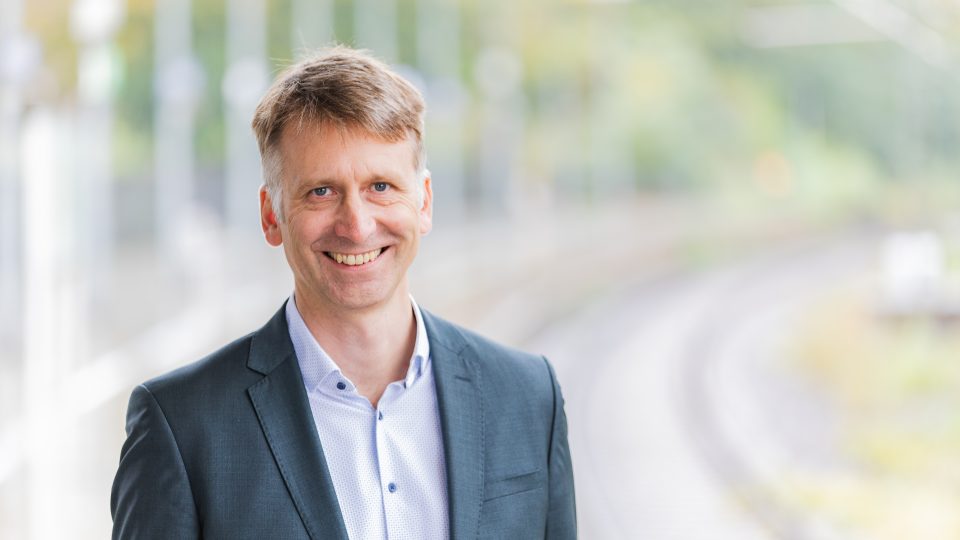
Robert Tencl, CEO of Traktionssysteme Austria, said: “Werk 3a represents a path we have been pursuing for many years: continuous investment in technology, know-how and our location. The new facility creates space for modern manufacturing. The machines offer new possibilities. And the people at TSA make sure that these ultimately result in high-performance products for international mobility.”