Electric bus procurement included in California’s latest $988.7 million transport funding round
California has approved new funding for electric bus procurement as part of a broader $988.7 million transportation investment package. The California Transportation Commission has indeed allocated $17 million for the purchase of 20 electric buses for the city of Glendale (Los Angeles county), according to a press release issued by the commission. The allocation forms […]
California has approved new funding for electric bus procurement as part of a broader $988.7 million transportation investment package.
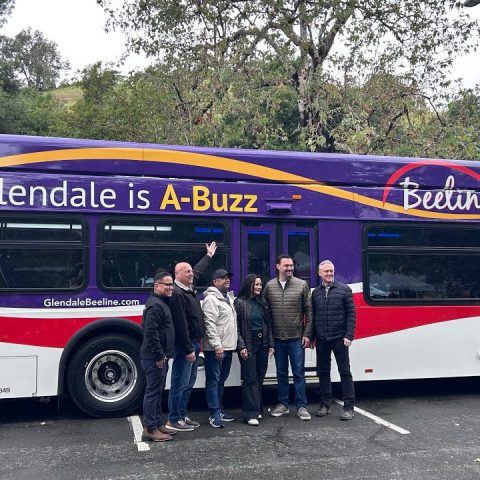
The California Transportation Commission has indeed allocated $17 million for the purchase of 20 electric buses for the city of Glendale (Los Angeles county), according to a press release issued by the commission. The allocation forms part of a statewide funding decision covering highways, transit infrastructure and active mobility, approved in early February by the California Transportation Commission.
California’s Innovative Clean Transit regulation, approved in late 2019, requires public transit agencies throughout the state to commit to buying only zero-emission buses (battery electric or fuel cell) starting in 2029. A move that makes particularly sense, given the fact that California is the US leader in electricity generation from non-hydroelectric renewable energy source (geothermal, wind, solar).
Electric buses within the latest CTC allocation
The electric bus funding approved for Glendale is included in a wider set of transit-related investments, which also comprises $60 million for the rehabilitation of Union Station in Los Angeles and $21 million for the acquisition of eight new light rail vehicles for Sacramento Regional Transit. The commission’s press release details that the overall package combines federal and state resources, including funding from the Infrastructure Investment and Jobs Act and California’s Senate Bill 1.
The latest decision follows other recent transport funding actions in the state, including the allocation of resources to zero-emission and transit projects reported two weeks ago, when California approved funding for 143 transit initiatives, several of which included electric bus and fleet electrification components.
According to the California Transportation Commission, the approved projects span multiple regions and transport modes, with electric bus procurement included among the measures supporting public transport services across the state.
“Creating a brighter future in the Golden State is about addressing big challenges with meaningful investments like those made today. This level of support funds wide-ranging transportation upgrades that provide the backbone of California’s vibrant economy by improving goods movement, expanding transit and rail systems and making our system more bikeable and walkable. These benefits will be experienced by every region, including disadvantaged communities throughout the state.” says California Transportation Secretary Toks Omishakin.
“The long-term investments allocated today will power our ongoing effort to provide the safest, most accessible transportation system possible for all users, while continuing to serve as responsible stewards of California’s environment. From new sidewalks and bicycle lanes to bridge repairs and highway reconditioning, we are improving our transportation system for the benefit of all Californians and creating thousands of jobs in the process.” adds Caltrans Director Dina El-Tawansy.
“Today’s investments will improve the safety, mobility, and economic prosperity of all Californians, especially those in rural communities. These infrastructure improvements will better connect working families to jobs, schools, essential services, and recreational activities while simultaneously reducing out-of-pocket transportation costs. Thank you to all our partner agencies for their help in delivering these projects across California.” states California Transportation Commission Chair Darnell Grisby.