Canada, STM takes delivery of inaugural Nova Bus e-bus in Montréal, with 147 units due by 2028
The Société de transport de Montréal (STM) has received the first Nova Bus LFSe+ battery-electric bus from an order of 147 vehicles scheduled for delivery through 2028. The vehicle marks the beginning of a new delivery programme that will gradually increase the share of electric buses within Montréal’s transit fleet. According to STM, ten additional […]
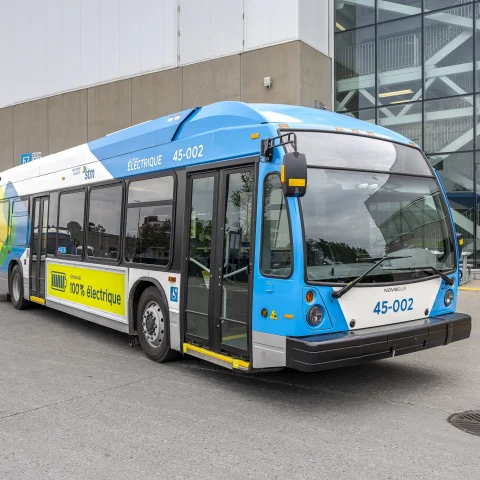
The Société de transport de Montréal (STM) has received the first Nova Bus LFSe+ battery-electric bus from an order of 147 vehicles scheduled for delivery through 2028.
The vehicle marks the beginning of a new delivery programme that will gradually increase the share of electric buses within Montréal’s transit fleet. According to STM, ten additional LFSe+ buses are expected to arrive in the coming months, while the remainder of the order will be delivered over the next three years.
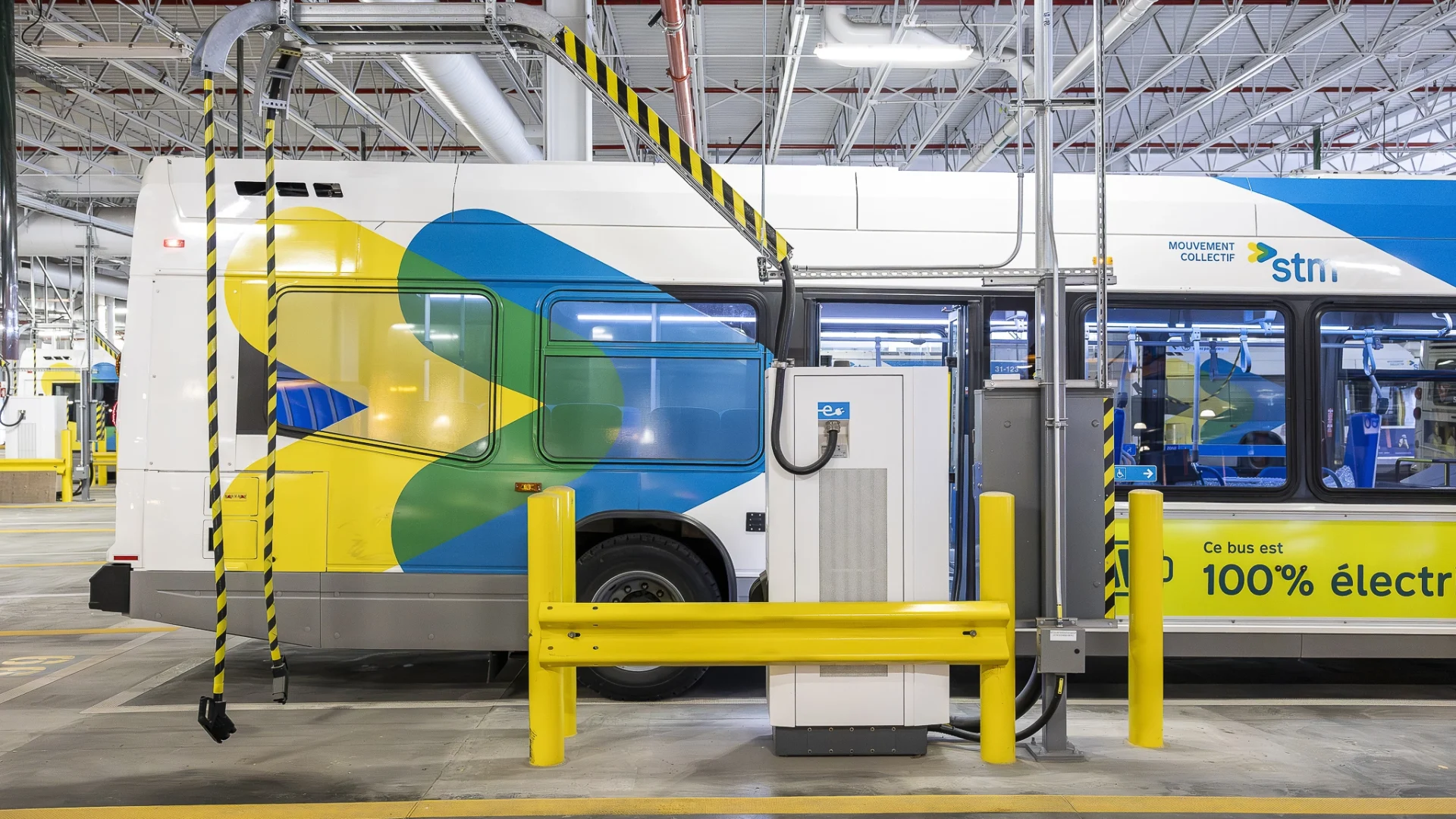
First LFSe+ electric bus enters testing phase in Montréal
Before entering passenger service, the bus will undergo a testing period of approximately four weeks. During this phase, STM teams will assess the performance of the vehicle and its components while it operates without passengers. The testing period may be extended if additional validation is required.
Although not yet in service, the vehicle will be visible on Montréal streets as part of the evaluation programme.
STM stated that it is currently reassessing the pace of its bus fleet electrification strategy in light of financial constraints.
In February 2026, Québec’s Ministère des Transports et de la Mobilité durable authorized public transport agencies to once again procure hybrid buses and committed to revising provincial electrification targets. STM states that a combination of hybrid and battery-electric buses represents a proven approach during the transition phase toward a fully electric fleet, combining operational reliability with more stable operating costs.
Once all 147 LFSe+ buses have been delivered, electric vehicles will account for approximately 10% of the STM bus fleet.
Nova Bus LFSe+ specifications and passenger features
The new LFSe+ model introduces several design updates compared with previous generations of electric buses operated by STM.
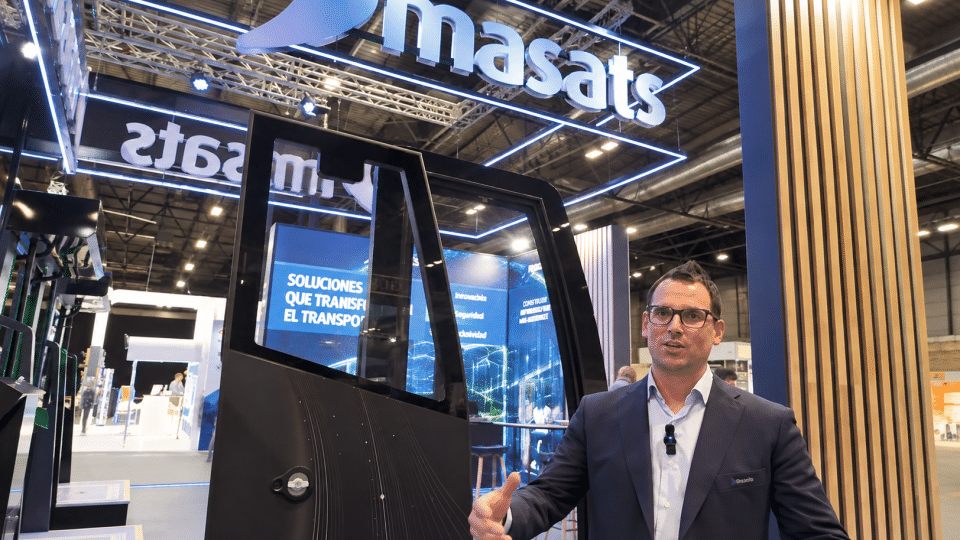
Among the most notable additions is a driver’s compartment equipped with an anti-assault door featuring a glazed upper section and a reinforced metal lower structure.
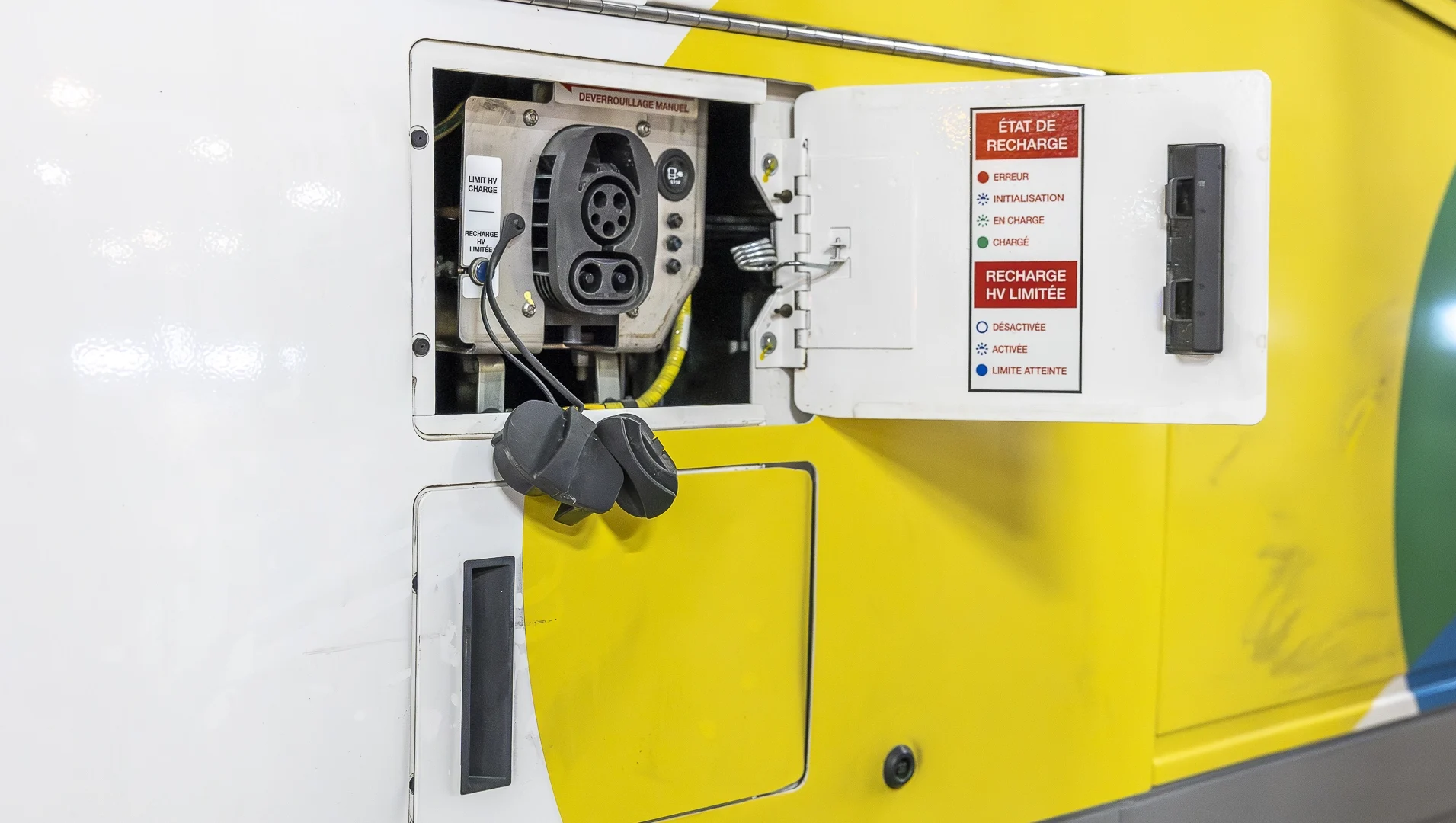
The bus is equipped with six battery packs providing an average operating range of approximately 300 kilometres, STM states. The electric powertrain includes a pedestrian warning sound system designed to improve safety in urban environments.
Other features include improved lighting around passenger doors, a revised interior layout, an audible signal at front-door opening for visually impaired passengers, and an upgraded heating and air-conditioning system with centrally distributed ventilation.
The vehicle offers seating for 28 passengers, including 21 fixed seats and seven fold-down seats.
The acquisition of the LFSe+ buses is supported by funding from the Government of Québec through the Public Transit Infrastructure Funding Program.
Éric Alan Caldwell, Chair of the STM Board of Directors, stated: “The arrival of this first LFSe+ bus represents an important step in the renewal of our fleet and in the gradual electrification of our bus network.”
In brief
- How many LFSe+ buses has STM ordered? STM has ordered 147 Nova Bus LFSe+ battery-electric buses, with deliveries continuing through 2028.
- When will the first bus enter service? The vehicle will first undergo approximately four weeks of testing before carrying passengers.
- What range does the LFSe+ offer? STM states that the bus is equipped with six batteries providing an average range of around 300 km.
- What share of STM’s fleet will be electric after deliveries are completed? Electric buses are expected to represent approximately 10% of the operator’s fleet once all 147 vehicles are delivered.