Why MENA region matters for public transport: UITP’s Hashem Alhendawi highlights strategic, financial and mindset shifts
As the UITP Global Public Transport Summit 2026 was initially scheduled to take place in Dubai from 21 to 23 April, the Middle East and North Africa region was preparing to be positioned at the centre of the global public transport agenda. Large-scale network expansions, accelerated fleet electrification, evolving funding models and a growing focus […]
As the UITP Global Public Transport Summit 2026 was initially scheduled to take place in Dubai from 21 to 23 April, the Middle East and North Africa region was preparing to be positioned at the centre of the global public transport agenda. Large-scale network expansions, accelerated fleet electrification, evolving funding models and a growing focus on passenger-centric system integration continue to shape mobility strategies across cities from the Gulf to North Africa.
This interview with Hashem Alhendawi, Head of MENA at UITP, was conducted and first published in the February 2026 issue of Sustainable Bus magazine, ahead of the planned Summit. Following the subsequent cancellation of the event due to geopolitical developments in the Gulf region, an additional question has been included to address how international dialogue in public transport across MENA will continue.
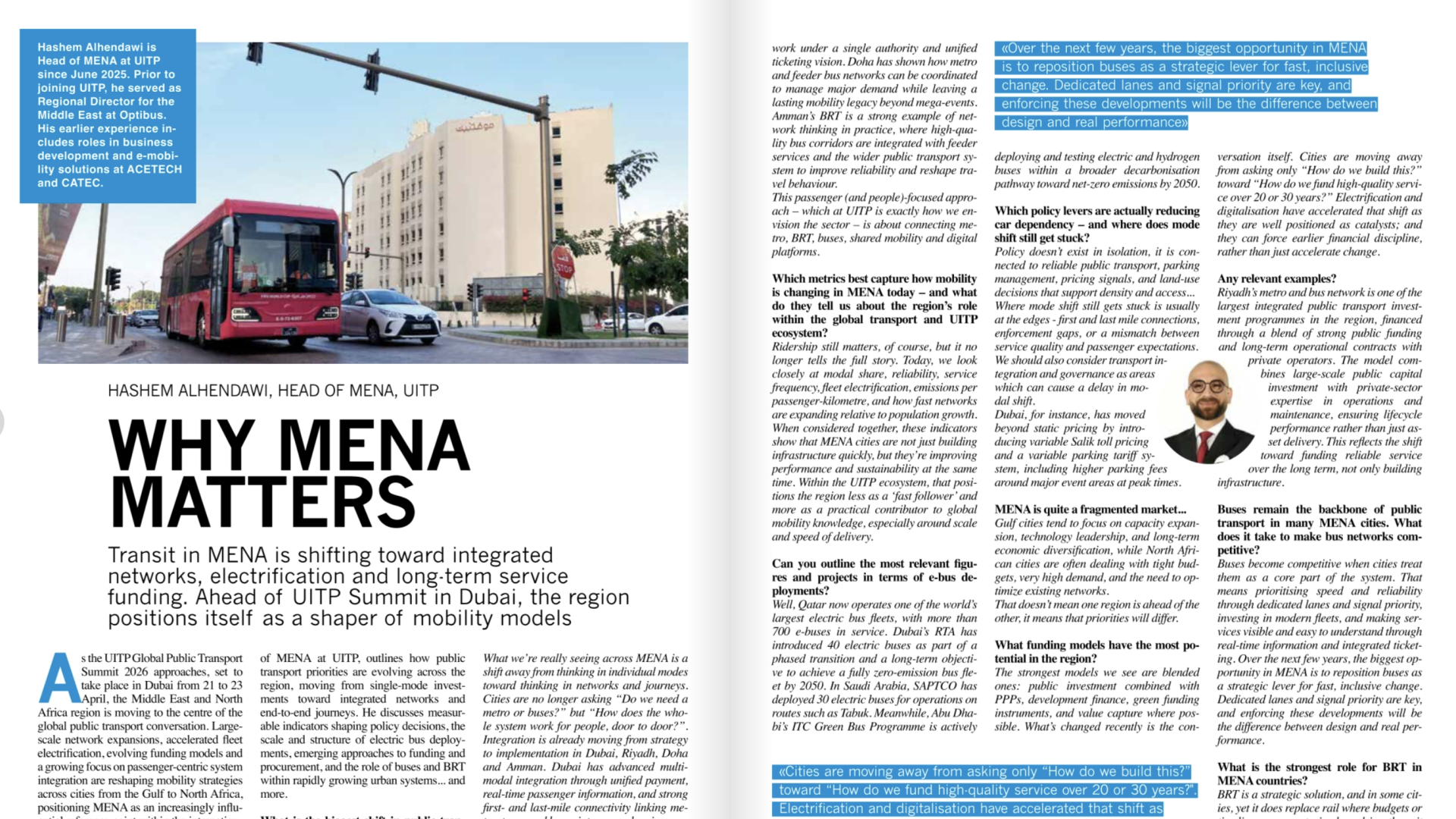
In the following exchange, Alhendawi outlines how public transport priorities are evolving across the region, moving from single-mode investments toward integrated networks and end-to-end journeys, while also addressing the continuity of regional and global cooperation in the absence of the Summit.
With the UITP Summit 2026 in Dubai no longer taking place, what are the next steps for maintaining international dialogue in the region? What alternative formats or initiatives are being considered to maintain continuity in regional and global dialogue?
Cancelling the Summit was certainly not an easy decision, but it was the responsible one, guided by our people-first approach and duty of care to delegates, members, and staff. It is important to emphasise that international dialogue in public transport does not depend on a single event, it is continuous and built on long-term partnerships and ongoing collaboration.
UITP MENA remains fully committed to supporting engagement across the region and globally, and we are working closely with our members and stakeholders to ensure that conversations, knowledge exchange, and cooperation continue without interruption.
The MENA region continues to play an important role in the global mobility landscape, and maintaining strong international connections is essential.
Over the next few years, the biggest opportunity in MENA is to reposition buses as a strategic lever for fast, inclusive change. Dedicated lanes and signal priority are key, and enforcing these developments will be the difference between design and real performance.
Hashem Alhendawi, Head of MENA, UITP
Hashem Alhendawi: transit shift in MENA region
What is the biggest shift in public transport across MENA right now – and what is driving it most?
What we’re really seeing across MENA is a shift away from thinking in individual modes toward thinking in networks and journeys. Cities are no longer asking “Do we need a metro or buses?” but “How does the whole system work for people, door to door?”. Good examples can be seen in Dubai, Riyadh, Doha, and Amman, where integration is already moving from strategy to implementation.
Dubai has advanced multimodal integration through unified payment, real-time passenger information, and strong first- and last-mile connectivity linking metro, tram, and buses into a seamless journey. Riyadh is building toward full integration with its new metro and redesigned bus network under a single authority and unified ticketing vision. Doha has shown how metro and feeder bus networks can be coordinated to manage major demand while leaving a lasting mobility legacy beyond mega-events.
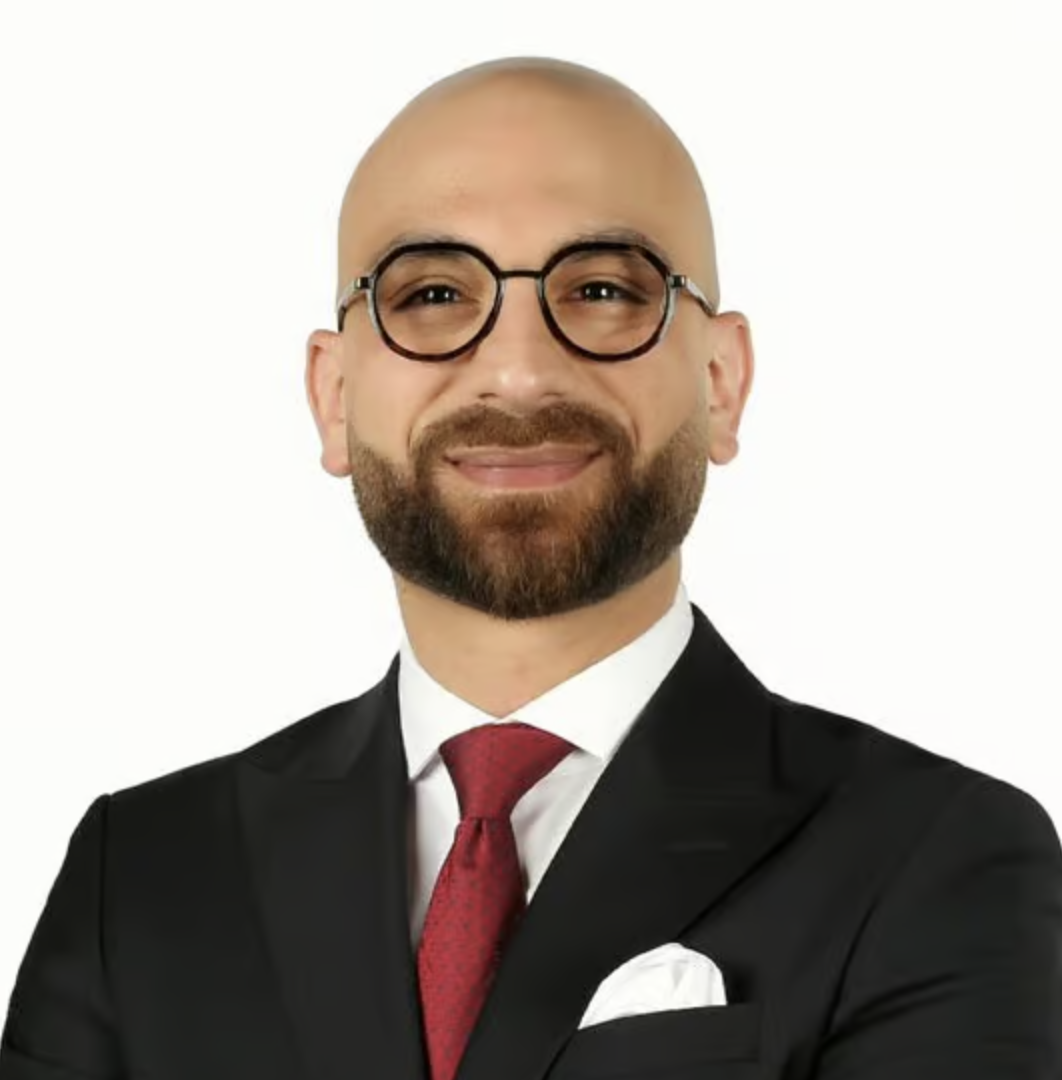
Amman’s BRT is a strong example of network thinking in practice, where high-quality bus corridors are integrated with feeder services and the wider public transport system to improve reliability and reshape travel behaviour.
This passenger (and people)-focused approach – which at UITP is exactly how we envision the sector – is about connecting metro, BRT, buses, shared mobility and digital platforms.
This passenger-centric focus is driven by fast urban growth, climate commitments, and a very clear reality: public transport has to be a genuine alternative to the private car. In MENA we have a strong presence of zero-emission fleets across bus networks which is contributing well to reducing emissions.
You mentioned e-bus fleets, can you outline some relevant key studies and projects?
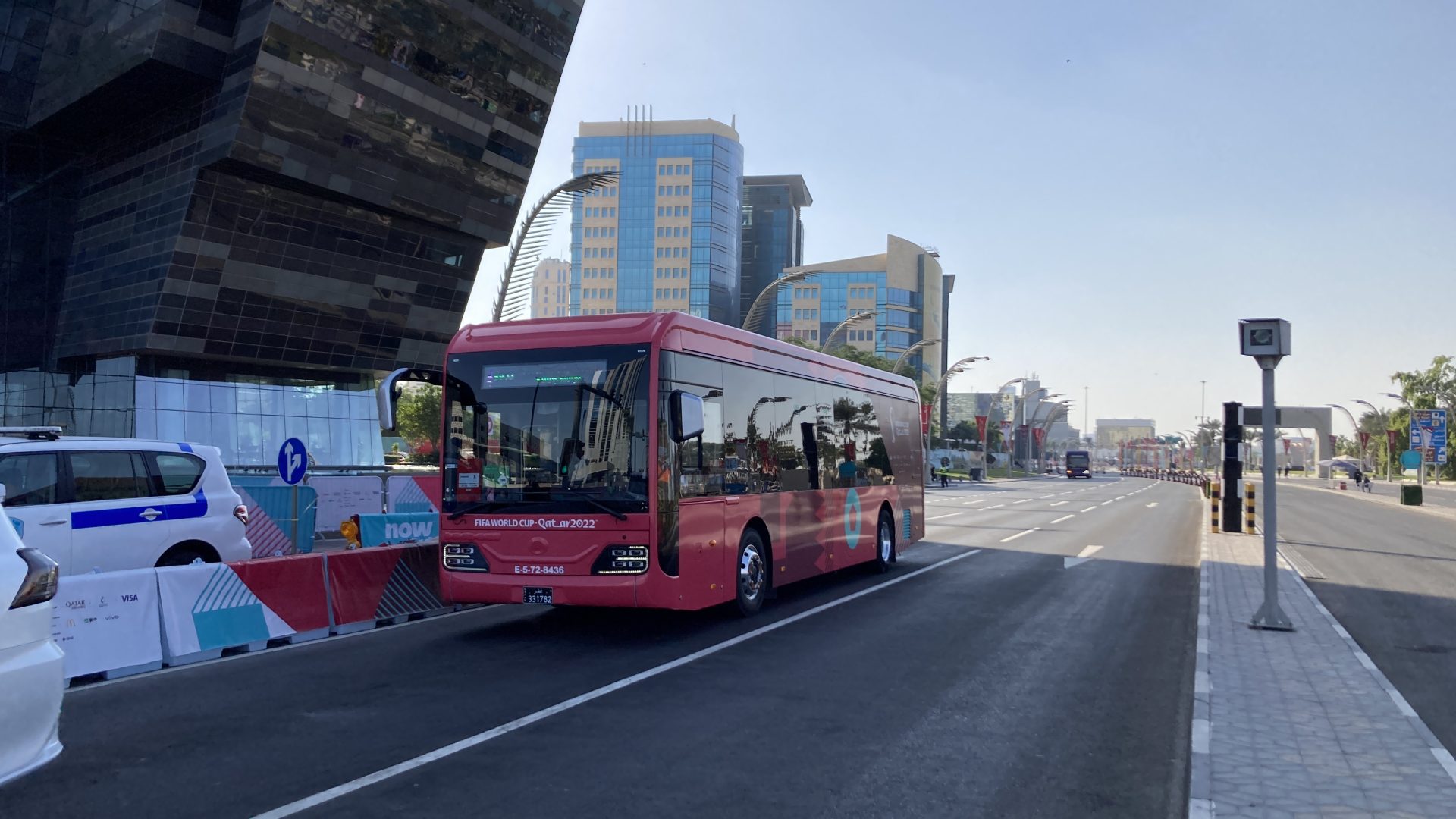
For instance, Qatar now operates one of the world’s largest electric bus fleets, with more than 700 e-buses in service. Dubai’s RTA has introduced 40 electric buses as part of a phased transition and a long-term objective to achieve a fully zero-emission bus fleet by 2050. In Saudi Arabia, SAPTCO has deployed 30 electric buses for operations on routes such as Tabuk. Meanwhile, Abu Dhabi’s ITC Green Bus Programme is actively deploying and testing electric and hydrogen buses within a broader decarbonisation pathway toward net-zero emissions by 2050.
Which metrics best capture how mobility is changing in MENA today – and what do they tell us about the region’s role within the global transport / UITP ecosystem?
Ridership still matters, of course, but it no longer tells the full story. Today, we look closely at modal share, reliability, service frequency, fleet electrification, emissions per passenger-kilometre, and how fast networks are expanding relative to population growth.
When considered together, these indicators show that MENA cities are not just building infrastructure quickly, but they’re improving performance and sustainability at the same time. Within the UITP ecosystem, that positions the region less as a ‘fast follower’ and more as a practical contributor to global mobility knowledge, especially around scale and speed of delivery.
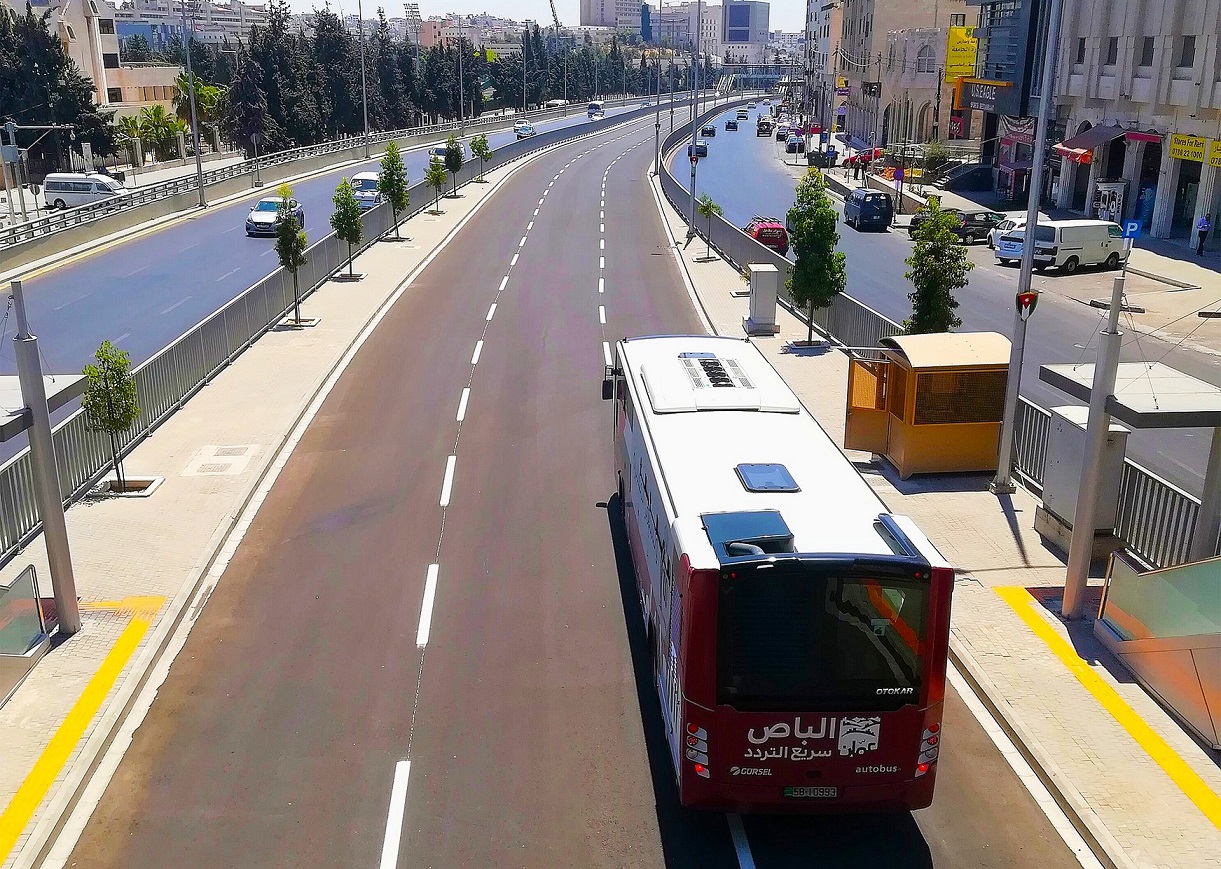
Car dependency, potential, public interest
Which policy levers are actually reducing car dependency – and where does mode shift still get stuck?
Where we see real progress happening, it’s more about a combination of factors. Policy doesn’t exist in isolation, it is connected to reliable public transport, parking management, pricing signals, and land-use decisions that support density and access…
Where mode shift still gets stuck is usually at the edges – first and last mile connections, enforcement gaps, or a mismatch between service quality and passenger expectations. We should also consider transport integration and governance as areas which can cause a delay in modal shift.
Dubai, for instance, has moved beyond static pricing by introducing variable Salik toll pricing and a variable parking tariff system, including higher parking fees around major event areas at peak times.
MENA is quite a fragmented market: what are the key differences between the Gulf and North Africa?
Gulf cities tend to focus on capacity expansion, technology leadership, and long-term economic diversification, while North African cities are often dealing with tight budgets, very high demand, and the need to optimize existing networks.
That doesn’t mean one region is ahead of the other, it means that priorities will differ.
Cities are moving away from asking only “How do we build this?” toward “How do we fund high-quality service over 20 or 30 years?”. Electrification and digitalisation have accelerated that shift as they are well positioned as catalysts; and they can force earlier financial discipline, rather than just accelerate change
Hashem Alhendawi, Head of MENA, UITP
What funding models have the most potential in the region?
The strongest models we see are blended ones: public investment combined with PPPs, development finance, green funding instruments, and value capture where possible.
What’s changed recently is the conversation itself. Cities are moving away from asking only “How do we build this?” toward “How do we fund high-quality service over 20 or 30 years?” Electrification and digitalisation have accelerated that shift, and it’s a theme we hear repeatedly across UITP MENA discussions. Electrification and digitalisation are well positioned as catalysts; and they can force earlier financial discipline, rather than just accelerate change.
Riyadh’s metro and bus network is one of the largest integrated public transport investment programmes in the region, financed through a blend of strong public funding and long-term operational contracts with private operators. The model combines large-scale public capital investment with private-sector expertise in operations and maintenance, ensuring lifecycle performance rather than just asset delivery. This reflects the shift toward funding reliable service over the long term, not only building infrastructure.
As public and private mobility services blur, how should authorities regulate platforms while protecting the public interest?
The key is really about integration. Authorities need to ensure that platforms complement public transport rather than fragment it. That means clear frameworks around data sharing, safety, fare policy, and service coverage.
The most successful approaches we see are actually hybrid ones: strong public oversight combined with room for private innovation.
Buses are backbone of public transport in MENA
Buses remain the backbone of public transport in many MENA cities. What does it take to make bus networks competitive?
Buses become competitive when cities treat them as a core part of the system. That means prioritising speed and reliability through dedicated lanes and signal priority, investing in modern fleets, and making services visible and easy to understand through real-time information and integrated ticketing.
Over the next few years, the biggest opportunity in MENA is to reposition buses as a strategic lever for fast, inclusive change. Dedicated lanes and signal priority are key, and enforcing these developments will be the difference between design and real performance.
We expect autonomy to develop along two tracks: robotaxi-style services in flexible or lower-density contexts, and driverless technology integrated into public transport on high-capacity corridors. Governance should remain firmly anchored in public authorities, even when private platforms are involved.
Hashem Alhendawi, Head of MENA, UITP
What is the strongest role for BRT in MENA countries?
BRT is a strategic solution, and in some cities, yet it does replace rail where budgets or timelines are constrained; and in others it feeds metro systems or operates as a long-term trunk corridor. But it also has a strategic role to play in its own right.
The deciding factor is quality of design. When BRT is planned with future capacity in mind, it becomes a permanent asset. Cities like Amman have played an important role in shaping how BRT is perceived across the region.
Chinese OEMs and electric buses: global procurement or local partnerships?
The most resilient approach sits in the middle. Cities benefit from global procurement to access innovation, but long-term success depends on local capacity, on assembly, maintenance, skills, and supply chains.
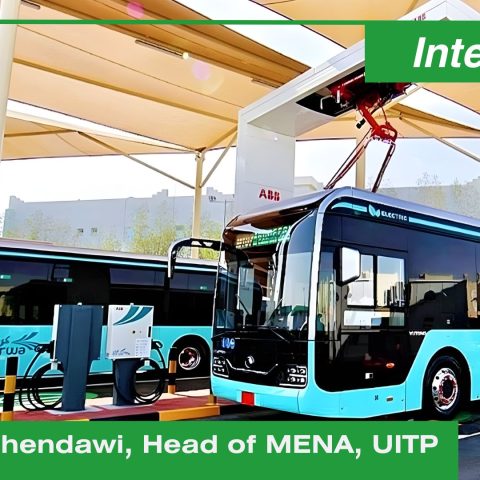
That’s why we increasingly see cities favour long-term partnerships rather than one-off purchases. A strong example is Qatar’s large-scale e-bus deployment, where Chinese manufacturer Yutong supplied over 700 electric buses, while charging infrastructure and depot systems were delivered by international partners such as ABB. This shows how cities combine global vehicle suppliers with specialised infrastructure providers, moving beyond one-off procurement toward integrated delivery models. It’s a balance between openness and strategic autonomy, and it’s a conversation happening across the region.
Dubai’s autonomy target: robotaxis or public transport – and under whose governance?
In reality, it’s not an either or question. We expect autonomy to develop along two tracks: robotaxi-style services in flexible or lower-density contexts, and driverless technology integrated into public transport on high-capacity corridors.
Governance should remain firmly anchored in public authorities, even when private platforms are involved. Dubai’s ambition makes it a valuable reference point for the region as these models evolve.
How does UITP plan to help cities maintain this control against global tech giants?
UITP’s position as the only global association to bring together all sector players puts us and our members in the unique position of being able to support cities by providing policy frameworks, peer learning, and practical guidance. By bringing experts around the table, we can collaborate to help guide public authorities to better define data, safety, and accountability rules early, ensuring governance remains firmly in public hands when engaging with global technology providers.
To what extent can Dubai be seen as a laboratory for future mobility?
Dubai is uniquely positioned because of its regulatory agility, financial capacity, and willingness to test ideas at scale. That makes it an effective laboratory, but also a reminder that not everything is directly transferable. Dubai tests both technology and governance models, not only innovation, and the real value lies in experimentation, transparency, and sharing outcomes.
That’s where global platforms like UITP play a crucial role: turning pilots into lessons that others can adapt.
What legacy has Qatar’s 2022 e-bus deployment created?
Qatar showed how mega-events can accelerate technology adoption, which has been impressive. The lasting impact comes from operational standards, workforce training, and system integration. Through good organisation and strong operations, Qatar’s legacy is strong.
The key lesson is really centred around prepardness and also continuity. Technology only delivers value when it is embedded into long-term operations, and that insight continues to influence thinking across the region.