India considers $1 billion incentives for private electric buses and trucks
India is considering more than $1 billion in incentives to support private-sector adoption of electric buses and trucks, according to Business Standard. The programme under discussion would run for ten years and would target India’s privately owned commercial vehicle fleet, with the largest share expected to be directed to inter-city bus operators. India considers decade-long […]
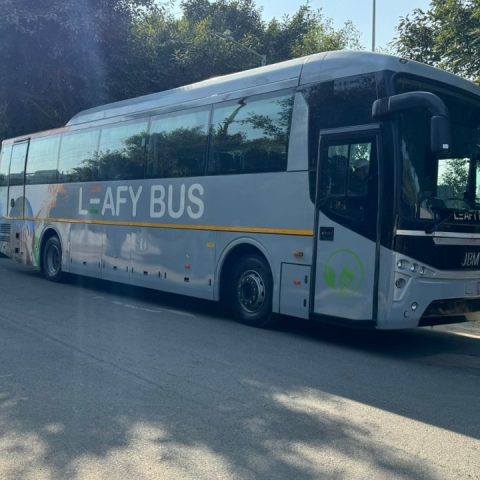
India is considering more than $1 billion in incentives to support private-sector adoption of electric buses and trucks, according to Business Standard.
The programme under discussion would run for ten years and would target India’s privately owned commercial vehicle fleet, with the largest share expected to be directed to inter-city bus operators.
India considers decade-long support for electric commercial fleets
Business Standard reports that meetings with the Prime Minister’s Office and industry stakeholders are expected this month to refine the plan. The final budget allocation, eligible vehicle categories and subsidy structure are still under discussion and may change.
India imports nearly 90 percent of its crude oil needs, according to Business Standard, and the government is accelerating measures to reduce fossil-fuel dependence after supply disruptions linked to the West Asia crisis.
The incentives being examined include interest subvention benefits worth up to 1.5 million rupees, equal to about $17,500, per vehicle over its lifetime, Business Standard reports. The support would taper over time.
The government is also evaluating a partial credit guarantee mechanism to support lending for private companies purchasing electric commercial vehicles. Consultations have involved lenders, guarantee providers, vehicle manufacturers and fleet operators.
Early discussions have focused on support for 10,000 buses, with a possible expansion to 40,000 to 50,000 vehicles. Business Standard reports that industry requests also include charging parks, toll and tax waivers, and electricity concessions.