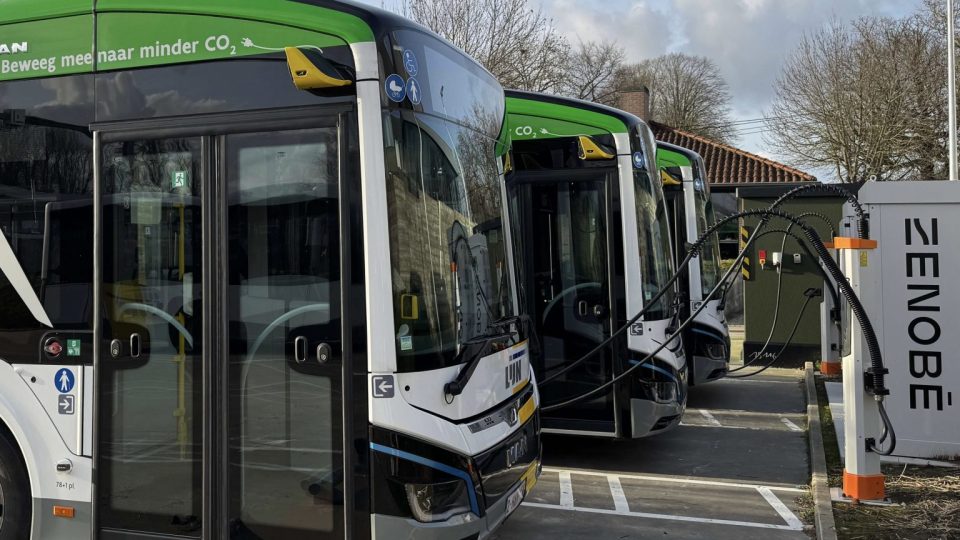
The transition to e-buses in the Netherlands is facing setbacks mainly due to grid constraints, De Telegraaf reports
“The transition to electric buses in the Netherlands is facing serious setbacks”. It’s the incipit of a reporting by the Dutch newspaper De Telegraaf, published in late February (and covered by local trade media PV Personenvervoer). Typical issues include faults in charging stations, problems with batteries and congestion on the electricity grid, and all these […]

“The transition to electric buses in the Netherlands is facing serious setbacks”. It’s the incipit of a reporting by the Dutch newspaper De Telegraaf, published in late February (and covered by local trade media PV Personenvervoer). Typical issues include faults in charging stations, problems with batteries and congestion on the electricity grid, and all these problems mean that diesel buses have to run again temporarily, the newspaper underlines.
However, the country has been a performance leader in e-bus deployment, had over 400 e-buses registered last year and is in fourth position in Europe (behind much bigger markets such as UK, Germany and France) considering the total e-bus fleet, with 1,983 e-buses, according to data from DVV Media Group. Over 1,000 electric buses were running already in late 2020.
Challenges for e-buses in the Netherlands
We’ve come a long way since in 2015, the leaders of the PTAs in the Netherlands came to an agreement. From 2025 on, newly bought buses for public transport can only be emission free.
However, several operators have reported delays in the delivery of electric buses, exacerbated by the bankruptcy of Van Hool.
According to the article, Qbuzz is operating just 12 electric buses due to grid limitations, alongside 228 diesel buses. “We have applied for the necessary power connections to ensure that we can achieve emission-free operations in Friesland by 2030,” said a Qbuzz spokesperson. Similar challenges are reported in South Holland, where supply chain disruptions forced Qbuzz to rely on diesel buses.
Arriva also expects to deploy diesel buses in the Roosendaal region from December due to grid congestion. “The electricity grid is simply overloaded,” the company stated. EBS in Flevoland has been forced to use 40 diesel buses to compensate for charging restrictions.
The frequent use of diesel buses leads to increased emissions, which conflicts with the Netherlands’ goal of achieving completely emission-free public transport by 2030, reads the article by PV Personenvervoer: “Part of the responsibility reportedly lies with provinces and regional transport authorities, which often require public transport companies to deploy emission-free fleets in new concessions. In a highly competitive market, public transport companies often over-promise emission-free vehicles”.