Norway launches 235 electric buses in Vestfold, led by Yutong fleet
Norway has introduced a 235-vehicle battery-electric bus fleet in Vestfold as carrier Tide Buss officially started its new ten-year operating contract on 1 July. A nationwide changeover of bus operating contracts came into effect on 1 July, marking one of the most extensive reorganizations of Norway’s public transport system in recent years. According to Norwegian […]
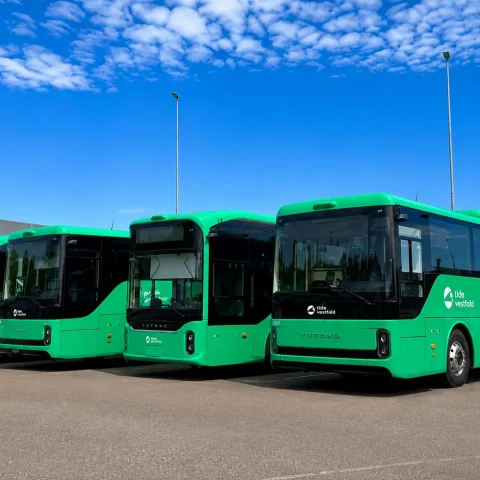
Norway has introduced a 235-vehicle battery-electric bus fleet in Vestfold as carrier Tide Buss officially started its new ten-year operating contract on 1 July.
A nationwide changeover of bus operating contracts came into effect on 1 July, marking one of the most extensive reorganizations of Norway’s public transport system in recent years. According to Norwegian trade media Bussmagasinet, the new concessions include large-scale fleet renewals, new operators, redesigned route networks and the commissioning of charging infrastructure in several counties.
The largest individual deployment took place in Vestfold, where carrier Tide Buss assumed responsibility for all local and school bus services under a ten-year public service contract valued at approximately NOK 6.5 billion (approximately €575 million). The concession covers more than 11 million scheduled kilometres annually and entered service with a fleet of around 235 battery-electric buses.
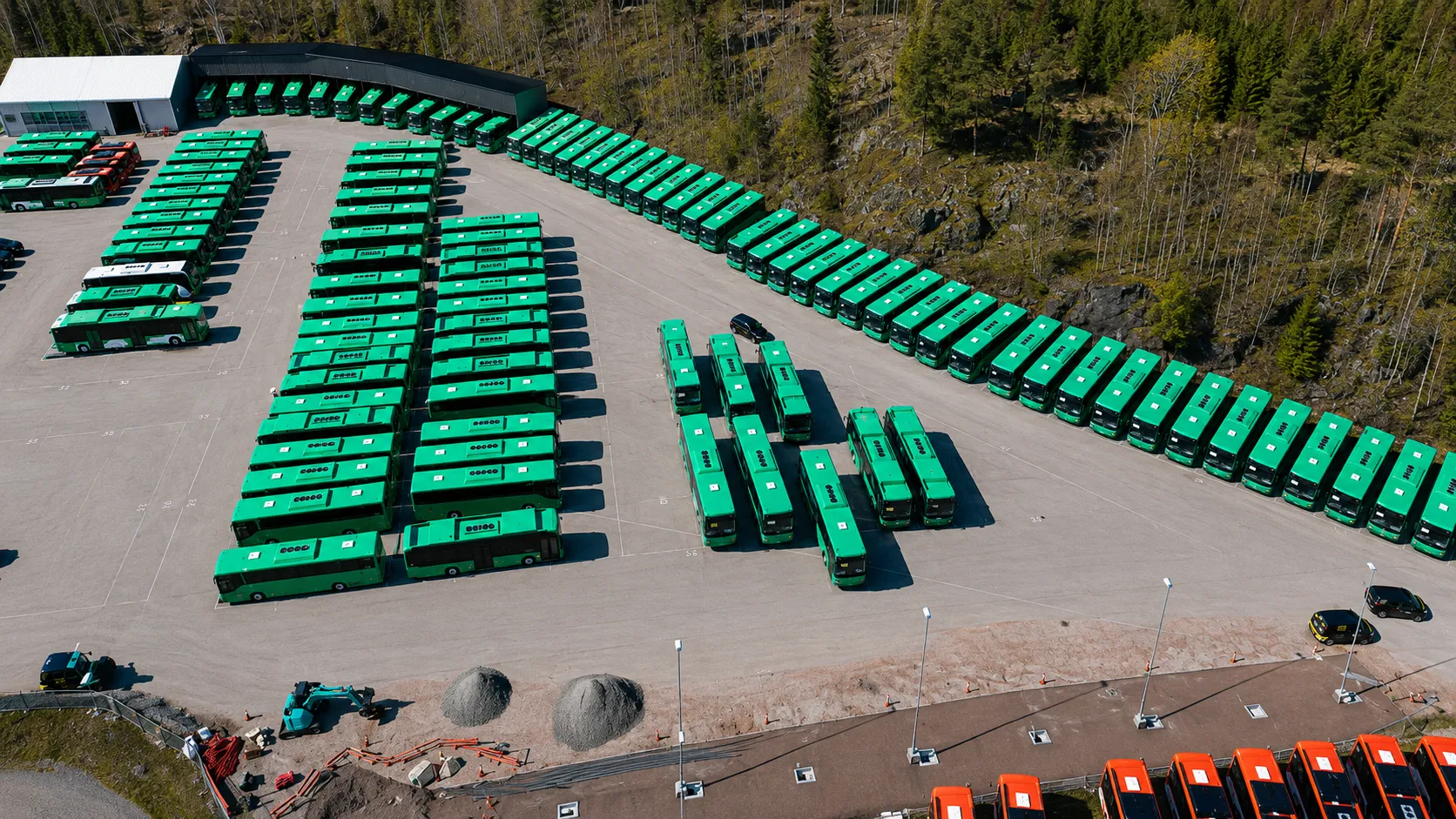
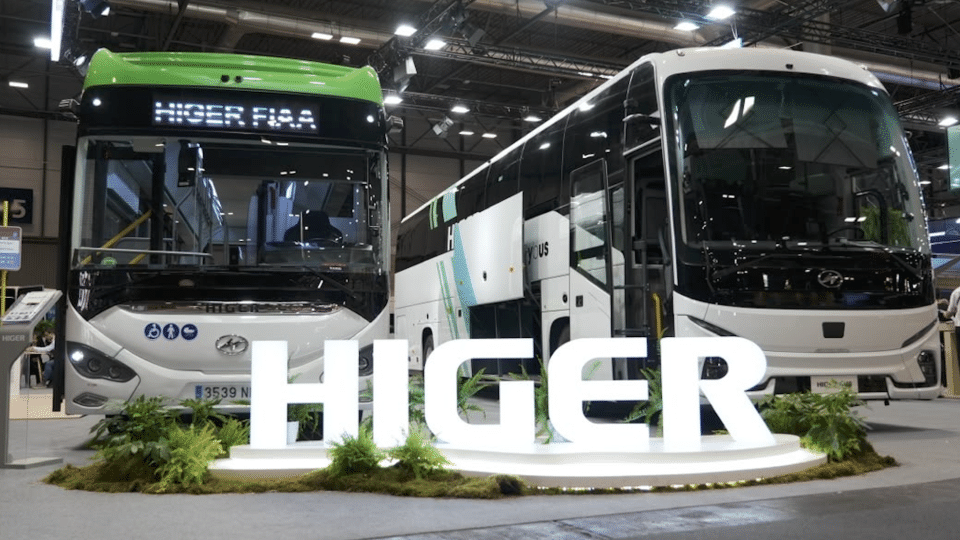
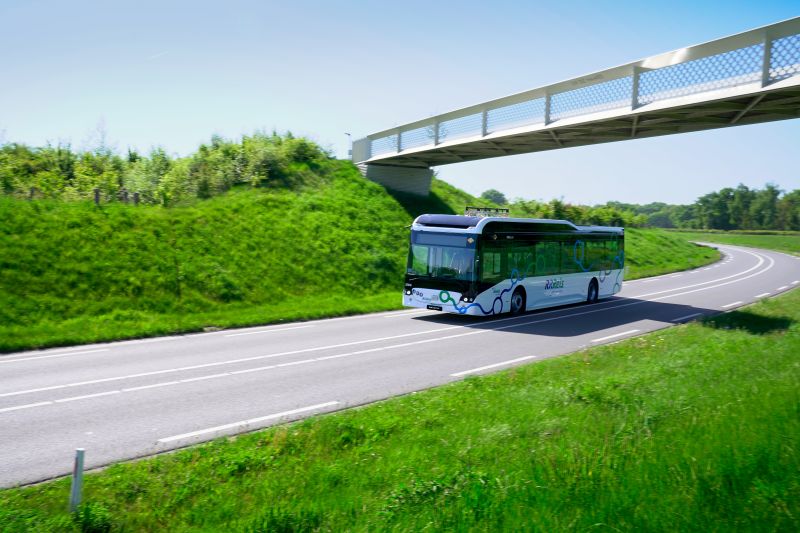
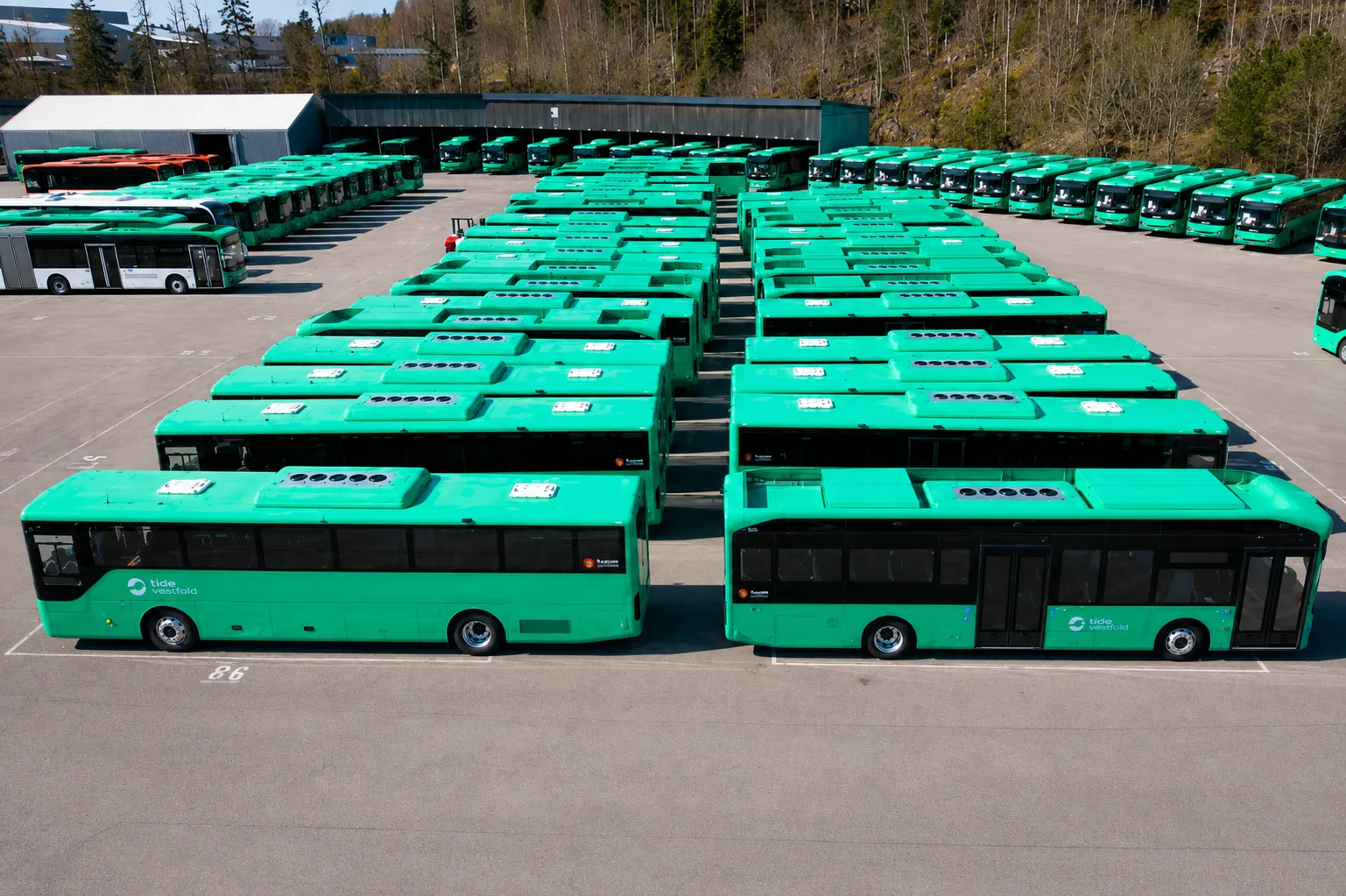
The fleet is composed primarily of Yutong electric buses. The remaining vehicles are Scania battery-electric chassis fitted with Higer-built Fencer F1 bodies. The Yutong vehicles include U12 and U15 low-entry models together with IC12E and IC15E interurban variants serving local, suburban and regional routes.
Vestfold starts operations with 235 battery-electric buses
The Vestfold concession represents one of the largest single-day introductions of electric buses in Norway, says Bussmagasinet. From the first day of operation, the county’s scheduled bus services are operated with battery-electric vehicles.
The contract covers the municipalities of Holmestrand, Horten, Tønsberg, Færder, Sandefjord and Larvik. Alongside the fleet deployment, the concession introduced a revised route network, updated timetables, new ticketing solutions and passenger information systems.
In brief
- How many electric buses entered service in Vestfold, Norway? A total of 235 battery-electric buses started operation on 1 July.
- Which manufacturer supplied most of the fleet? Yutong supplied the majority of the vehicles, while 41 buses are Scania chassis with Higer Fencer F1 bodies.
- How many charging points were installed? Around 250 charging points were deployed across 13 operating locations.
- How many Yutong buses are now operating in Norway? According to the source, the national fleet exceeds 1,200 vehicles.
To support operations, new depot and charging infrastructure has been commissioned. The operational transition also included vehicle testing, staff training and the implementation of new operating procedures ahead of the 1 July launch.
Around 250 charging points have been installed across 13 depots and terminal locations throughout Vestfold using Kempower charging technology.
Rogaland also introduces new electric bus network
The nationwide concession change also includes major operational changes in Rogaland.
On Nord-Jæren, the opening of the first section of the Bussveien corridor between Stavanger and Sandnes coincides with the introduction of a redesigned bus network and the deployment of more than 200 battery-electric buses. New trunk routes have entered service together with revised timetables and network changes.
According to Bussmagasinet, some deliveries of new buses have been delayed. The new operating concept nevertheless started as scheduled, with temporary vehicles being used where required until the remaining electric buses are delivered.