Como area bus tender nears launch: 543 new buses (258 BEV) and 30 million bus-km under 10-year contracts
Lake Como area prepares 10-year bus tender with 543 new buses, all replacements to be battery-electric The Local Public Transport Authority covering the provinces of Como, Lecco and Varese, in Italy’s Lombardy region, is entering the final preparatory stage of its long-awaited tender for urban and interurban bus services. According to the reporting by Italian […]
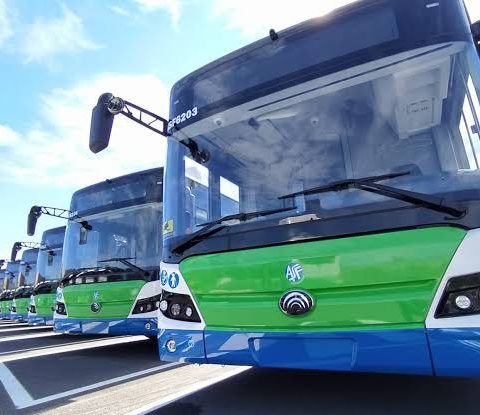
Lake Como area prepares 10-year bus tender with 543 new buses, all replacements to be battery-electric
The Local Public Transport Authority covering the provinces of Como, Lecco and Varese, in Italy’s Lombardy region, is entering the final preparatory stage of its long-awaited tender for urban and interurban bus services. According to the reporting by Italian trade media and our sister platform Autobusweb, the procurement will cover approximately 30 million bus-km per year, divided into five operating lots under 10-year net-cost concessions, with operations scheduled to begin in the first half of 2027.
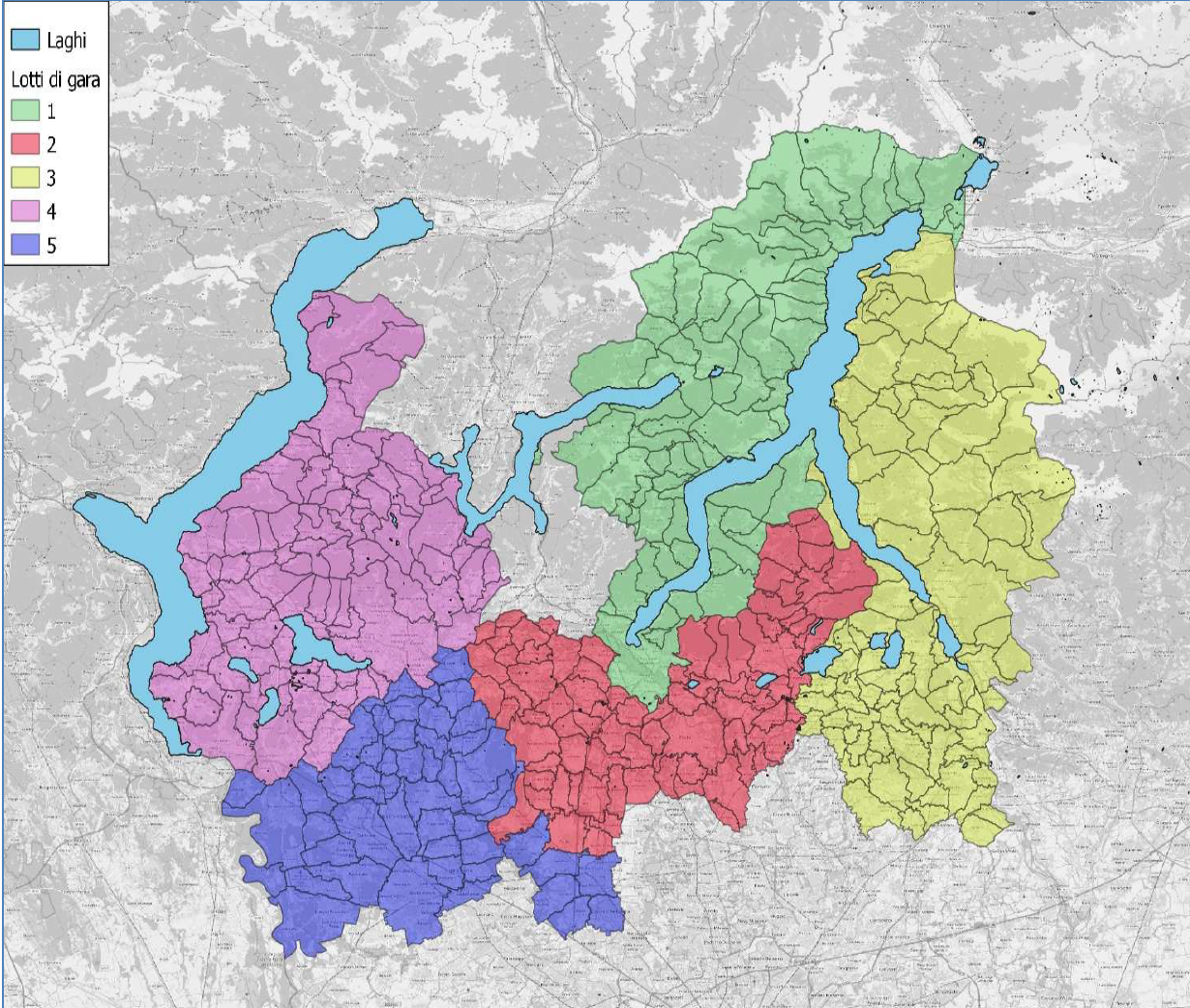
One of the most significant elements of the procurement concerns fleet renewal. Operators are asked to acquire 543 buses over the duration of the concession. While the initial fleet completion will rely on Euro VI vehicles, all buses purchased for scheduled fleet replacement during the contract are planned to be new battery-electric vehicles. Target: increasing the share of zero- and low-emission vehicles from 14% to 45% by the end of the contract.
Public transport tender process in Como
The procurement process formally began in December 2022 with publication of a Prior Information Notice in the Official Journal of the European Union.
In June 2026, the authority’s board approved the Award Report and the technical tender documentation and forwarded them to the Assembly for final approval.
The remaining steps include finalisation of the tender documents, publication of the contract notice in the Official Journal of the European Union, invitation of pre-qualified bidders, evaluation of offers and contract award. According to the current timetable, the new contracts are expected to enter into force during the first half of 2027.
543 buses planned, with electric fleet renewal during the concession
The concession foresees the acquisition of 543 buses over ten years. Of these, 285 vehicles will be required before service starts in 2027 to complete the operating fleet, while 258 buses will replace vehicles reaching the end of their technical life during the contract.
For the initial fleet, all vehicles will be financed directly by operators and must comply with at least the Euro VI emissions standard. To facilitate the transition between incumbent and incoming operators, the financial assumptions behind the tender allow 151 buses—slightly more than half of the initial requirement—to be second-hand vehicles with a maximum average age of seven years.
The renewal strategy changes once the concession is underway. All buses purchased for scheduled fleet renewal will be newly built battery-electric vehicles, regardless of whether they are financed through public funding or operators’ own investment.
The authority estimates that 218 battery-electric buses will be purchased with public financial support, while the remaining 40 electric buses will be acquired directly by operators. The investment programme also includes replacement of 82 battery packs during the final two years of the concession.
By the end of the contract, 45% of the fleet is expected to consist of zero- and low-emission buses—including battery-electric, hybrid and CNG vehicles—compared with an estimated 14% when the new concession begins.
Five operating lots and increased service production
The bus network will be reorganised into five operating lots, replacing the current structure of 19 contracts.
Annual production will increase from 29.07 million to 29.99 million bus-km. The five concessions range from approximately 4.9 million to 7.3 million bus-km annually. Annual compensation is set at approximately €59 million (excluding VAT), corresponding to around €590 million over the ten-year concession before contractual indexation mechanisms.