TransLink prepares launch of Solaris battery-equipped trolleybus fleet in Vancouver starting in September
Vancouver’s first next-generation trolleybus is undergoing network-wide testing ahead of its planned entry into passenger service in September 2026. The first Solaris-made 40-foot trolleybus of TransLink’s new fleet arrived in Metro Vancouver in June, following a phase of testing in the Polish city of Gdynia, and is currently completing road and operational tests across the […]
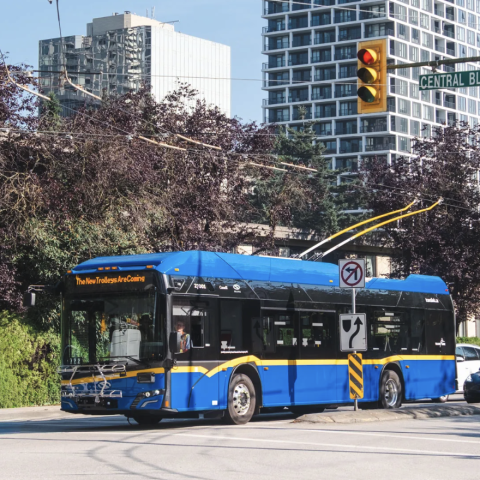
Vancouver’s first next-generation trolleybus is undergoing network-wide testing ahead of its planned entry into passenger service in September 2026.
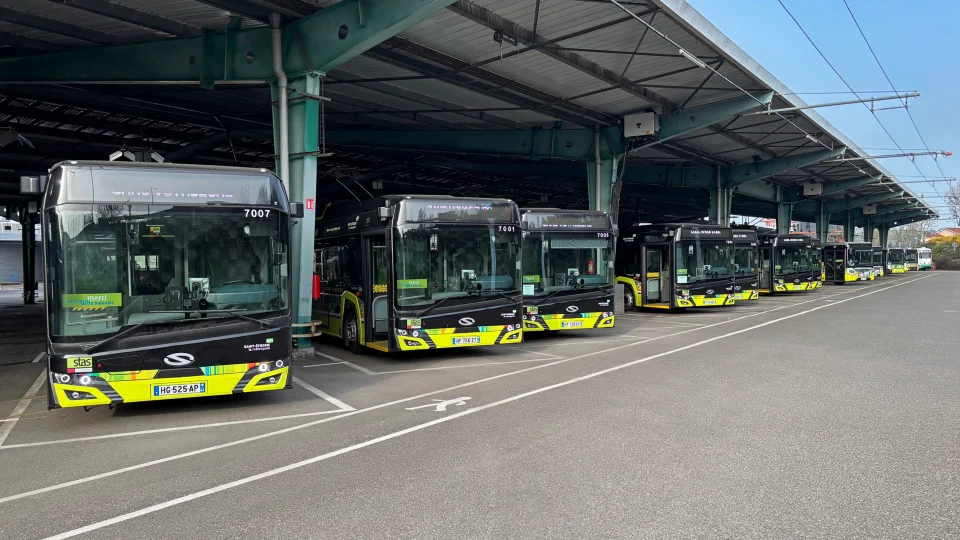
The first Solaris-made 40-foot trolleybus of TransLink’s new fleet arrived in Metro Vancouver in June, following a phase of testing in the Polish city of Gdynia, and is currently completing road and operational tests across the entire trolleybus network, according to a blog post published by TransLink. The vehicle will enter service with a commemorative art wrap marking the introduction of the new fleet before deliveries accelerate as part of the operator’s large-scale fleet renewal programme.
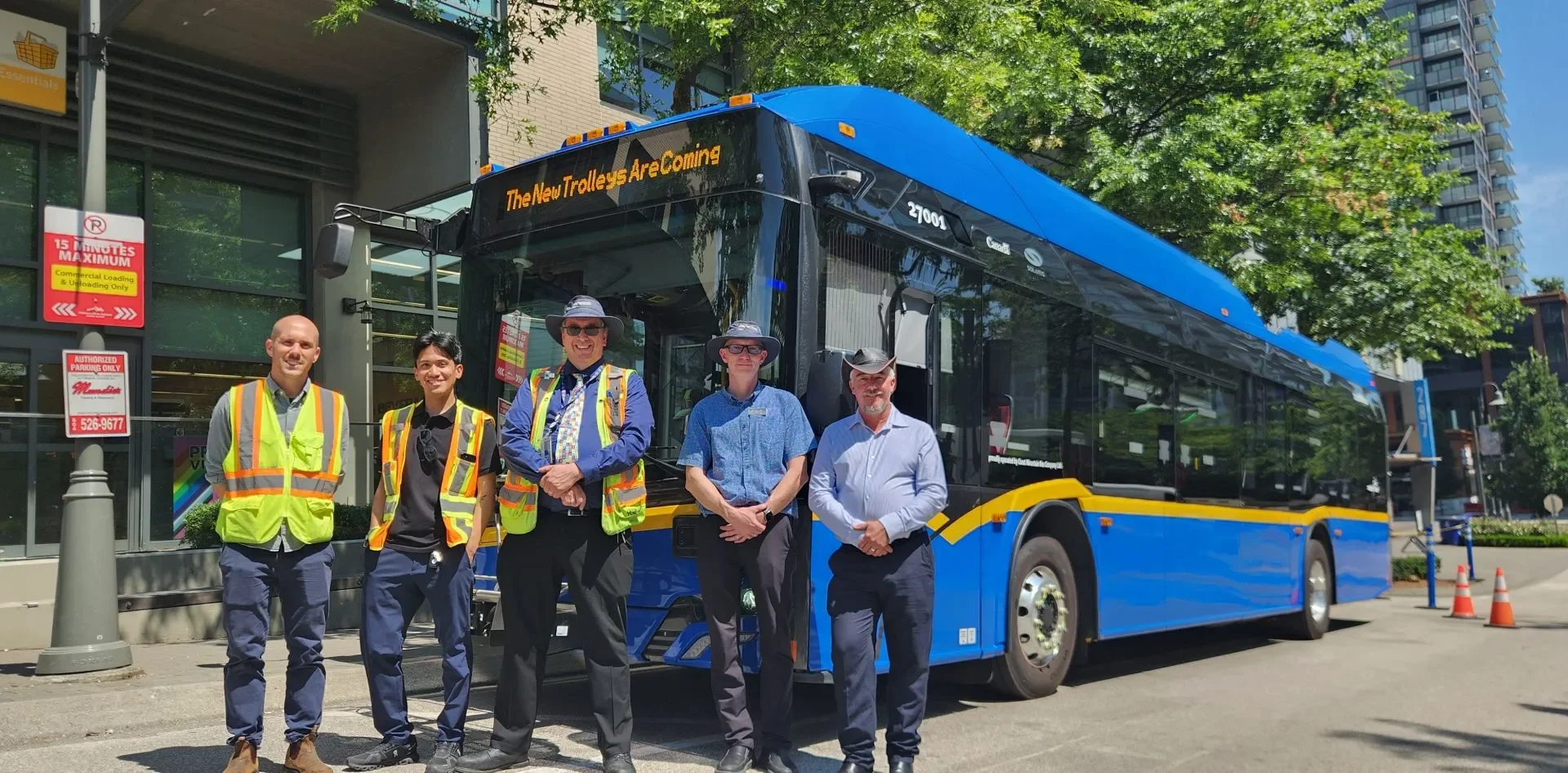
Solaris scored first trolleybus order in Canada
The vehicle forms part of TransLink’s programme to replace its existing fleet of 262 trolleybuses as they reach the end of their operational life. The replacement programme, Translink states, includes 275 vehicles, comprising 183 standard 40-foot trolleybuses and 92 articulated 60-foot models, which will enter service progressively over the coming years.
However, previous reporting stated that 107 Solaris trolleybuses have been ordered. The tender was published on 16 May 2024 for a supply of up to 107 trolleybuses and options for a further 405 vehicles and the winner was indeed Polish Solaris, while the electrical equipment will be supplied by Medcom. The same manufacturer, whose North American operations are headed by Félix Fernández, CEO of parent company CAF USA and President of Solaris North America. Solaris will launch its BEV bus model for North America at APTA expo in Chicago in October, following electric bus orders secured with King County Metro in Seattle and SFMTA in San Francisco.
New Solaris trolleybus introduces upgraded passenger features
The new trolleybus features a refreshed exterior livery combining blue with yellow and grey accents, alongside larger windows intended to increase natural light inside the passenger compartment.
Passengers will also notice several changes to the interior. Priority seating is now identified by red upholstery, while traditional pull cords have been replaced by illuminated stop-request buttons incorporating Braille lettering, the carrier stresses.
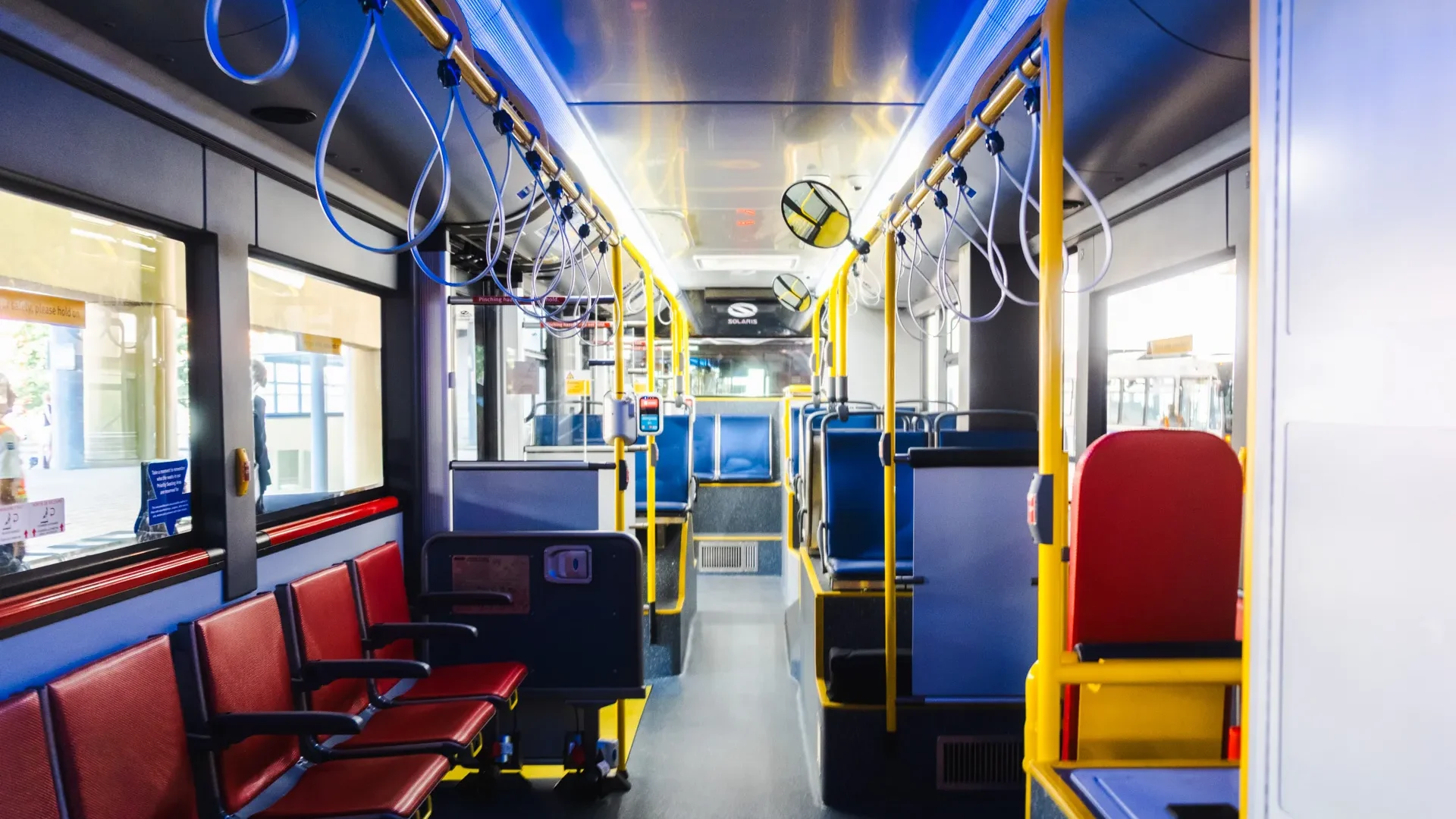
The vehicle adopts a full low-floor layout extending from the front to the rear of the bus, allowing step-free movement throughout the passenger area. Unlike the existing fleet, the standard 40-foot vehicle also features three passenger doors, with the additional rear door designed to improve boarding and alighting flows.
Another major change is the introduction of air conditioning. According to TransLink, this is the first trolleybus in the fleet equipped with climate control for both passengers and drivers, with operators also benefiting from a dedicated cooling system.
Battery allows up to 20 kilometres of off-wire operation
One of the most significant technical upgrades is the installation of an onboard battery capable of recharging while the trolleybus is connected to the overhead network.
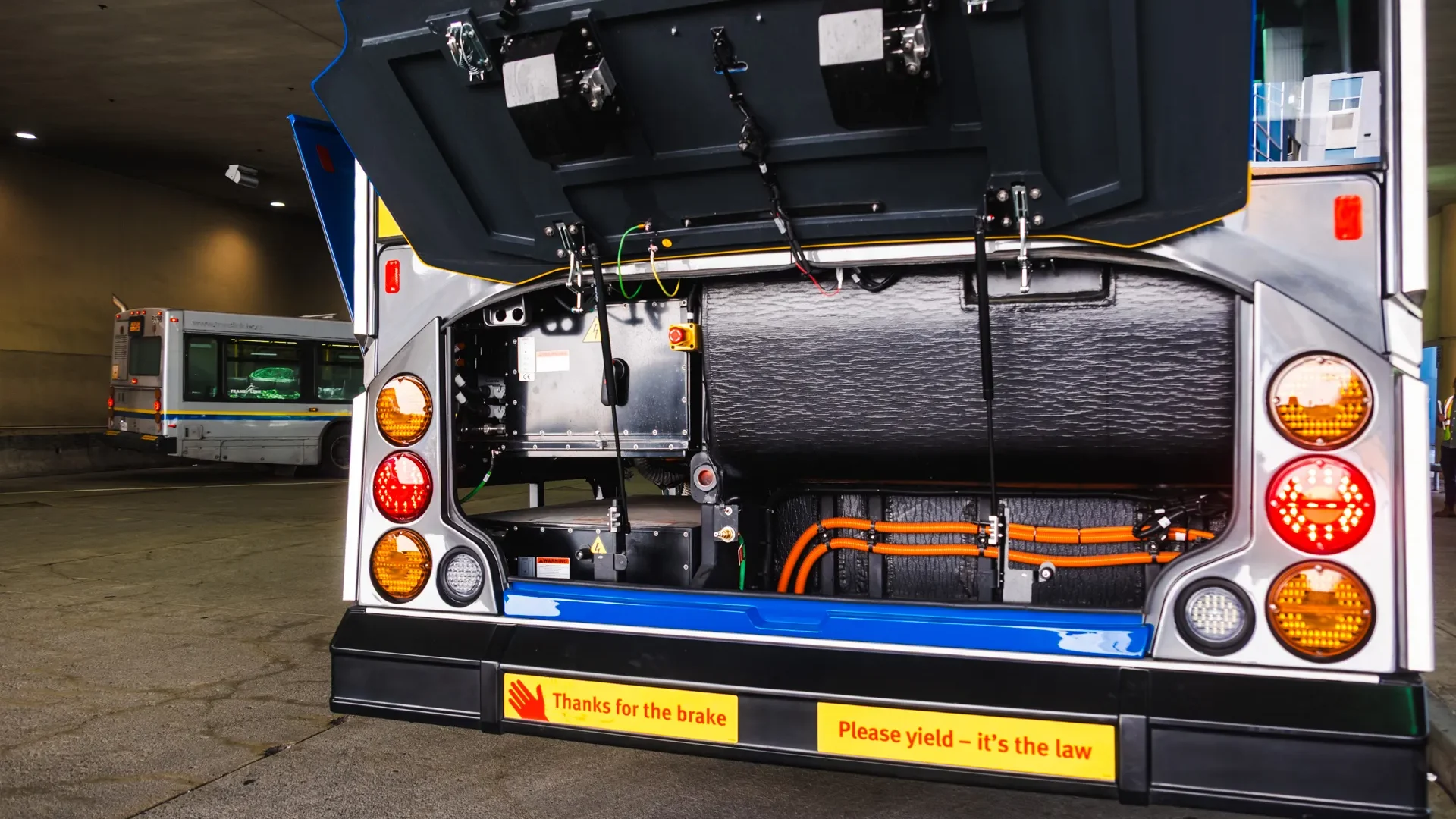
According to TransLink, the battery enables the vehicle to operate for up to 20 kilometres without overhead wires. By comparison, the existing trolleybus fleet can only travel a few hundred metres on battery power, primarily to bypass temporary road obstructions.
The extended off-wire capability provides greater operational flexibility for future route planning and potential network modifications.
Fleet renewal programme underway
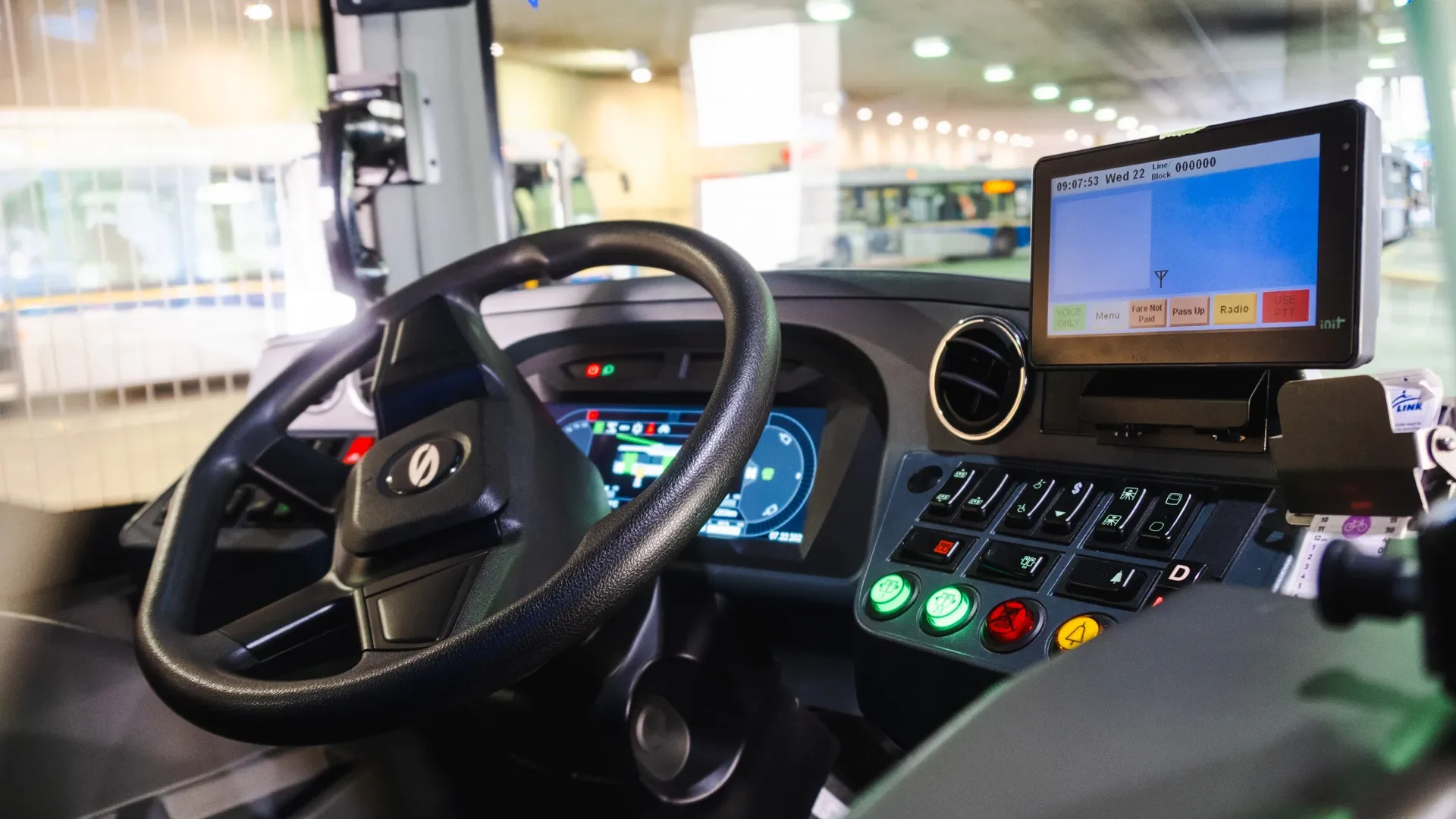
The new trolleybus also introduces an updated driver’s workstation with an adjustable dashboard designed to improve ergonomics. Conventional exterior mirrors are complemented by camera mirror technology, displaying live images on interior screens to enhance visibility and reduce blind spots.
In brief
- When will the new trolleybus enter service? TransLink plans to introduce the first vehicle into passenger service in September 2026.
- How far can it travel without overhead wires? The onboard battery provides up to 20 kilometres of off-wire operation.
- What accessibility improvements have been introduced? The trolleybus features a full low-floor interior, three doors, Braille stop buttons and clearly marked priority seating.
- How many new trolleybuses will TransLink receive? The fleet renewal programme includes 275 vehicles: 183 standard and 92 articulated trolleybuses.