Hannover’s autonomous bus pilot reaches 1,200-test-journey milestone as extension is considered
The first phase of the Albus autonomous bus project in Burgdorf concluded with around 1,200 test journeys, positive passenger feedback and confirmation of the technical feasibility of autonomous public transport operations. Now Hannover regional assembly is expected to decide later this month whether to continue the project until 2027, purchasing another two vehicles. According to […]
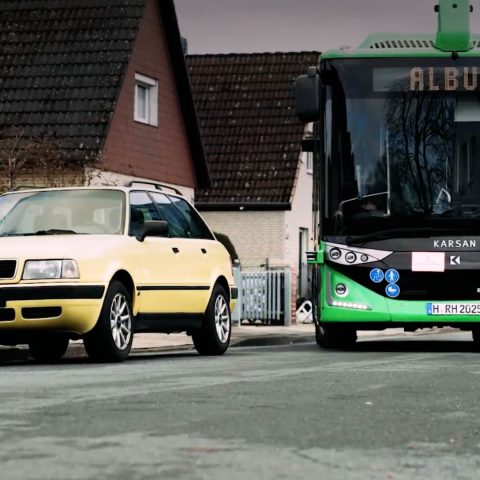
The first phase of the Albus autonomous bus project in Burgdorf concluded with around 1,200 test journeys, positive passenger feedback and confirmation of the technical feasibility of autonomous public transport operations.
Now Hannover regional assembly is expected to decide later this month whether to continue the project until 2027, purchasing another two vehicles.
According to German trade media outlet omnibus.news, citing information released by transport operator Üstra, the pilot operation completed its initial phase at the end of June after nine months of service on a route based on line 906 in Burgdorf, near Hannover. The operator stated that the project demonstrated that autonomous driving technology can already be deployed in public transport environments, while passengers rated the service as comfortable and safe.
The Albus project was launched in March 2023 and received total funding of €6.3 million, of which 58 percent came from the German federal government. Following preparatory work and regulatory approvals, passenger operations started in September 2025.
Karsan e-ATAK autonomous bus operated on six-kilometre route
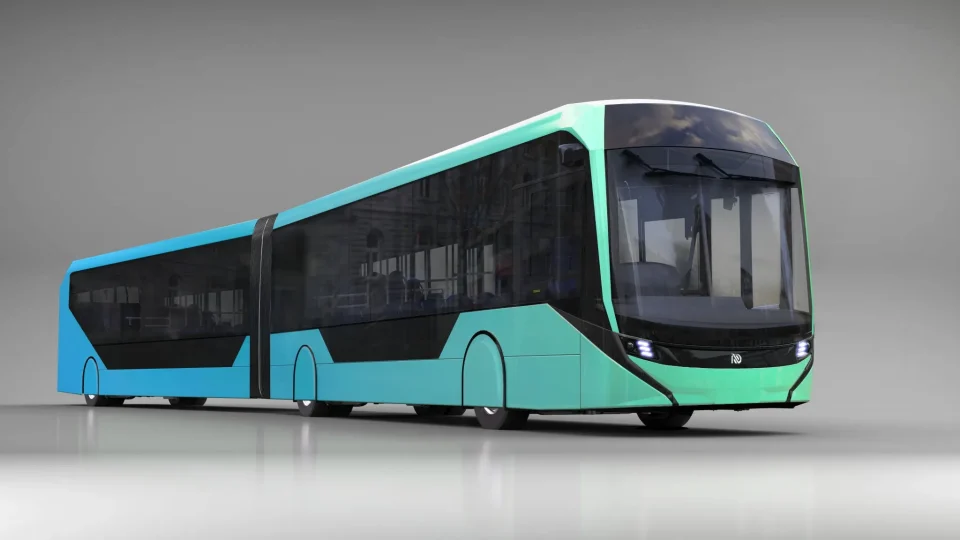
The pilot service was carried out using a Karsan Autonomous e-ATAK electric bus. The eight-metre vehicle operates at SAE Level 4 automation and uses a combination of LiDAR sensors, cameras, radar systems, ultrasonic technology and high-definition maps to navigate in mixed traffic conditions.
The route covered approximately six kilometres and included 14 stops. It also connected Burgdorf Vocational School (BBS Burgdorf), which serves as a regional competence centre for mobility.
In brief
- How many journeys were completed during the first phase? Around 1,200 test journeys were carried out between September 2025 and June 2026.
- Which vehicle was used in the pilot? A Level 4 autonomous Karsan e-ATAK electric bus operating on a six-kilometre route.
- What is planned for the next phase? The proposal includes two additional autonomous buses and an extension of the project until 2027.
- What is the long-term objective? Project partners aim to achieve driver-out autonomous bus operations by the end of 2029.
According to Üstra, ride comfort improved steadily during the trial. Early feedback highlighted abrupt braking manoeuvres, which were subsequently reduced through software developments implemented during the project.
Ulf-Birger Franz, Head of Transport for the Hannover Region, is quoted as sayuing that a number of technical and operational challenges encountered at the beginning of the project had been resolved over the course of the test period. He added that the pilot also provided answers to questions raised by both passengers and project partners regarding autonomous public transport operations.
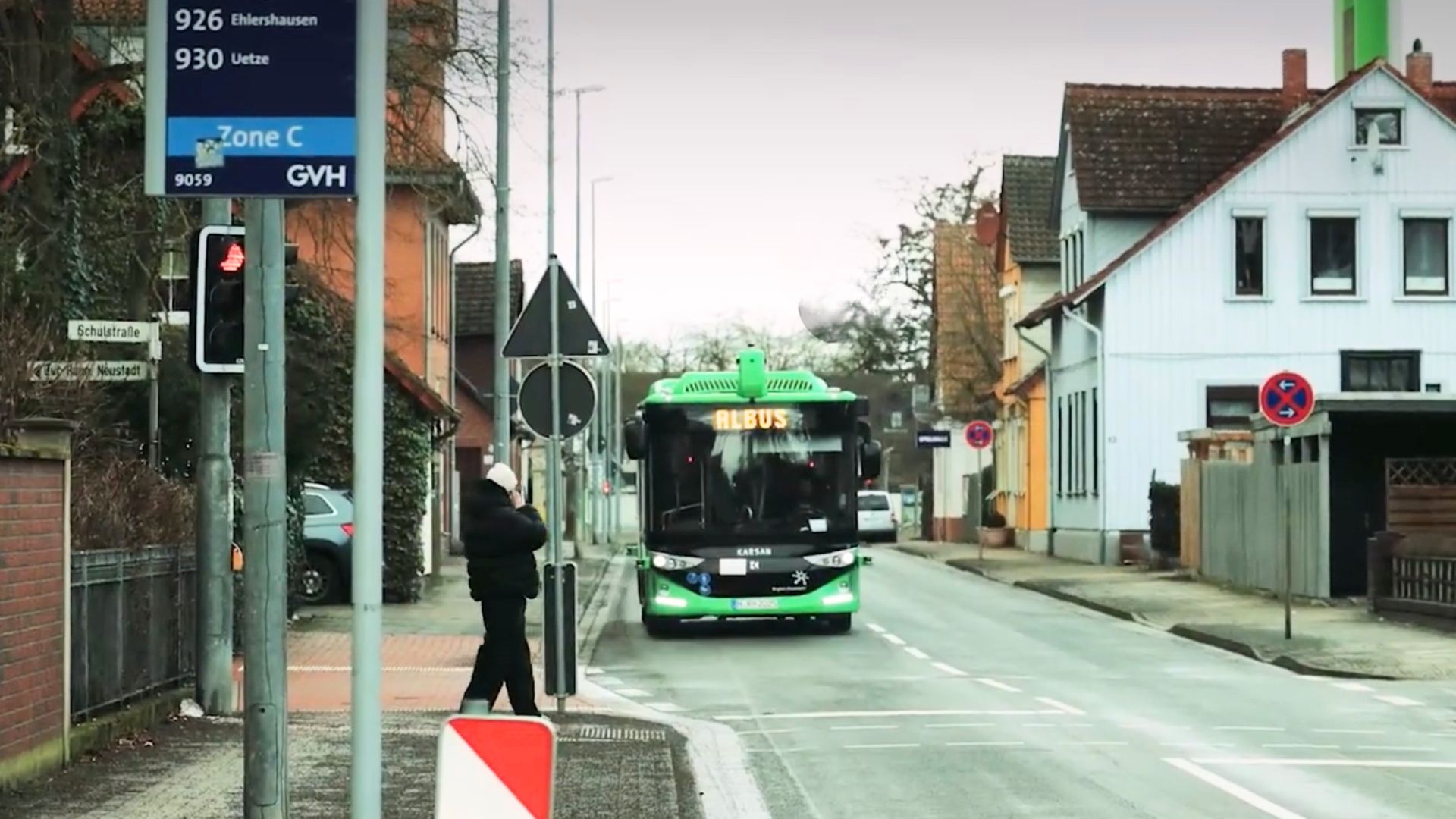
Hannover autonomous bus project to continue?
The project has been accompanied by scientific evaluation since its launch. According to results reported by omnibus.news, the first phase confirmed the technical feasibility of autonomous bus services in regular public transport operations.
Üstra reported that the vehicle’s safety systems functioned reliably throughout the pilot period and that passenger acceptance remained consistently positive. The operator stated that the trial generated valuable operational experience while enabling passengers to gain direct exposure to autonomous mobility technologies.
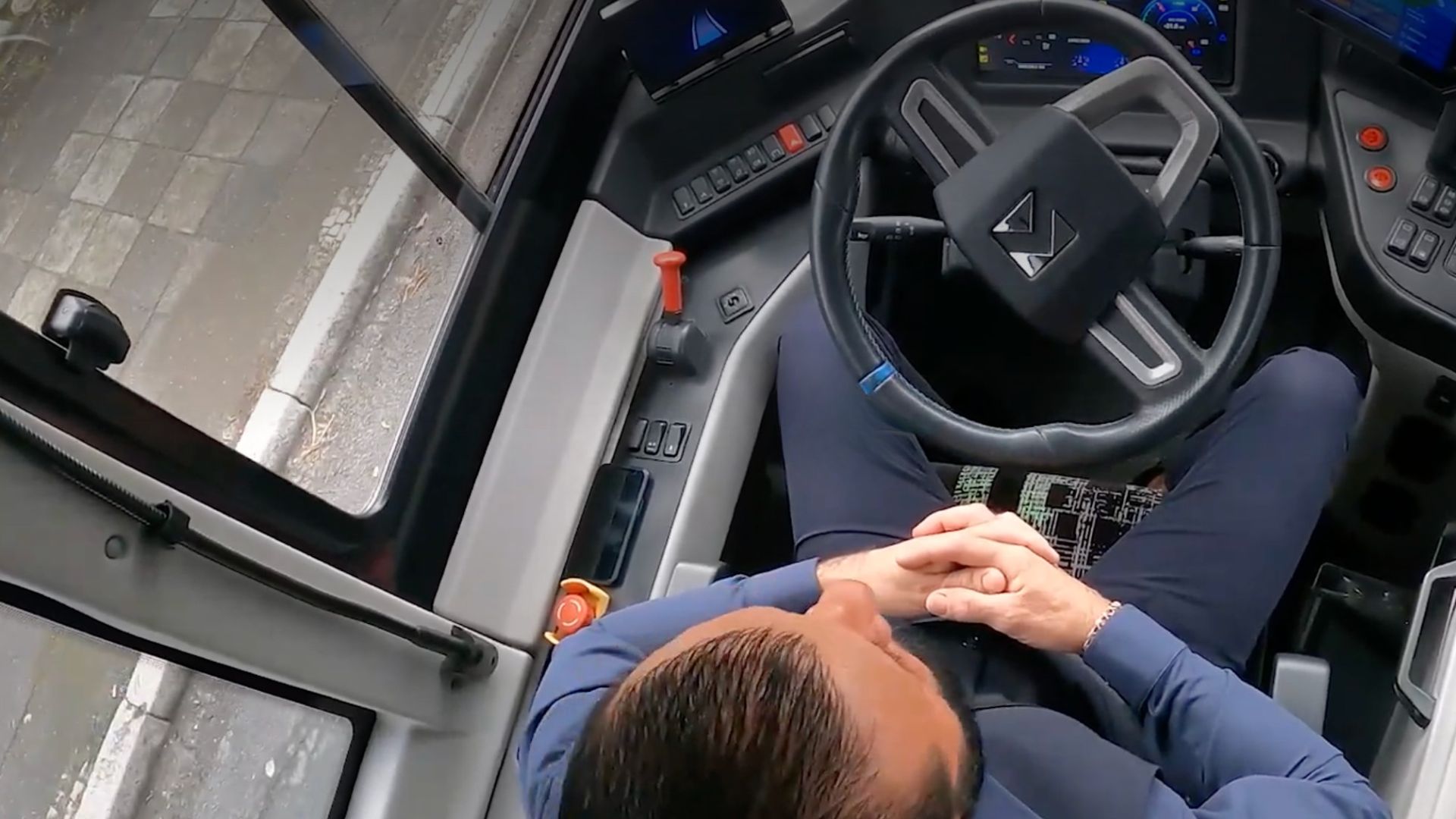
The Hannover regional assembly is expected to decide later this month whether to continue the project until 2027. As reported by omnibus.news, the proposal includes the acquisition of two additional autonomous buses and an expansion of testing activities.
The long-term objective is to achieve so-called “driver-out” operations by the end of 2029, allowing autonomous buses to operate without onboard safety personnel. The next phase would also continue the assessment of passenger acceptance, CO₂ reduction potential and technological developments.
Funding of approximately €2.7 million has been proposed for the second phase. According to project partners, 53 percent of this amount would be covered by Germany’s Federal Ministry of Transport, while the remaining share would be provided by the Hannover Region.
After completion of the project, the vehicles are expected to be transferred to Üstra. Test operations could then continue beyond the formal project period and potentially until 2029.