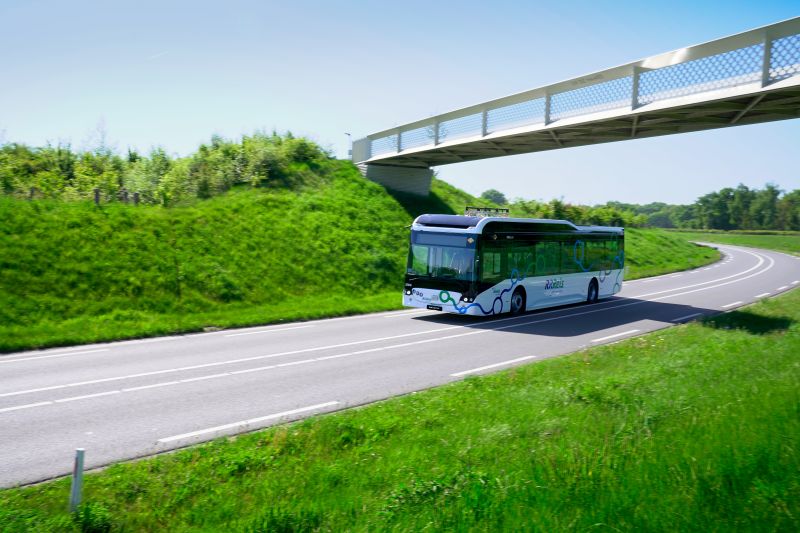
INIT acquires 67.74% of Norwegian Applied Autonomy and its xFlow platform for autonomous bus fleet management and remote supervision
INIT has acquired a 67.74% stake in Norwegian company Applied Autonomy, a specialist in software for the management and remote supervision of autonomous vehicles in public transport, airports and logistics. The transaction was completed on 1 October 2026 and announced by INIT on 8 October. The acquisition brings Applied Autonomy’s xFlow platform, already deployed in […]
INIT has acquired a 67.74% stake in Norwegian company Applied Autonomy, a specialist in software for the management and remote supervision of autonomous vehicles in public transport, airports and logistics.
The transaction was completed on 1 October 2026 and announced by INIT on 8 October. The acquisition brings Applied Autonomy’s xFlow platform, already deployed in autonomous bus operations in Norway and the Netherlands, into INIT’s technology portfolio.
Founded in 2017 and headquartered in Kongsberg, Applied Autonomy develops manufacturer-independent software for integrating, monitoring and managing autonomous vehicles. According to INIT, its xFlow platform can be combined with the German company’s MOBILE-ITCS control system to manage mixed fleets comprising conventional and driverless vehicles.
The acquisition follows INIT’s launch of the BRAVE10k research programme in Germany, which addresses the procedures and technological requirements for deploying more than 10,000 autonomous public transport vehicles by 2030.
INIT and Applied Autonomy for autonomous bus operations
Applied Autonomy’s core technology, xFlow, is a manufacturer-agnostic platform designed to integrate autonomous vehicles from different manufacturers into a common fleet management environment.
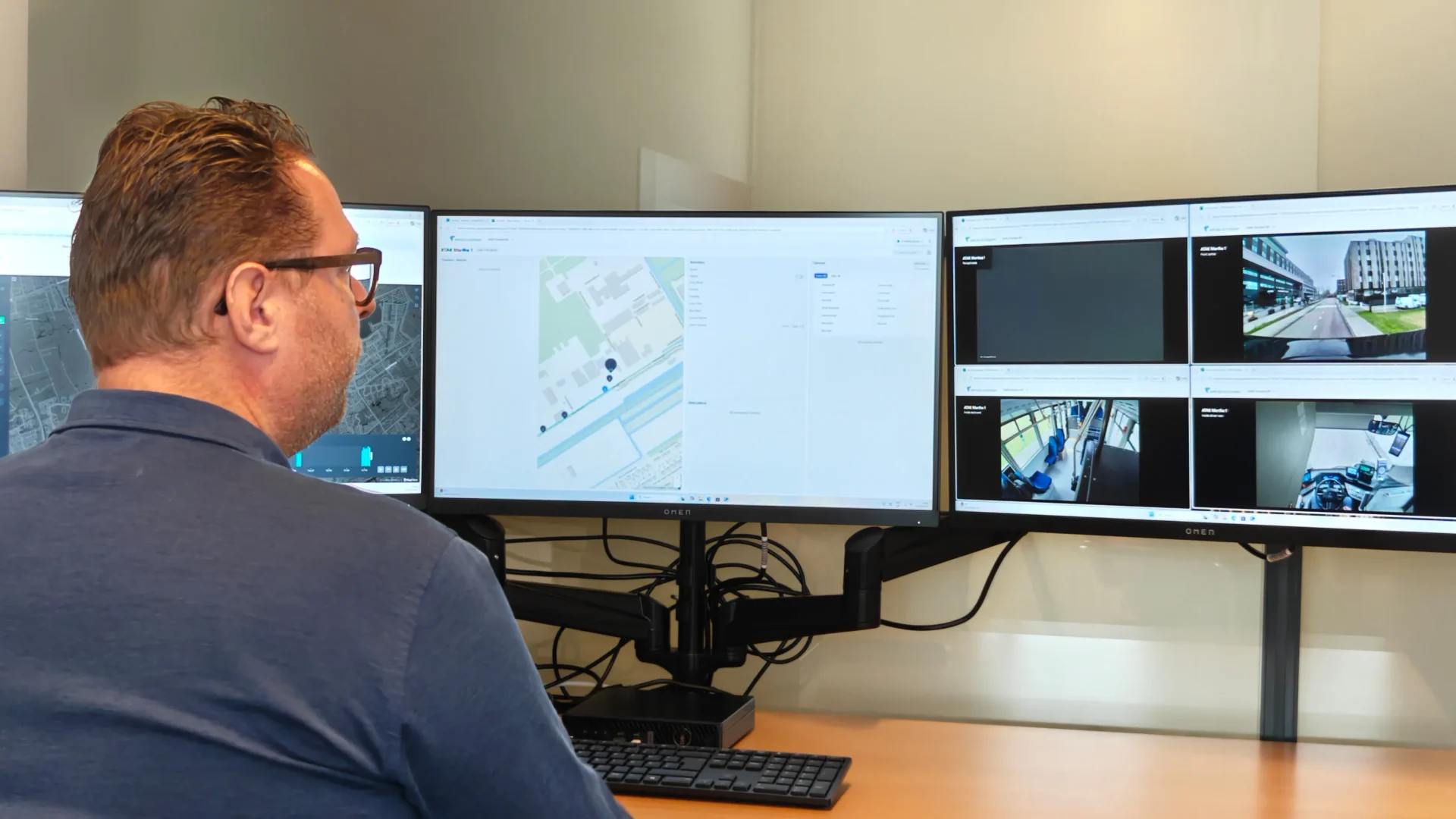
The software provides real-time monitoring, remote operator functions and technical supervision of autonomous vehicles operating without a driver on board. It also supplies operational data to other transport management systems.
According to INIT, integrating xFlow with its MOBILE-ITCS platform enables the coordinated management of autonomous and conventional vehicles through public transport control systems.
The combined architecture covers vehicle monitoring, remote intervention and operational management, with xFlow providing technical supervision functions and MOBILE-ITCS handling fleet management and control centre operations.
In brief
- What stake has INIT acquired in Applied Autonomy?
INIT acquired 67.74% of the Norwegian company on 1 October 2026. - What does Applied Autonomy’s xFlow platform do?
It provides fleet monitoring, technical supervision and remote operator functions for autonomous vehicles. - Where is xFlow already deployed?
In autonomous bus operations in Stavanger, Norway, and Rotterdam, the Netherlands. - What is the objective of BRAVE10k?
To develop the procedures and tools required for deploying more than 10,000 autonomous public transport vehicles in Germany by 2030.
Applied Autonomy has been active in autonomous mobility since 2017, with deployments covering public transport and airport applications. INIT’s acquisition gives the German company a majority shareholding in the Norwegian software developer.
Autonomous bus operations in Stavanger and Rotterdam
Applied Autonomy’s xFlow platform is already used in autonomous bus operations in Norway and the Netherlands.
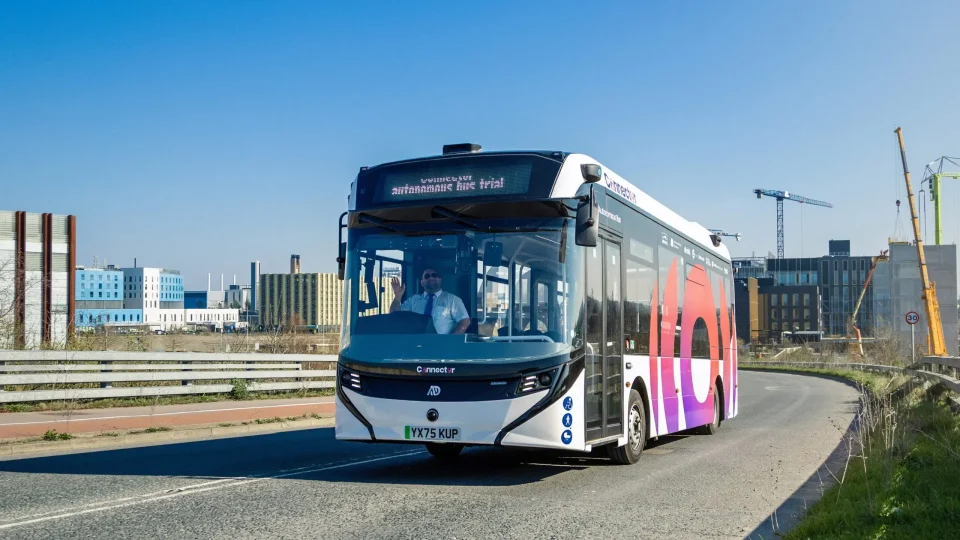
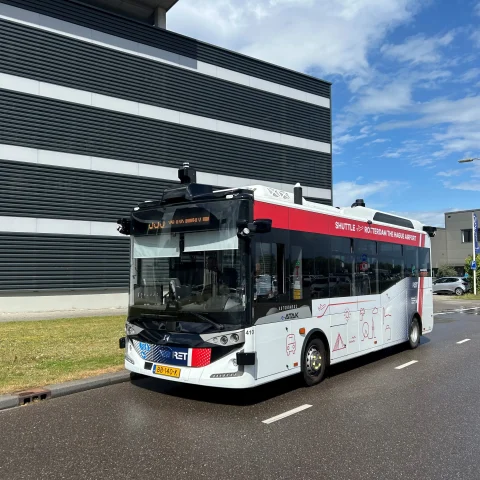
In April 2026, the Norwegian Public Roads Administration authorised autonomous bus operations without an onboard safety driver in Stavanger. The service involves a Karsan Autonomous e-ATAK equipped with autonomous driving technology supplied by ADASTEC, while Applied Autonomy provides the xFlow fleet management and remote supervision system. The authorisation was granted to public transport operators Vy and Kolumbus.
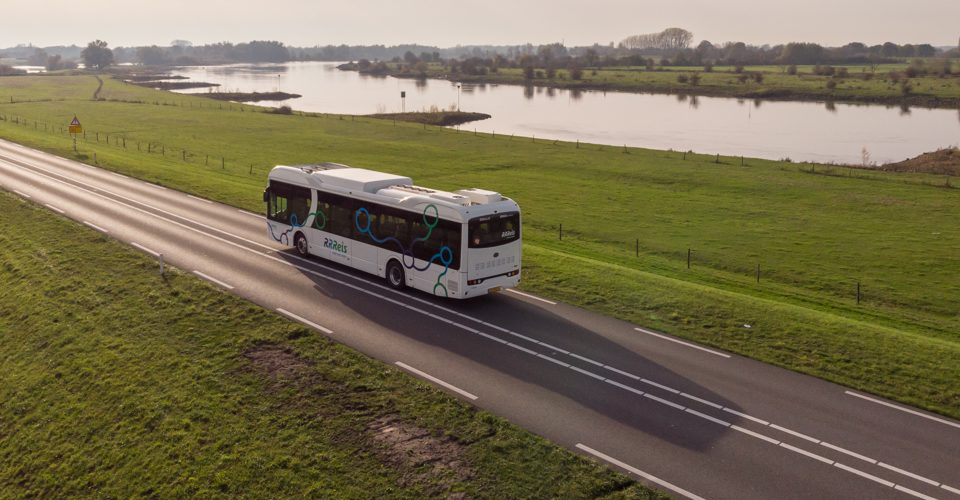
In the Netherlands, two autonomous buses equipped with xFlow have been operating in Rotterdam since 2025. The deployment includes the world’s first autonomous airport bus, which entered service in 2025.
In Rotterdam, technical supervision personnel use xFlow to monitor vehicle operations and intervene remotely when necessary.
INIT’s BRAVE10k project targets 10,000 autonomous vehicles in Germany by 2030
The acquisition takes place alongside INIT’s activities in autonomous driving research and the development of operational systems for driverless public transport.
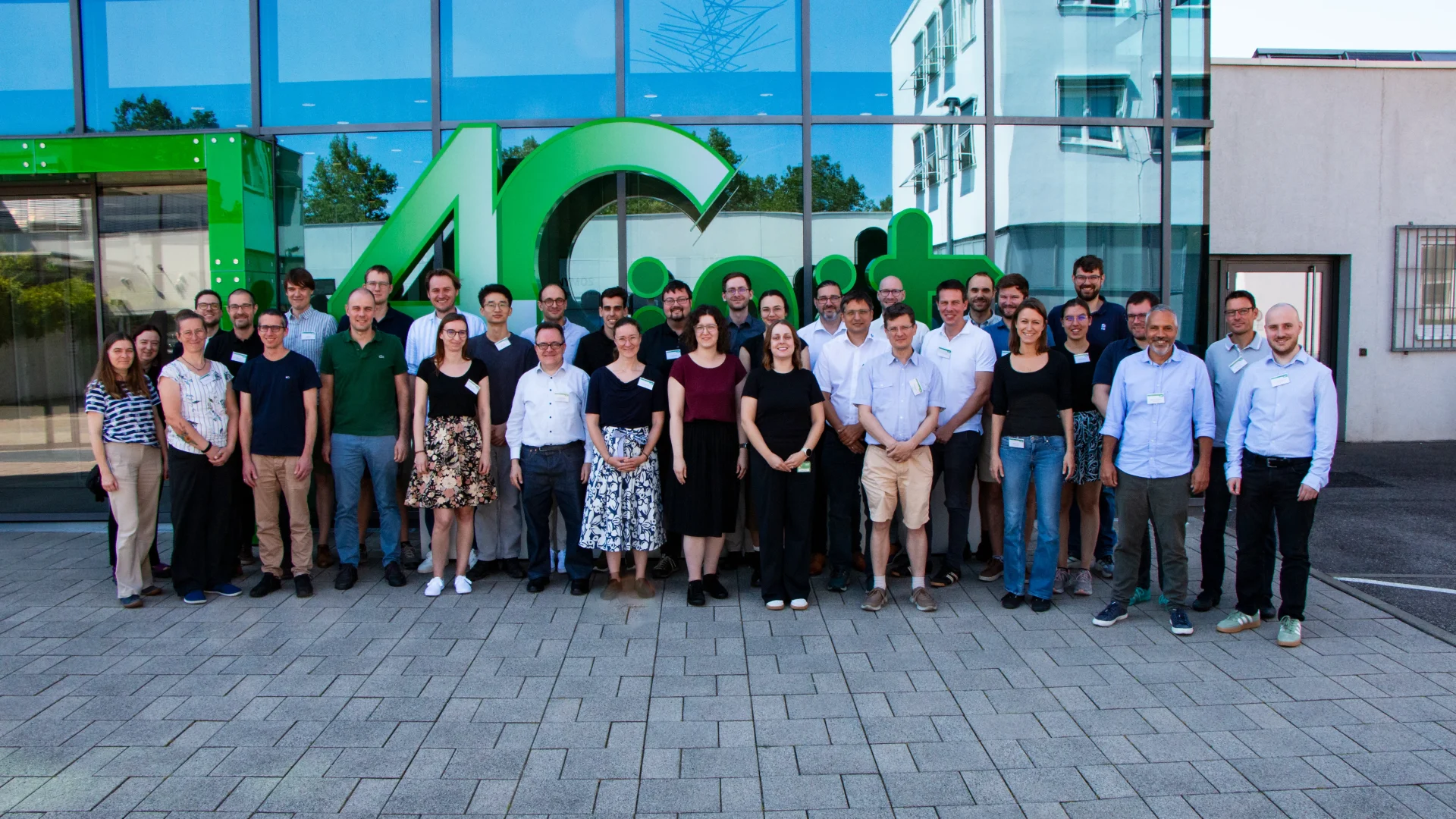
In July 2026, INIT launched the BRAVE10k project in Germany, bringing together approximately 20 partners from public transport, research, technology and standardisation. The three-year programme, funded by the German Federal Ministry for Economic Affairs and Energy (BMWE) and supervised by TÜV Rheinland, addresses the standardised procurement, approval, implementation and operation of autonomous vehicles in public transport.
“As a small, innovative company, we have made our mark internationally. We are therefore delighted about our partnership with INIT, an international technology leader, because together we can scale our business very quickly and significantly accelerate our growth,” said Olav Madland, CEO of Applied Autonomy.