Guatemala targets procurement of 300 electric buses in 2027, considers local assembly plant
Central American country Guatemala plans to procure around 300 electric buses in 2027 as part of its future metropolitan public transport network. The announcement was made during the presentation of 13 priority infrastructure and mobility projects for the Guatemala metropolitan area. According to trade outlet Mobility Portal, the electric buses are intended to operate as […]
Central American country Guatemala plans to procure around 300 electric buses in 2027 as part of its future metropolitan public transport network.
The announcement was made during the presentation of 13 priority infrastructure and mobility projects for the Guatemala metropolitan area. According to trade outlet Mobility Portal, the electric buses are intended to operate as feeder services connecting passengers with future high-capacity public transport corridors.
Guatemala’s announcement comes as several Latin American countries are advancing electric bus deployment through national and municipal programmes. The region now counts on more 10,000 electric buses in operation. Chile remains the region’s largest electric bus market outside China, with Santiago operating nearly 4,000 battry-electric buses.
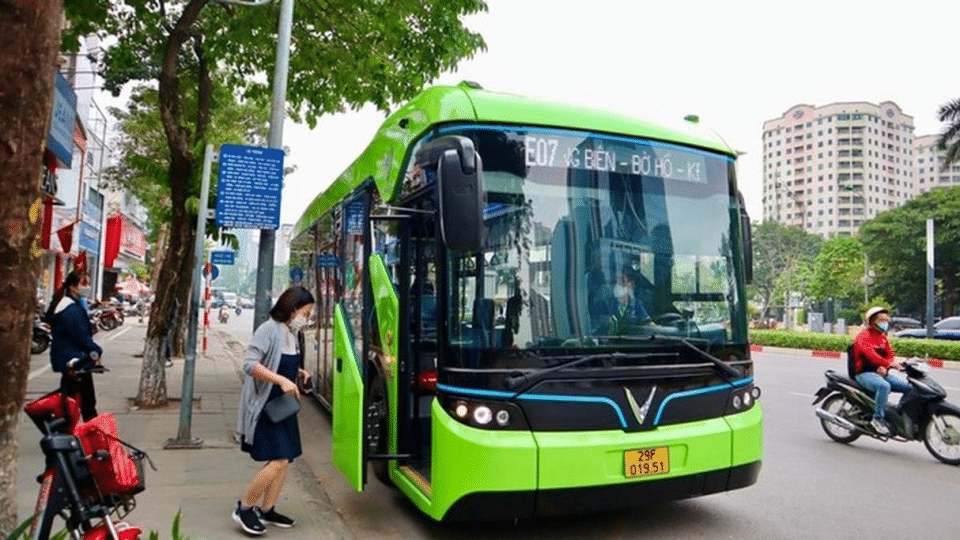
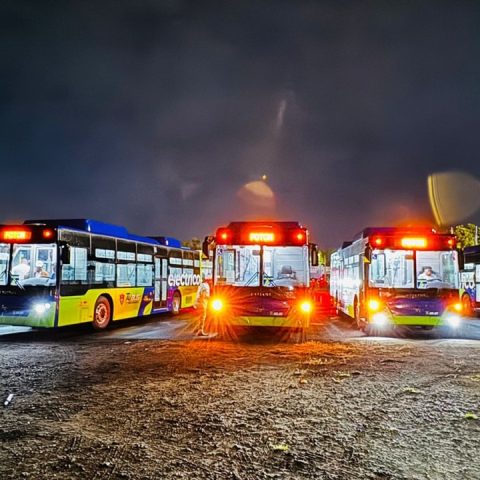
Credit picture: Foton Mexico
Guatemala’s metropolitan mobility plan
President Bernardo Arévalo stated that the government plans to acquire around 300 electric buses next year. According to Mobility Portal, no procurement procedure has yet been launched and no vehicle supplier has been identified.
The planned fleet will serve as feeder routes for the future metropolitan transport network rather than operating as a standalone system. During the presentation, Arévalo said that the country’s bus network requires restructuring and redesign so that feeder services can connect passengers with the main transport corridors.
In brief
- How many electric buses does Guatemala plan to procure? The government announced plans to acquire approximately 300 electric buses in 2027.
- What role will the buses perform? They are intended to operate as feeder routes connecting passengers with the future metropolitan transport network.
- How will fleet renewal be financed? The government is preparing a Guarantee Fund expected to mobilise between Q4 billion and Q4.5 billion in financing for operators.
- Is Guatemala considering local manufacturing? Yes. Authorities are evaluating the establishment of an electric bus assembly plant with an international manufacturing partner.
One of the central components of the metropolitan strategy is the Metrorriel urban rail project, designed to connect Centra Norte in Zone 18 with Guatemala City’s Historic Center. The project also includes a Central Integration Station linking different transport modes and another interchange in the Pamplona sector connected with the Aerometro project promoted by the Municipality of Guatemala. Within this framework, the electric buses are planned as part of the operational network supporting the future integrated transport system.
Guatemala evaluates local electric bus assembly
The government is also evaluating the possibility of attracting an international manufacturer to establish an electric bus assembly plant in Guatemala. According to Finance Minister Jonathan Menkos, the proposal would involve both vehicle supply and the establishment of local assembly operations, together with technical knowledge transfer and the development of a domestic supply chain.
Government estimates indicate that approximately 2,100 buses will ultimately require replacement, with annual demand potentially reaching around 300 vehicles. According to Mobility Portal, the proposed facility could supply both the Guatemalan market and other Central American countries.
KOICA-backed master plan and financing mechanism
The initiative is based on the Metropolitan Area Mobility Master Plan developed with technical assistance from the Korea International Cooperation Agency (KOICA). The plan covers mobility across 17 municipalities in the Department of Guatemala together with surrounding municipalities, adopting a metropolitan approach for an area that includes more than five million inhabitants across 44 municipalities, according to figures presented by the government.
Alongside the vehicle acquisition, the government is reportedly preparing a Guarantee Fund designed to facilitate fleet renewal by existing operators. Finance Minister Jonathan Menkos explained that the mechanism would enable the State to guarantee part of commercial loans rather than directly purchasing the entire fleet.
According to German trade publication electrive, Guatemala’s Ministry of Finance is establishing a state-backed guarantee fund of approximately Q500 million (around €57 million), designed to unlock up to Q4-4.5 billion (approximately €500-520 million) in financing for fleet renewal.
Government representatives also stated that replacing diesel-powered buses with alternative technologies could reduce fuel expenditure by up to 51%. No fare model or operating framework has yet been announced.