Jakson Green E-Mobility wins CESL tender to provide and operate 220 e-buses in Gujarat under 12-year Gross Cost Contract model
Jakson Green E-Mobility has emerged as the winning bidder in a CESL tender for the deployment of 220 electric buses across three cities in Gujarat, India, under the government’s PM-eBus Sewa Programme. The project covers 120 electric buses in Vadodara, 80 in Gandhidham and 20 in Navsari. According to Jakson Green E-Mobility, the fleet will […]
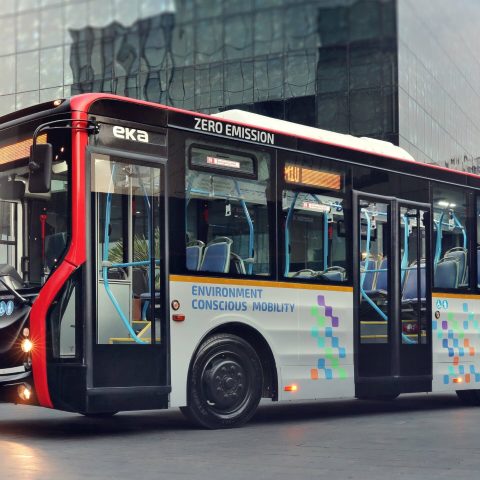
Jakson Green E-Mobility has emerged as the winning bidder in a CESL tender for the deployment of 220 electric buses across three cities in Gujarat, India, under the government’s PM-eBus Sewa Programme.
The project covers 120 electric buses in Vadodara, 80 in Gandhidham and 20 in Navsari. According to Jakson Green E-Mobility, the fleet will consist of 9-metre air-conditioned electric buses, with procurement, deployment, operation and maintenance covered by a 12-year Gross Cost Contract (GCC). The scope also includes the development and management of the associated charging infrastructure.
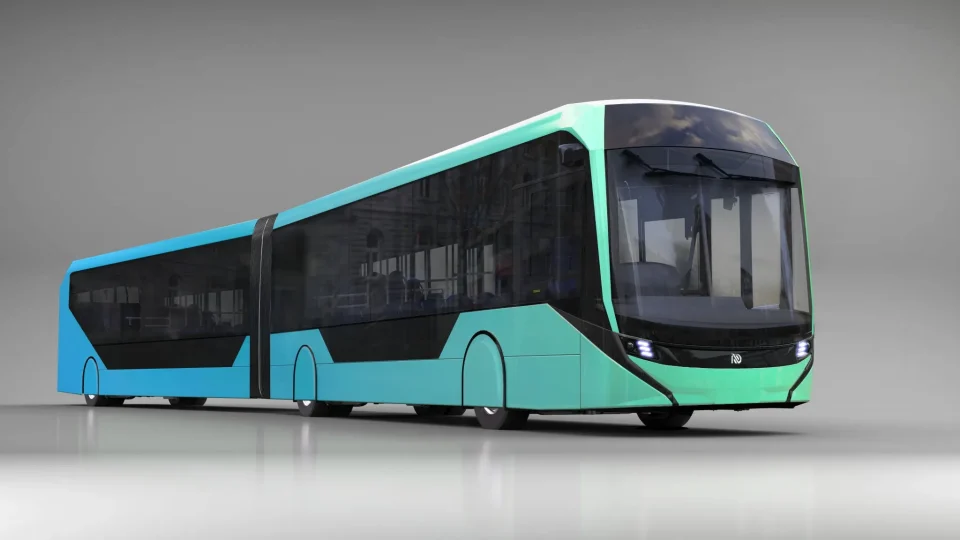
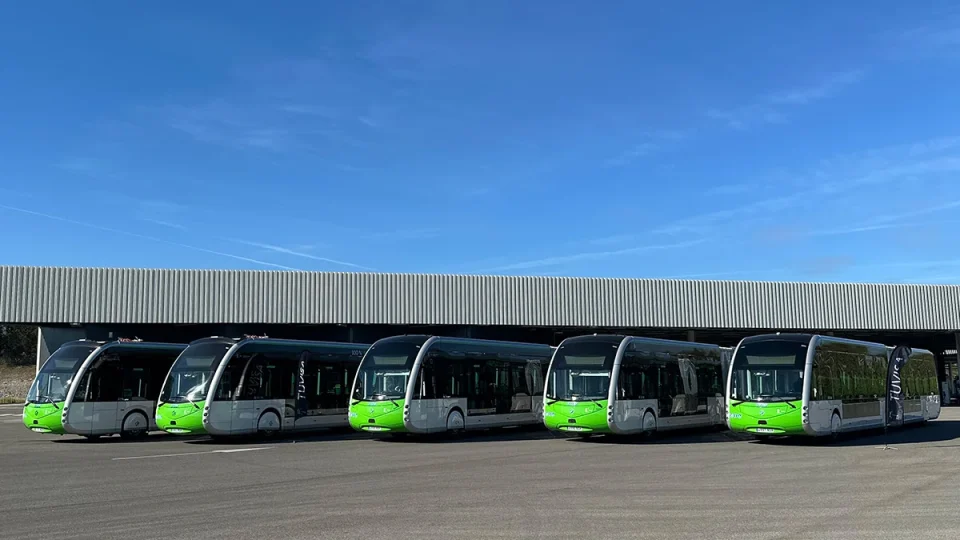
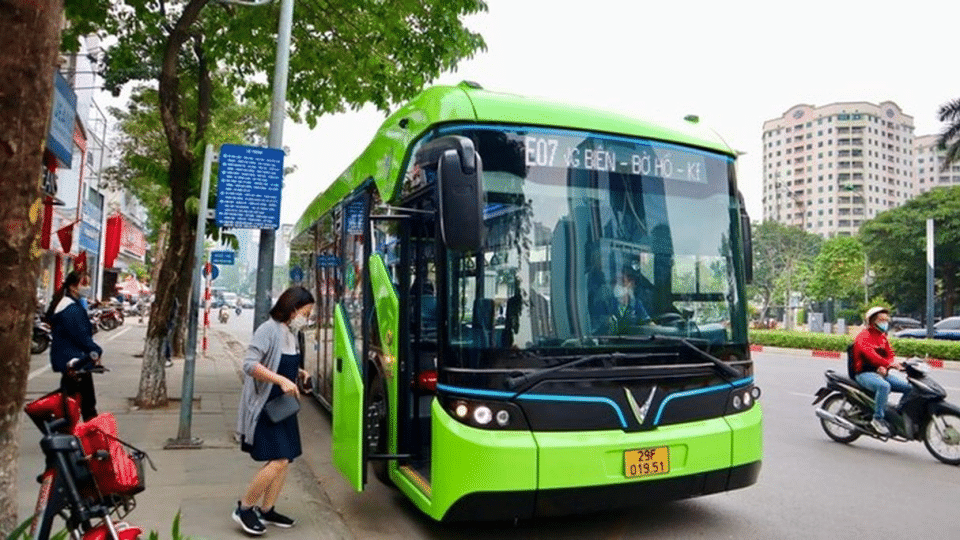
The company announced the tender result on 26 October 2026, within its first year of e-mobility operations. Jakson Green E-Mobility has been selected as the fleet deployment and operating contractor, while the manufacturer of the 220 electric buses has not been identified. The manufacturer of the 220 electric buses has not been identified. The accompanying image has been selected solely to illustrate a 9-metre electric bus and does not indicate or imply any connection between the vehicle brand shown and the Gujarat project.
Within India’s CESL procurement framework, in Delhi, Switch Mobility secured an order for 840 electric buses from Antony Road Transport Solutions, the operator selected under the CESL PM E-Drive tender. Another 650 electric buses were ordered from Switch Mobility by Sai Green Projects, the selected operator for deployments in Mumbai and Pune.
Jakson Green E-Mobility to deploy 220 electric buses in Gujarat
The project falls under the Government of India’s PM-eBus Sewa Programme, which supports the deployment of electric buses in urban public transport. CESL, or Convergence Energy Services Limited, has previously managed several large-scale electric bus procurement programmes in India. In 2022, the agency organised a 5,450-electric-bus tender under the Grand Challenge initiative, based on aggregated demand and long-term contracts.
More recently, CESL launched a tender for 10,900 electric buses in June 2025 under the PM E-DRIVE programme, covering Bengaluru, Delhi, Hyderabad, Ahmedabad and Surat. In January 2026, the agency issued a further tender covering 6,230 electric buses under PM E-DRIVE and Delhi’s public transport programme. This procurement comprises 2,900 vehicles under PM E-DRIVE Tender-II and 3,330 buses for Delhi, with provisions for depot electrification, charging infrastructure and long-term operations. Among the other contracts awarded within the CESL framework, EKA Mobility and GreenCell Mobility received a Letter of Award for 915 electric buses in Hyderabad in March 2026. That project includes 100 nine-metre buses and 815 twelve-metre standard-floor non-air-conditioned vehicles.
All vehicles in the tender awarded to Jakson Green E-Mobility are specified as 9-metre air-conditioned electric buses. No additional technical specifications have been released.
According to Jakson Green E-Mobility, the project includes the procurement and deployment of the vehicles, together with their operation and maintenance throughout the contractual period. The company will also be responsible for developing, operating and maintaining the charging infrastructure serving the three fleets.
The project will be implemented under a 12-year Gross Cost Contract, covering the procurement, deployment, operation and maintenance of the 220 electric buses.
Jakson Green E-Mobility’s responsibilities also extend to the charging infrastructure associated with the fleets in Vadodara, Gandhidham and Navsari.
The company describes its e-mobility activities as encompassing electric bus and commercial vehicle fleet deployment, charging infrastructure, operations and lifecycle maintenance.
According to Jakson Green E-Mobility, the Gujarat award was secured less than one year after the beginning of its e-mobility operations. .
In brief
- How many electric buses will Jakson Green E-Mobility deploy?
The project covers 220 electric buses across three cities in Gujarat. - Which cities are included?
Vadodara will receive 120 buses, Gandhidham 80 and Navsari 20. - Which company will manufacture the electric buses?
The bus manufacturer has not been disclosed, and no OEM supply contract has been confirmed. - What is the duration of the contract?
The 12-year GCC covers procurement, deployment, operations, maintenance and charging infrastructure.
Deepak Thakur, Chief Executive Officer of Jakson Green E-Mobility, said: “Securing this 220-electric-bus order within our first year of e-mobility operations is an important milestone, reflecting our commitment to building a long-term presence in providing integrated ecosystem approach in electric vehicles for public and commercial transportation solutions. By integrating electric buses, charging infrastructure and fleet operations, we aim to deliver safe, reliable and efficient mobility solutions for the people of Vadodara, Gandhidham and Navsari. This project strengthens our contribution to India’s energy transition by extending it into everyday urban mobility.”