IVECO BUS Academy: turning innovation into operational performance for customers
IVECO BUS Academy supported more than 6,500 participants through classroom training sessions across Europe in 2025, with around two-thirds of its courses now dedicated to electric vehicles. The Academy’s activities cover multi-energy expertise, with a strong focus on electromobility and include, among others, the following topics: locally organized training adapted to customer operations, technical skills for vehicles, training quality monitoring, and the use of virtual reality for selected procedures. Through these activities, the IVECO BUS Academy supports service networks, dealers, technicians and internal teams, playing a key role in the broader IVECO BUS service ecosystem.
Sponsored by IVECO BUS
IVECO BUS Academy supported more than 6,500 participants through classroom training sessions across Europe in 2025, with around two-thirds of its courses now dedicated to electric vehicles.
The Academy’s activities cover multi-energy expertise, with a strong focus on electromobility and are structured around four main areas: locally organized training adapted to customer operations, technical skills for vehicles, training quality monitoring, and the use of virtual reality for selected procedures. These activities are aimed at service networks, dealers, technicians, drivers and internal teams and form part of the IVECO BUS service ecosystem.
Training programmes tailored to every technology – conventional powertrains to battery-electric and hydrogen technologies – include training related to high-voltage systems, diagnostics, maintenance and safety procedures. Courses are structured according to customer requirements and fleet composition, with technical content covering the different technologies available across the manufacturer’s range. The practice-oriented programmes combine theoretical content with hands-on training and also cover key areas such as electrical systems, chassis and brakes, onboard systems and Advanced Driver Assistance Systems (ADAS). Dedicated ADAS training helps workshop technicians and drivers build the expertise required to use, diagnose and maintain increasingly sophisticated assistance systems, supporting correct vehicle operation and helping to avoid unnecessary downtime.
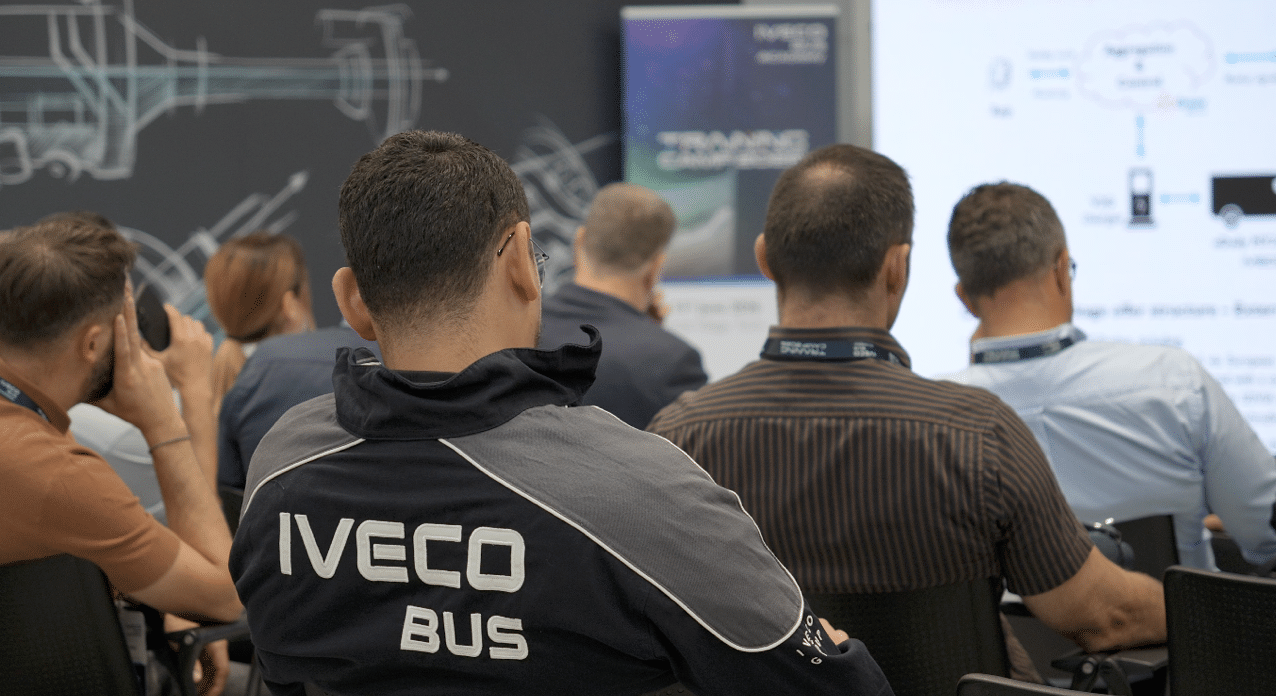
IVECO BUS Academy trained more than 6,500 participants
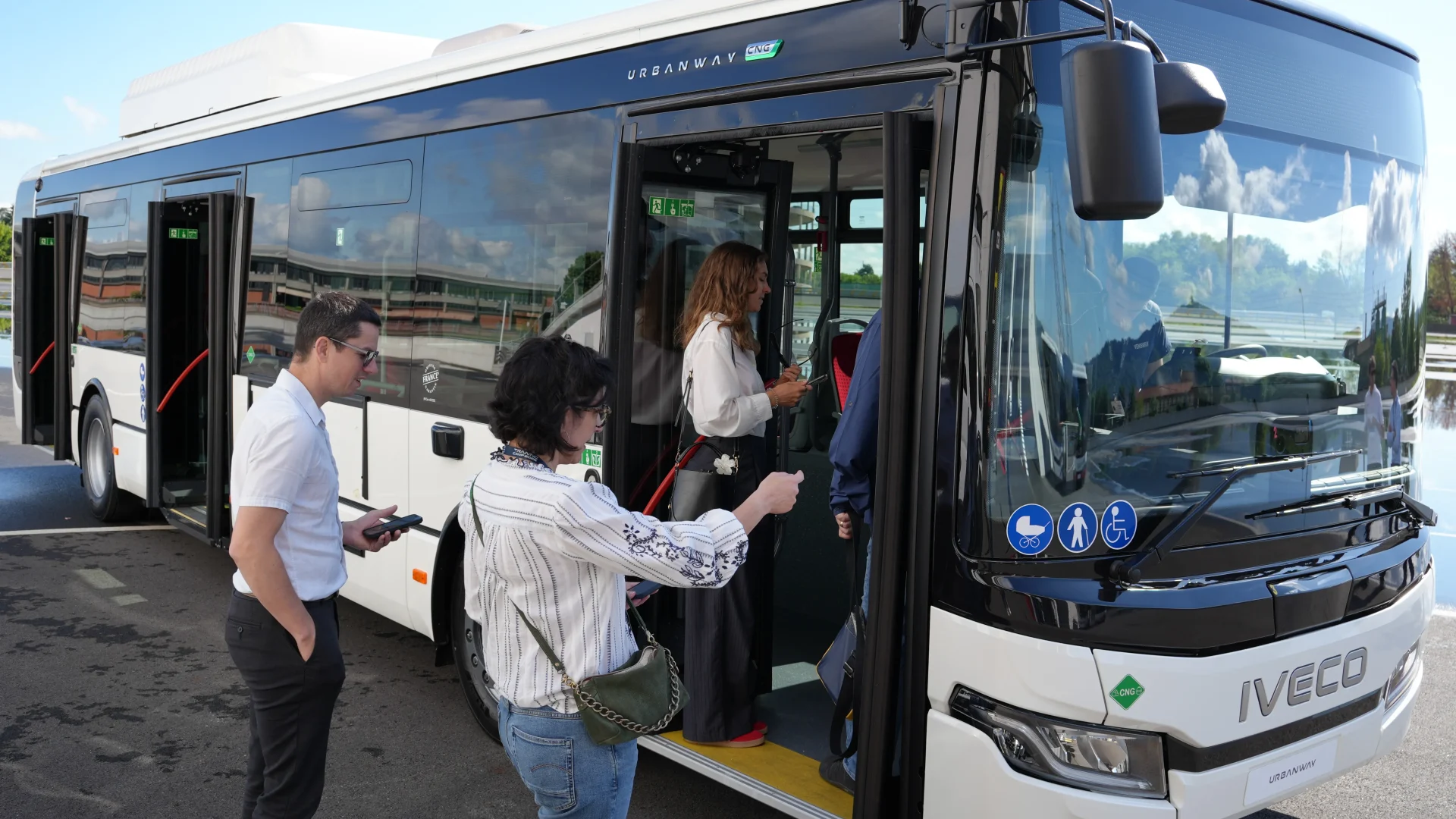
IVECO BUS Academy operates through a zone-based organization across Europe, with trainers providing activities close to customers’ operations. Training programmes can be adapted to fleet composition, workshop requirements, operating conditions and the level of experience of individual organizations with electric mobility. Delivered by experienced IVECO BUS experts, the portfolio combines in-person sessions with digital learning formats, including e-learning, virtual classrooms and virtual or augmented reality for selected courses. By strengthening vehicle handling, maintenance and repair capabilities, this tailored approach supports long-term operational efficiency, higher uptime and improved total cost of ownership (TCO).
Technical training modules achieve an average CSI score above 9.3 out of 10, with particularly high satisfaction regarding the quality and expertise of the trainers confirming that they fully meet the expectations
In brief
- How many participants attended IVECO BUS Academy classroom training in 2025?
More than 6,500 participants attended classroom sessions across Europe. - How much of the training activity concerns electric vehicles?
IVECO BUS says around 2/3 of Academy training courses are currently dedicated to electric vehicles. - Which technologies are covered by the Academy?
The programmes provide practice-oriented technical training across Europe to boost uptime, safety and operational efficiency — from conventional powertrains to electric technologies.
The training activities are designed for different professional profiles involved in vehicle operation and maintenance, including service networks, dealer organizations, workshop technicians and drivers.
IVECO BUS states that its locally organized approach is designed to allow training content to be matched with the vehicles, technologies and procedures encountered by individual customer organizations.
The programmes address electrical authorizations required for work on electric vehicles, diagnostics and safety procedures for electric drivetrains, together with maintenance principles and procedures associated with high-voltage systems.
Safety procedures related to electric technologies are also included in the training portfolio. The courses cover the operational and maintenance procedures associated with battery electric and hydrogen-powered vehicles alongside the other propulsion technologies available in the IVECO BUS range.
The technical modules are designed to provide customer teams with the procedures required for diagnostics, maintenance and intervention on these vehicles, including the applicable safety rules.
Virtual reality enters IVECO BUS training
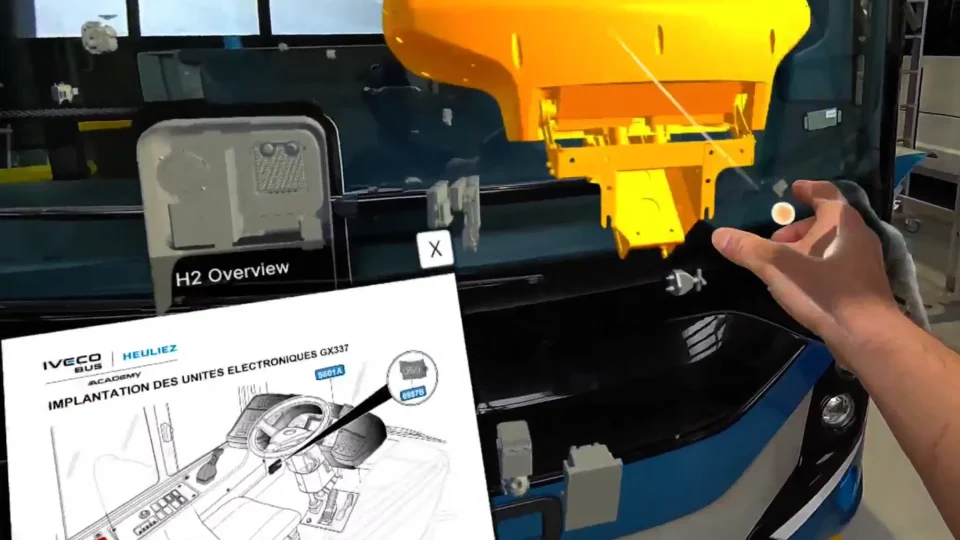
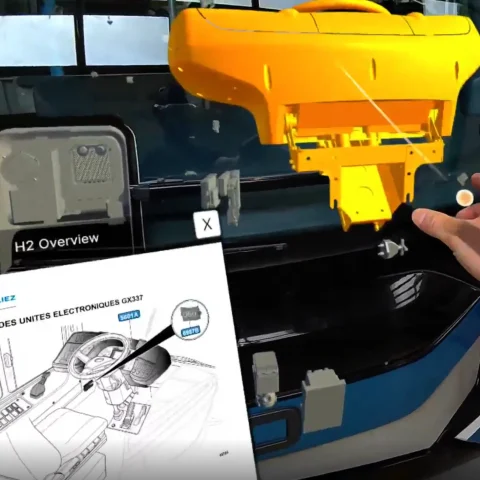
Virtual reality is also used in selected IVECO BUS Academy programmes, particularly those concerning electric vehicle technologies.
The system allows participants to practise procedures in a virtual environment before carrying out the corresponding intervention on a vehicle. The technology is used for complex or safety-sensitive operations where training can be performed without physical interaction with the vehicle or its components.
According to IVECO BUS, virtual reality is used as a complementary training tool rather than as a replacement for conventional classroom and practical activities. The company says the format gives participants access to procedures and scenarios that can be difficult or infrequent to reproduce during conventional training sessions.
The virtual environment allows incorrect procedures to be performed during training without consequences for personnel or equipment, before participants move to interventions on actual vehicles.