Savona (Italy) rolls out 7 electric buses and prepares tender for 20+ low and zero emission vehicles
In the Italian city of Savona, the public transport operator TPL Linea is set to deploy seven additional battery-electric buses in early 2026 as part of its ongoing fleet electrification programme. In Savona, on Liguria sea coast, local public transport operator TPL Linea continues to advance the transition towards zero-emission mobility. The company introduced its […]
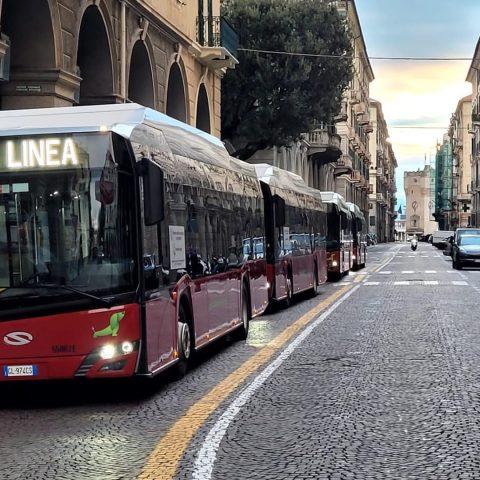
In the Italian city of Savona, the public transport operator TPL Linea is set to deploy seven additional battery-electric buses in early 2026 as part of its ongoing fleet electrification programme.
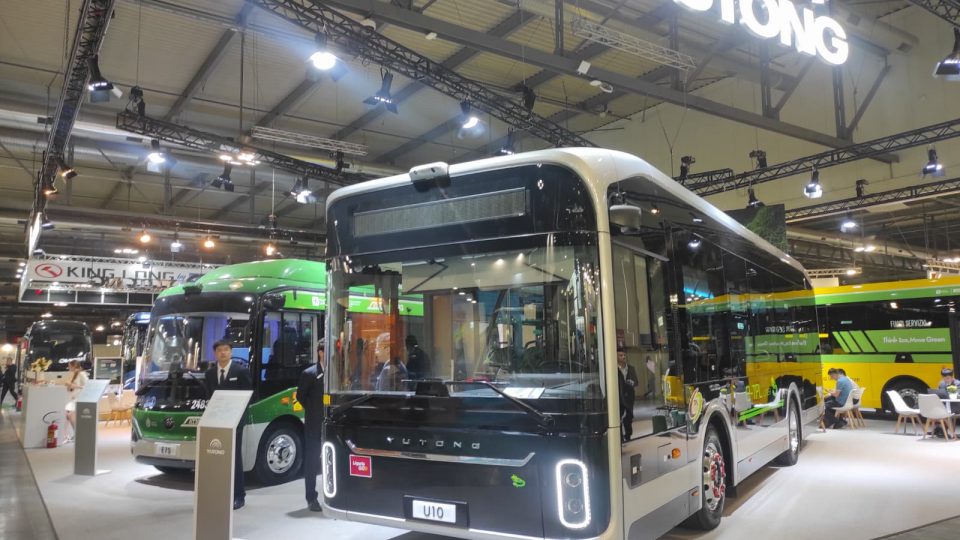
In Savona, on Liguria sea coast, local public transport operator TPL Linea continues to advance the transition towards zero-emission mobility. The company introduced its first electric bus in October 2023, marking its entry into electric operations, and accelerated the process in March 2024 with the delivery of 14 additional battery-electric vehicles sourced from Solaris and Yutong.
Savona to introduce further electric buses
At the start of 2026, TPL Linea is now preparing to place seven more battery-electric buses into service in the coming weeks. According to Italian trade media (and our sister platform) Autobusweb, six of the vehicles will be assigned to regular line services—covering 9-, 10- and 12-metre segments—while one unit will be allocated to charter operations.
The electrification programme is embedded in a broader fleet renewal strategy. During 2026, the operator also plans to retire its ageing Euro III buses. As reported, TPL Linea is expected to launch a new tender for the supply of a total of 22 vehicles powered by electricity and natural gas, including both CNG and LNG models.
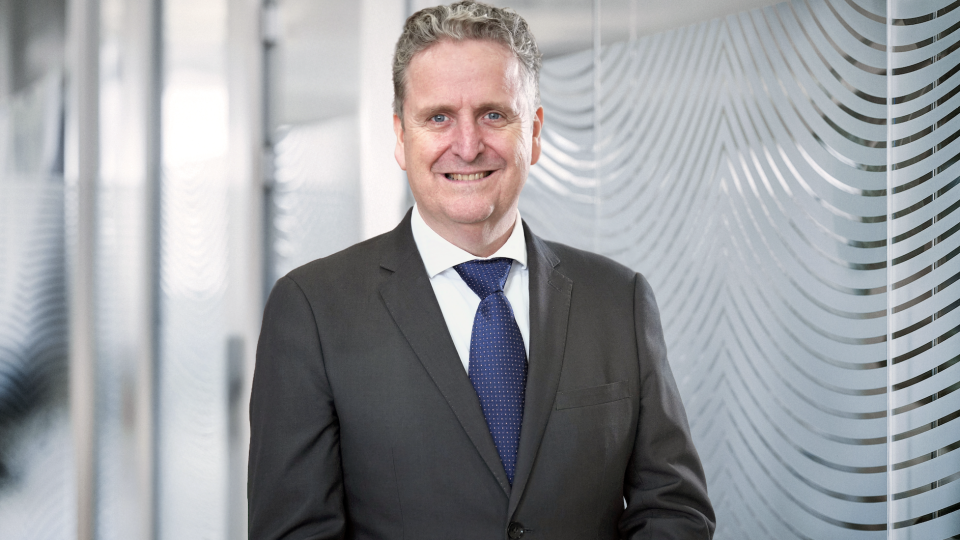
“The approval of the update to the Industrial Plan confirms the continuity of the path undertaken by TPL Linea and the sharing of strategic objectives by the shareholders. Investments in electric vehicles and infrastructure represent a concrete and responsible choice oriented towards sustainable development,” said Vincenzo Franceri, President of TPL Linea.
Giampaolo Rossi, Managing Director of TPL Linea, added: “The introduction into service of the new electric buses is the result of planning and innovation work: these vehicles will make it possible to further improve service quality, reduce environmental impact and guarantee high standards of comfort and safety for passengers and operators, in line with regulations and the future challenges of mobility.”