India, Uttar Pradesh rolls out 45 electric buses, 3 hydrogen buses and new Noida depot
By Usha Sandhya Uttar Pradesh Hon. Chief Minister Yogi Adityanath flagged off 45 new electric buses and 3 hydrogen-powered buses of the Uttar Pradesh State Road Transport Corporation (UPSRTC) and inaugurated the Noida Electric Bus Depot on 12 June 2026. The new fleet will serve Noida, Greater Noida, the Yamuna Expressway Industrial Development Authority (YEIDA) […]
By Usha Sandhya
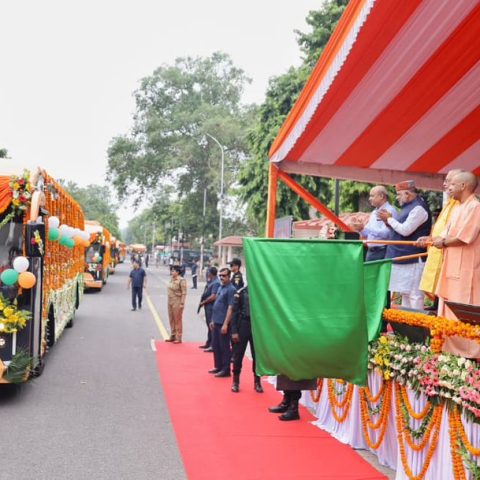
Uttar Pradesh Hon. Chief Minister Yogi Adityanath flagged off 45 new electric buses and 3 hydrogen-powered buses of the Uttar Pradesh State Road Transport Corporation (UPSRTC) and inaugurated the Noida Electric Bus Depot on 12 June 2026.
The new fleet will serve Noida, Greater Noida, the Yamuna Expressway Industrial Development Authority (YEIDA) region, and the upcoming Noida International Airport at Jewar.
The initiative, based on information from UPSRTC & CMO Office, Government of Uttar Pradesh, is aimed at enhancing regional connectivity while providing cleaner, safer, and more environmentally friendly transport services. The newly introduced buses are expected to significantly improve last-mile connectivity for passengers travelling to residential, commercial, industrial, and airport destinations across the National Capital Region.
The project is being operated under a Memorandum of Understanding (MoU) signed between UPSRTC, Noida Authority, Greater Noida Industrial Development Authority (GNIDA), and the Yamuna Expressway Industrial Development Authority (YEIDA).
UPSRTC zero emission buses, further 100 are coming
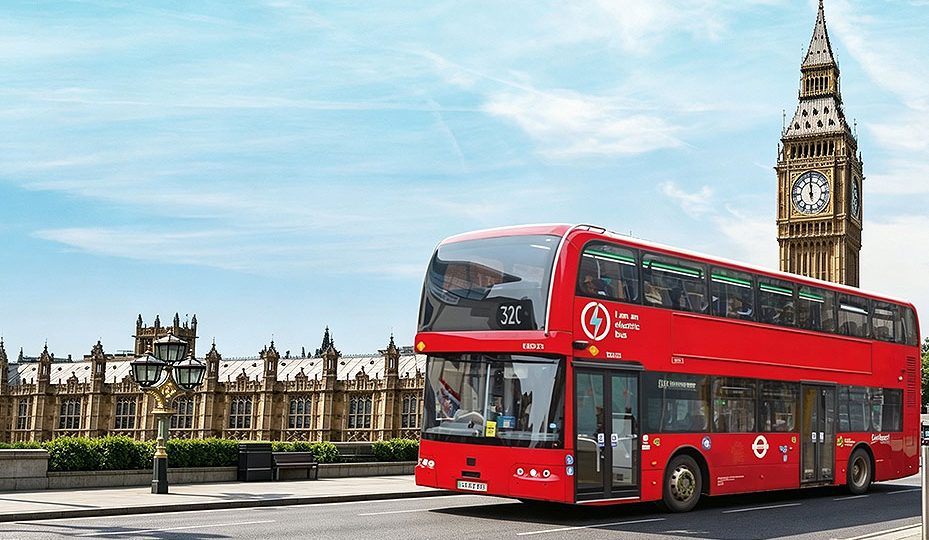
Under the current rollout plan, 34 buses have been deployed across Noida, Greater Noida, and the YEIDA region, with 11 buses allocated to Lucknow. A total of 100 electric buses, including 10 double-decker electric buses, are already prepared for deployment from the Sector-90 depot, equipped to support both urban and intercity travel.
A key focus of the programme is connectivity to the upcoming Noida International Airport at Jewar. Several bus routes will directly connect the airport with major urban centres including Botanical Garden, Sector-62, Greater Noida West, Surajpur, Pari Chowk, Sarai Kale Khan, Anand Vihar, Ghaziabad, and ISBT. Additional services will connect rural and urban settlements within the YEIDA region.
Passenger fares have been set as follows: ₹20 for up to 10 km, ₹30 for 10 to 30 km, and ₹50 for distances beyond 30 km.
The first of hydrogen fuel cell buses in Uttar Pradesh
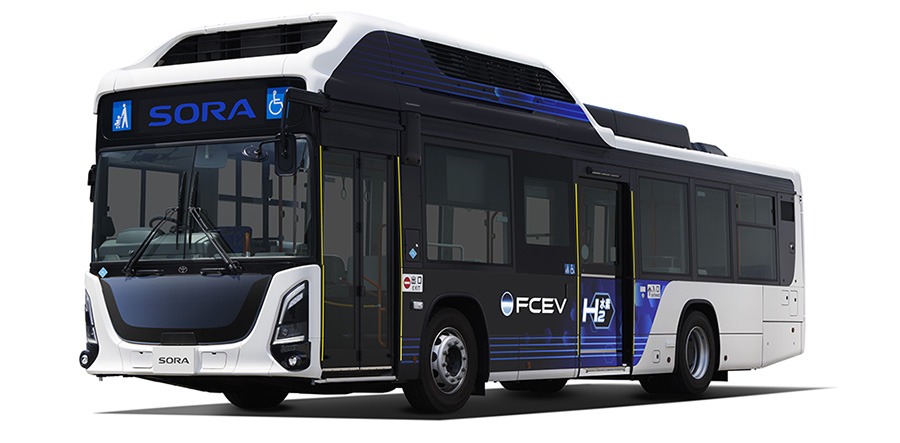
Three hydrogen fuel cell buses, provided by NTPC, have been introduced in the Yamuna Authority area and will operate in the vicinity of Jewar Airport. These represent one of the first hydrogen-powered public transport initiatives in Uttar Pradesh. The hydrogen buses are expected to contribute towards reducing emissions while promoting advanced clean mobility technologies.
Noida electric bus depot launched
The Noida Electric Bus Depot will function as a key operational hub for charging, maintenance, fleet management, and route operations, supporting the expansion of electric mobility across western Uttar Pradesh. The depot features high-speed chargers capable of fully charging buses in approximately two hours, ensuring reliable daily operations. The facility is expected to play a vital role in supporting future fleet expansion and operational efficiency.
The Chief Minister noted that metro rail services are now operational in seven cities across Uttar Pradesh, while more than 700 electric buses are currently operating across 17 municipal corporations. Electric buses are now being manufactured within the state through newly established e-bus manufacturing facilities, reducing dependence on external procurement.
CM Yogi also highlighted that the state now possesses nearly four lakh kilometres of road network, including some of India’s most extensive expressway systems. Uttar Pradesh has emerged as a major centre for IT, electronics manufacturing, data centres, startups, semiconductors, and industrial investment, particularly across the Noida-Greater Noida-YEIDA growth corridor. Enhanced public transport connectivity is expected to support continued economic development and workforce mobility in the region.