From vehicle procurement to system architecture: IMC Trolleybus Conference heads to Lyon on 11–13 November
The 9th International IMC Trolleybus & eBRT2030 Conference will take place in Lyon, France, on 11–13 November, focusing on integrated electric bus systems, infrastructure planning, energy management and the economic assessment of different electrification strategies. Organized by trolley:motion and UITP, the conference will bring together public transport authorities, operators, researchers and industry representatives to examine […]
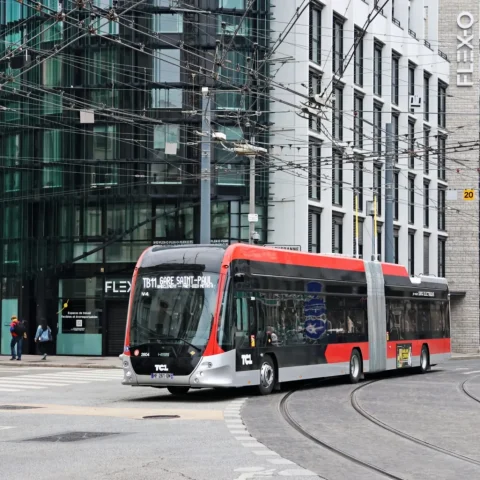
The 9th International IMC Trolleybus & eBRT2030 Conference will take place in Lyon, France, on 11–13 November, focusing on integrated electric bus systems, infrastructure planning, energy management and the economic assessment of different electrification strategies.
Organized by trolley:motion and UITP, the conference will bring together public transport authorities, operators, researchers and industry representatives to examine the relationship between vehicles, charging infrastructure, energy supply and operations.
According to the organizers, the event will address a central question in electric bus deployment: how to define the boundaries of a transport system when comparing different technologies, infrastructure investments and operating models. The programme includes case studies from Prague, Pescara, Verona, Nancy, St. Gallen, Arnhem, Gdynia, Shanghai, Winterthur and Medellín, alongside technical sessions on battery development, infrastructure costs, smart charging, procurement and financing.
The conference will be held at the Novotel Lyon Bron Eurexpo, with technical sessions scheduled for 12 and 13 November and a site visit to Lyon’s IMC trolleybus system included in the final day’s programme.
Registration information is available on the official Lyon 2026 conference page.
trolley:motion conferences focuses beyond vehicle procurement
The conference programme addresses the relationship between vehicle technology and the wider infrastructure required for electric public transport operations.
Depot charging, opportunity charging and In-Motion Charging (IMC) represent different approaches to distributing energy storage, charging capacity and electrical infrastructure between vehicles, depots and routes.
According to trolley:motion, the Lyon conference will examine these questions through infrastructure studies, operational experience and technical comparisons. The first conference day, on 12 November, is dedicated to the conditions under which IMC trolleybuses and other electric bus configurations can be implemented in urban transport networks.
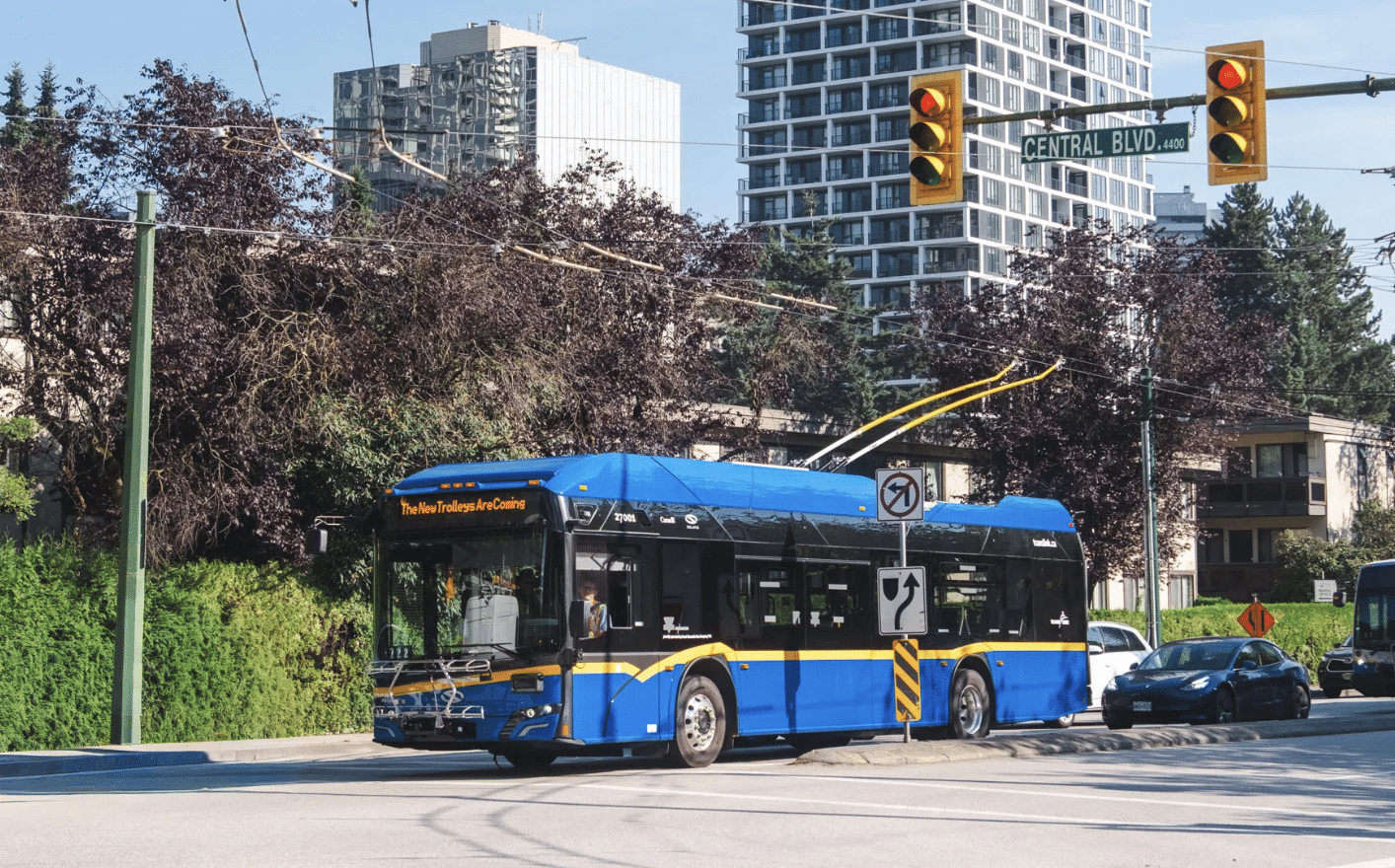
The opening programme includes a presentation by Kevin Plimbley of TransLink on the transformation of the Vancouver trolleybus system and a keynote by Magalie Campmas of SYTRAL Mobilités on Lyon’s implementation of electric bus corridors, including IMC trolleybuses.
Infrastructure planning will be addressed by Arnd Stephan of TU Dresden, while Kay Axhausen of ETH Zürich will discuss mobility planning beyond current projects.
A further presentation by Alex Naef of Carrosserie Hess and Patrik Hatzig of Métropole Grand Nancy will examine the system design of IMC corridors through the example of Nancy.
Prague, Pescara and Verona: different approaches to e-bus corridors
Several projects included in the conference programme address electric bus electrification at corridor and network level.
Prague will be presented by Jan Barchanek of DPP in a session dedicated to IMC and the European eBRT2030 project.
The Prague demonstration concerns a high-demand airport corridor operated with bi-articulated trolleybuses combining overhead power supply and battery operation. Approximately 55–60% of the route is equipped with overhead infrastructure. Within eBRT2030, the parameters under examination include charging power, peak electrical loads, energy consumption, battery lifetime and capital and operating expenditure. The demonstration addresses the interaction between vehicle capacity, intensive utilisation, battery operation and the distribution of overhead infrastructure along the route.
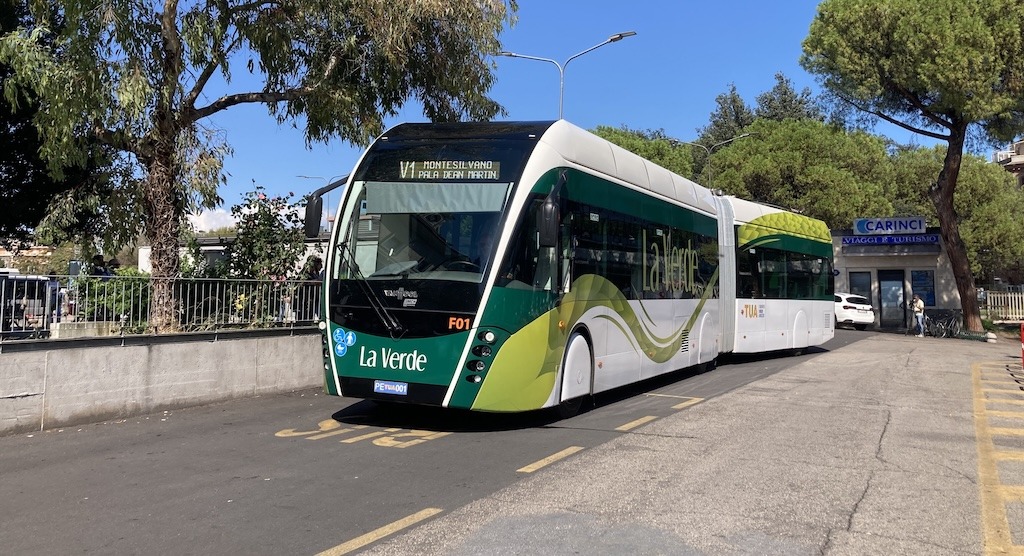
On 13 November, Maxmilian Di Pasquale, General Manager of TUA Abruzzo, will present the Pescara IMC system. The city’s La Verde corridor, connecting Pescara and Montesilvano, combines a largely segregated alignment with electric infrastructure and In-Motion Charging.
Verona will be the subject of another presentation dedicated to the planning of a new electric bus corridor. The city’s trolleybus development provides a case for examining the different useful lives of vehicles, batteries, power electronics and fixed infrastructure.
eBRT2030, battery lifetime and energy management in electric bus operations
The European eBRT2030 framework also provides examples of different electric bus operating and charging configurations.
In addition to Prague, the project includes demonstrations in Athens and Rimini, addressing different aspects of electric bus infrastructure and operation.
In Athens, the demonstration investigates a hybrid charging concept combining existing trolleybus overhead infrastructure with depot charging and battery-electric buses capable of using the electrical network for opportunity charging. Digital-twin applications and energy management are also included in the project, covering operational variables, passenger demand and electricity consumption.
In Rimini, the demonstration concerns the existing MetroMare corridor between Rimini and Riccione. The work addresses predictive maintenance, battery lifetime, Total Cost of Ownership, active safety, real-time passenger counting and the adaptation of operations to passenger demand.
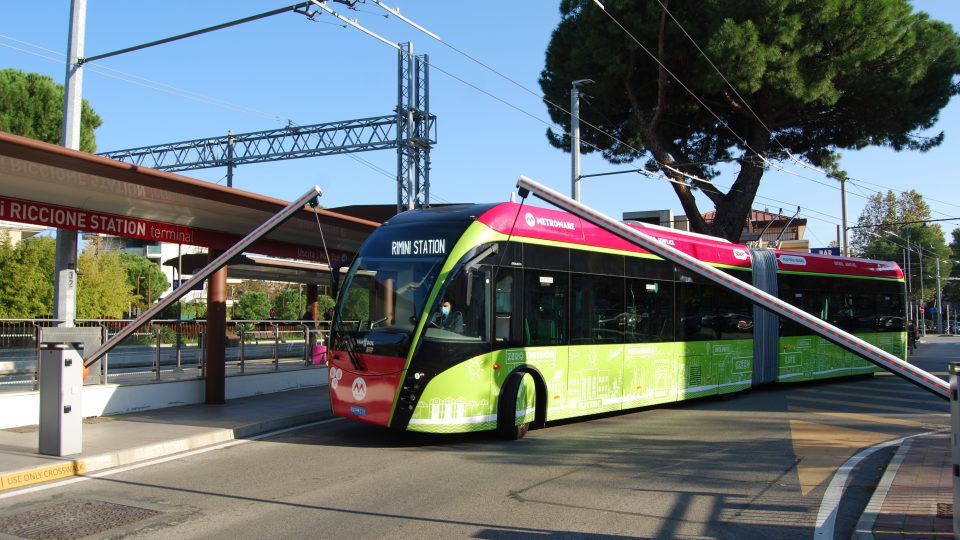
The Lyon conference programme includes eBRT2030 among its participating European projects, with a dedicated Prague presentation and an open-space discussion format associated with the project.
Energy management and operational performance will also feature in presentations on other European trolleybus networks.
Fawzi Fattel of Kummler+Matter will discuss the development of the St. Gallen network, while Jan Röhl of Kruch Railway Innovations will present simulation-based planning through the Gdynia case. Ibrahim Diab of Innoveho will address smart-grid integration in IMC systems through the Arnhem example.
A separate technical block will cover battery technology and the costs of electrification. Dirk Uwe Sauer of RWTH Aachen will provide an update on battery developments, followed by Thoralf Knote of Fraunhofer IVI on depot and infrastructure costs.
The programme also includes Philipp Sinhuber of ebusplan on planning mistakes in electric bus projects and Hermann von Kleist of Fraunhofer IVI on smart charging for trolleybus fleets, with particular attention to peak shaving and service reliability.
From fleet electrification to network planning
The second conference day will concentrate on implementation, governance and financing, with case studies extending beyond European trolleybus networks.
Presentations will cover electric bus system expansion in Shanghai, with Edward Chen of Sunwin; Winterthur, with Bruno Schwager of Stadtbus Winterthur; and Medellín, with Andres Emiro Diez Restrepo of UPB.
According to the organizers, the programme will examine how infrastructure, vehicle procurement and financing can be coordinated within long-term electric public transport projects.
A dedicated session will address financing models and procurement requirements. Tali Trigg of the European Bank for Reconstruction and Development (EBRD) will present the institution’s perspective on financing electric public transport, while Christoph Schaafkamp of KCW will discuss financing models and market conditions.
Gabriele Grea of Redmint will address tender specifications supporting long-term system performance. Peter Brandl of Bracon will present the results of a joint trolleybus procurement tender, and Maria Natália Paulino Araújo Alcântara of Steer will discuss integrated urban planning for electric bus systems.
The conference will conclude with a session on the preparation of a white paper and a summary of key points, presented by Richard Kayser of VCDB, followed by closing reflections involving representatives of trolley:motion.
The formal conference will end at 13:30 on 13 November. A technical visit to Lyon’s IMC trolleybus system, organized with Keolis, is scheduled from 14:00 to 16:00.