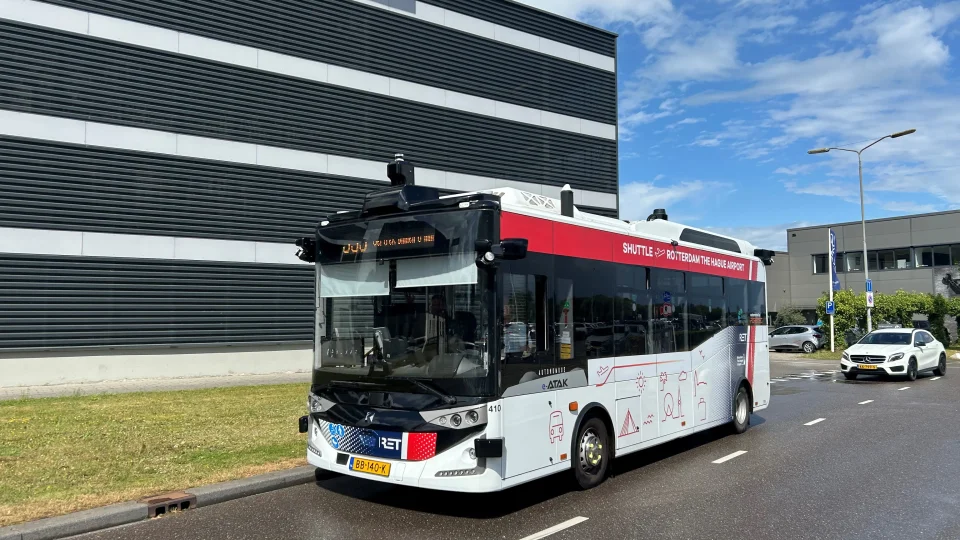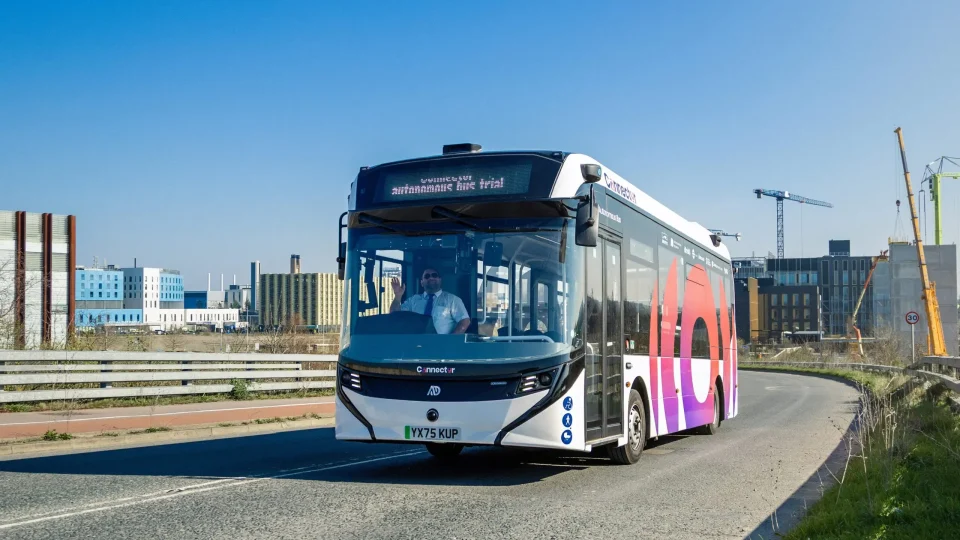
Autonomous Systems is ready to bring autonomous driving to GVB’s depot in Amsterdam
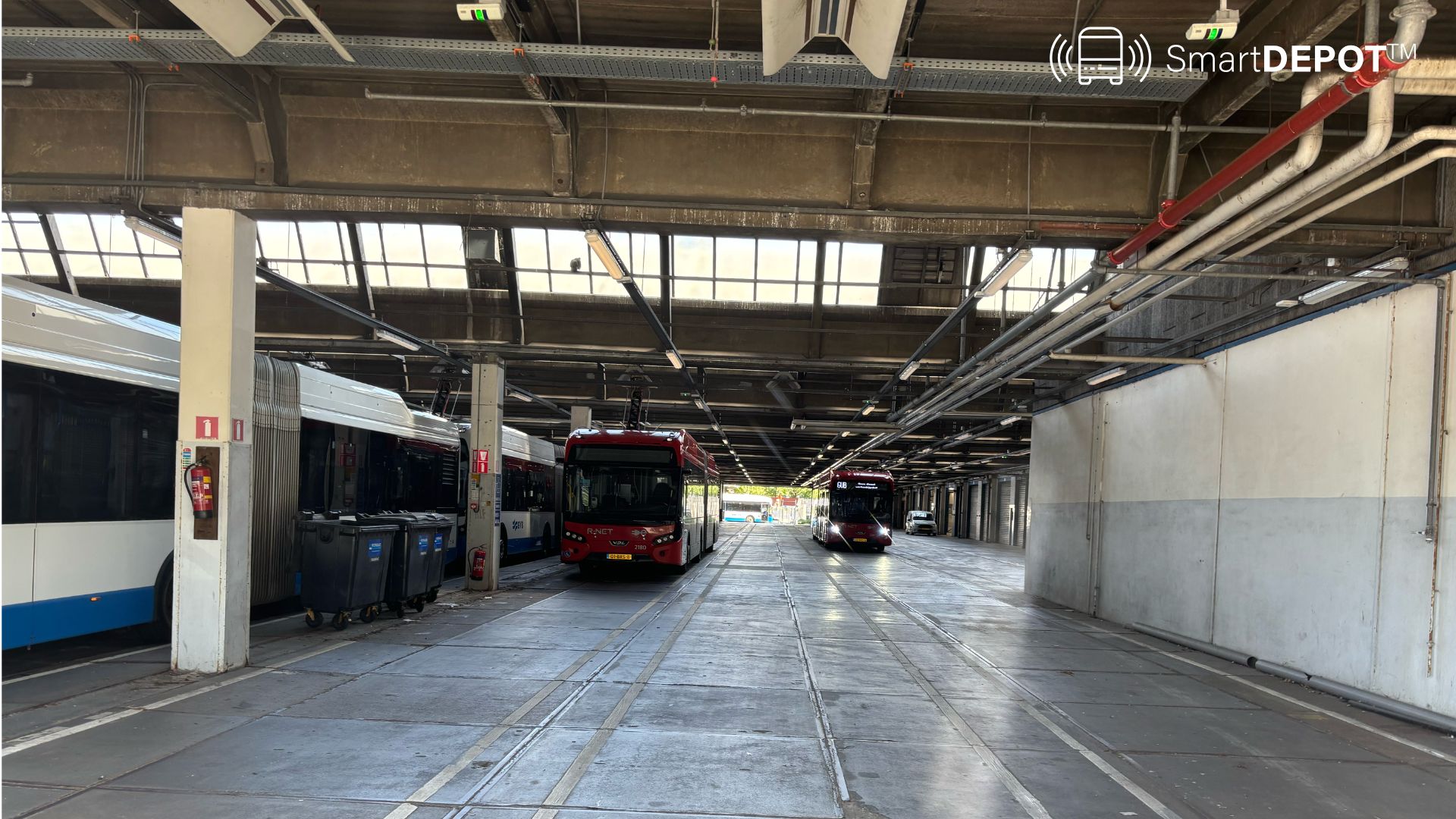
It can be done: Autonomous Systems has conducted an initial readiness assessment at Garage West, one of GVB’s three bus depots in Amsterdam, identifying three types of bus movements that could be suitable for automation: the route through the buffer zone to the parking position under the pantograph, movements to and from the workshop, and […]
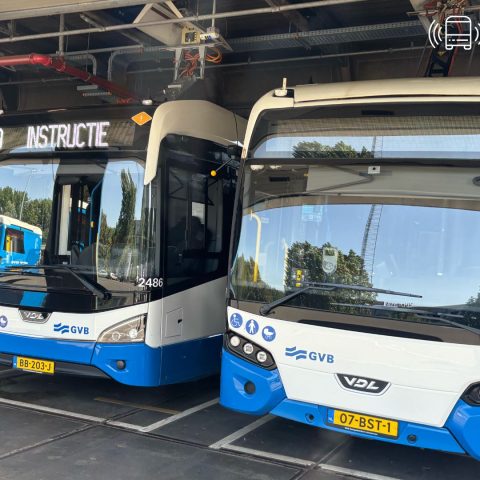
It can be done: Autonomous Systems has conducted an initial readiness assessment at Garage West, one of GVB’s three bus depots in Amsterdam, identifying three types of bus movements that could be suitable for automation: the route through the buffer zone to the parking position under the pantograph, movements to and from the workshop, and end-of-shift manoeuvres.
Smart bus and Smart depot
Autonomous Systems has developed SmartDEPOT, an automated driving system for city buses that introduces autonomous driving in depots first, based on the following concept: every day and every night, bus depots repeat the same short movements. Staff drive the vehicles manually, often in tight spaces. Minor or moderate collisions during these manoeuvres are common in depots across Europe. A smartbus equipped with SmartDEPOT, meanwhile, drives and parks itself inside the depot, with no driver on board.
Autonomous Systems’ solution arrives in Amsterdam
The assessment, called Smartbus Ready, examined whether selected depot movements could potentially be automated using SmartDEPOT technology, specifically:
- The daily movement from the buffer zone through the wash facility to the parking position under the pantograph.
- Workshop call-ups and returns.
- Shunting movements, including end-of-shift repositioning.
In this specific case, the driver would leave the bus just inside the entry gate, and the smartbus would perform all subsequent depot movements autonomously. The depot dispatcher would supervise them through Mission Control, the SmartDEPOT supervisory application.
Charging would start through the pantograph as soon as the smartbus was parked, with no staff involvement. The smartbus would take its instructions from data GVB already maintains: parking positions and vehicle status from GVB’s scheduling platform, through the integration platform that also serves GVB’s charging management system.
According to Autonomous Systems, automated depot movements could offer several potential benefits, including:
- A potential reduction in low-speed collisions.
- More efficient use of depot capacity.
- Reduced time spent by depot staff on routine vehicle movements.
- Operational flexibility between depots where the technology has been implemented.
«Operators across Europe are short of drivers and depot staff, so every depot movement a smartbus makes by itself matters. Rhe depot is where bus autonomy creates value first. Our goal is smartbuses in every depot», said Jan Gramatyka, Co-CEO of Autonomous Systems.
GVB’s depot processes are already fully digital. GVB provided access to the depot and the operational information required for the assessment. The assessment does not constitute a decision by GVB to implement the technology.
The Smartbus Ready assessment
The Garage West study is a Smartbus Ready assessment: a site survey and data analysis carried out before any smartbus operates at the depot. It covers:
- depot layout and work organisation;
- the daily operating routine;
- vehicle service infrastructure;
- manoeuvre complexity;
- organisational and IT readiness;
- the economics of automated depot movements;
- operational risks;
- the national legal framework.
Autonomous Systems has carried out Smartbus Ready assessments for public transport operators across Europe. Operators can start the Smartbus Onboard Program with an assessment of their own depot.