ÖBB Postbus to test Otokar autonomous e-Centro at SAE Level 4 in Austria
ÖBB Postbus has selected Otokar for a pilot project involving a fully electric SAE Level 4 autonomous bus, starting at the European Forum Alpbach before a planned deployment in scheduled service in Wolfurt. The Austrian public transport operator is introducing Otokar’s Autonomous e-Centro as part of a project focused on testing automated driving technology in […]
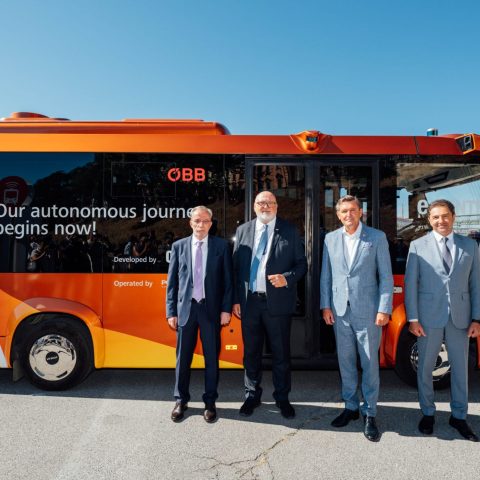
ÖBB Postbus has selected Otokar for a pilot project involving a fully electric SAE Level 4 autonomous bus, starting at the European Forum Alpbach before a planned deployment in scheduled service in Wolfurt.
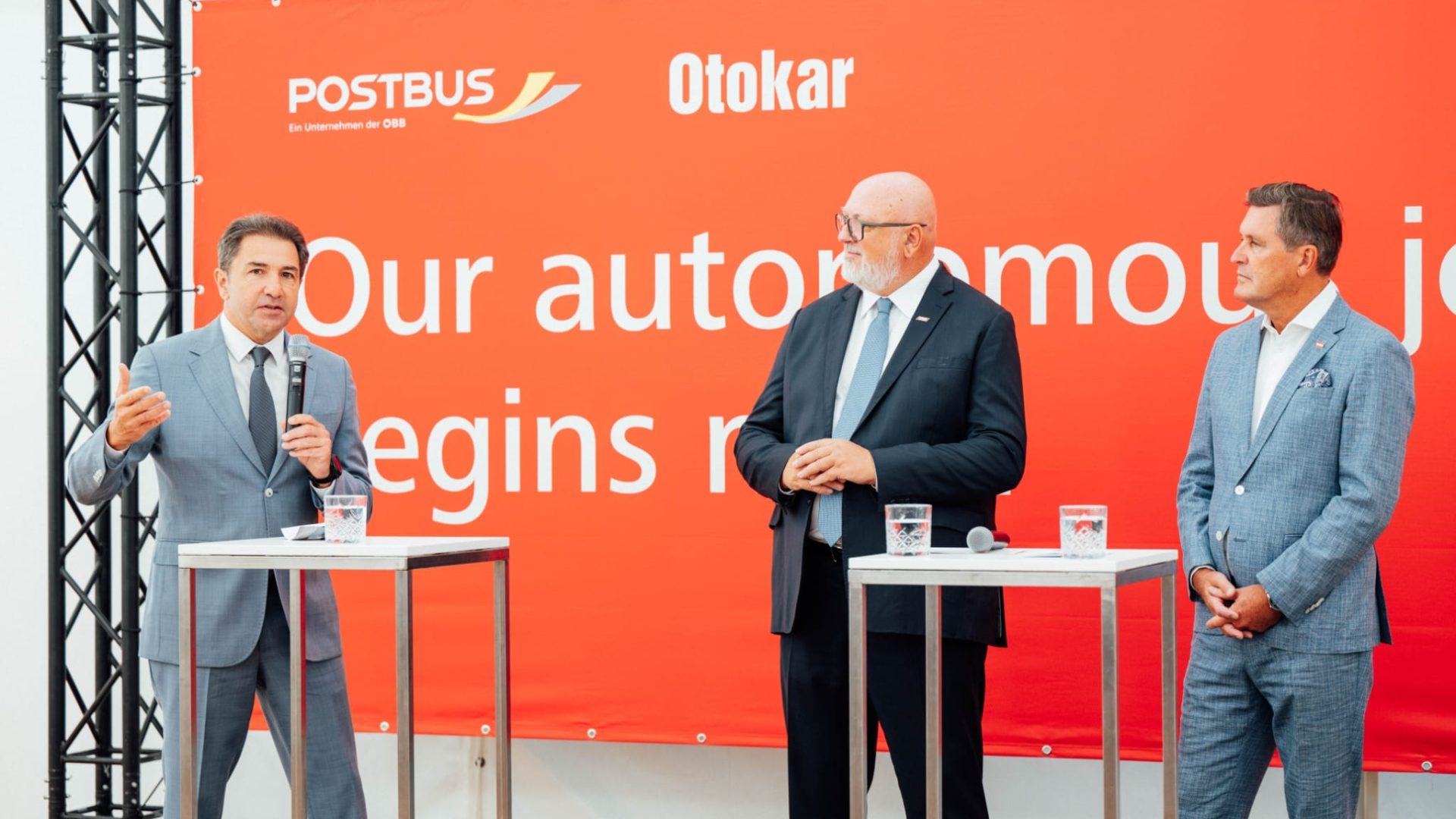
The Austrian public transport operator is introducing Otokar’s Autonomous e-Centro as part of a project focused on testing automated driving technology in public transport operations. The vehicle was presented at a press conference in Vienna on 13 August and will begin pilot operation during the European Forum Alpbach 2026, scheduled from 24 August to 4 September.
The project will initially operate with a safety driver on board. Following the Alpbach pilot, ÖBB Postbus plans to deploy the autonomous electric bus at the Campus Wolfurt industrial park, where it is intended to provide a connection between companies located at the campus and the S-Bahn network.
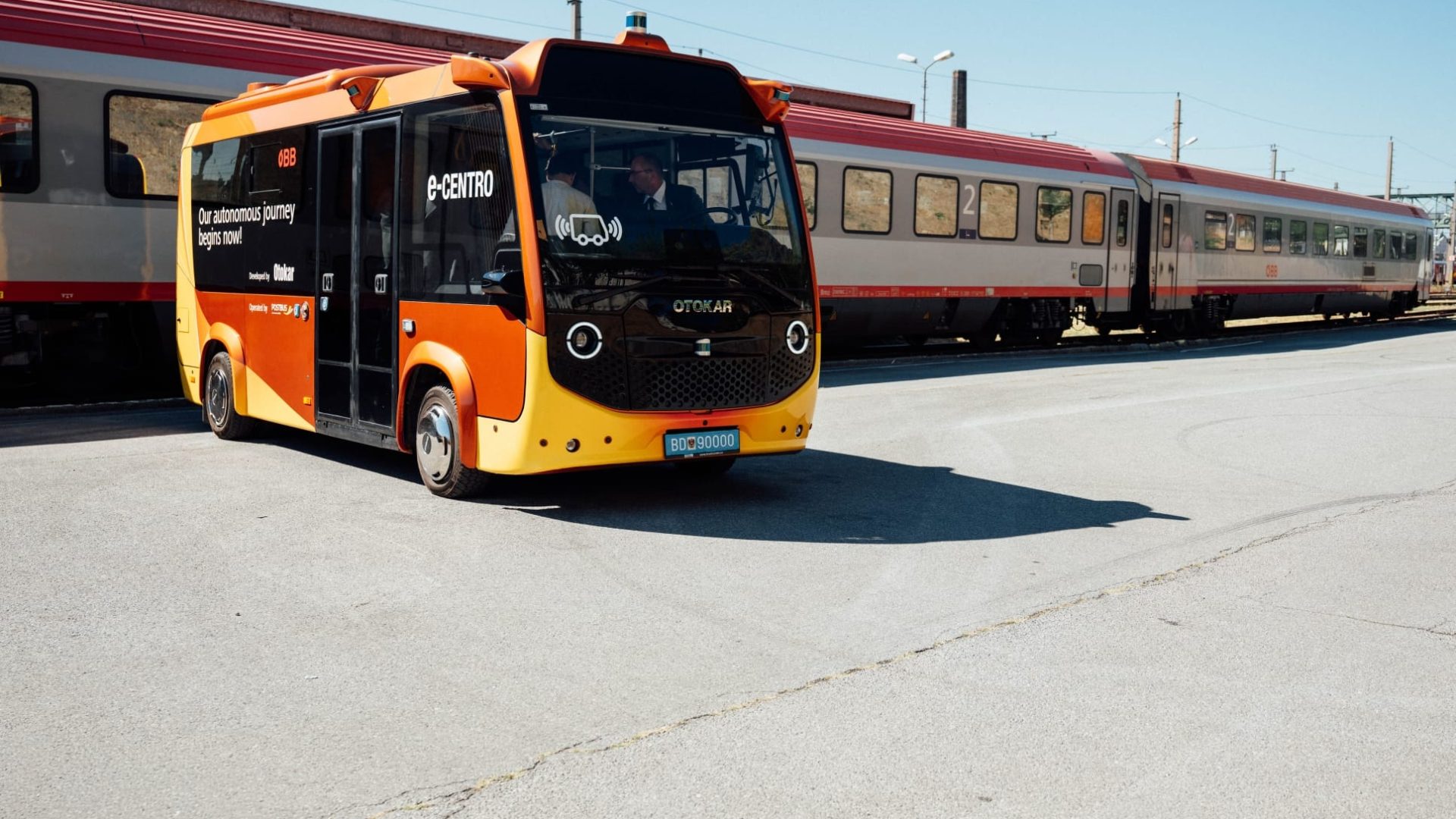
ÖBB Postbus and Otokar launch SAE Level 4 autonomous bus pilot
The Autonomous e-Centro is equipped with SAE Level 4 automated driving technology. At this level, the vehicle can perform the driving task autonomously within a defined operational area. ÖBB Postbus and Otokar state that Austrian legislation still requires a trained safety driver to remain on board.
The fully electric vehicle has capacity for up to 32 passengers and features a low-floor layout, barrier-free access and a wheelchair ramp.
According to ÖBB Postbus, the project is intended to provide operational experience with autonomous mobility applications on defined routes. The operator identifies regional mobility services and first- and last-mile connections among the potential fields of application to be examined.
ÖBB Postbus also states that the project could subsequently be extended to further Austrian regions and additional operating environments.
The format follows the fact-led, technically detailed trade-publication approach used in the supplied Sustainable Bus reference material.
Autonomous e-Centro planned for scheduled operation in Wolfurt
The first operational stage will take place on a defined route during the European Forum Alpbach. After these tests, the vehicle is planned to move to Campus Wolfurt, where ÖBB Postbus intends to test it in regular scheduled operation connecting the industrial park with the S-Bahn.
According to the information released by ÖBB Postbus and Otokar, the Austrian project follows an autonomous e-Centro deployment in Madrid, where the manufacturer says the vehicle has already entered regular operation.
Otokar is supplying the vehicle and autonomous driving technology for the Austrian project. The manufacturer describes the system as an integrated solution based on its own engineering and proprietary software.
For ÖBB, the testing programme covers the acquisition of operational experience and technical know-how related to automated public transport. The company states that autonomous mobility solutions will initially be tested gradually before possible deployment in further regions and fields of application.
In brief
- Which autonomous bus will ÖBB Postbus test?
Otokar’s fully electric Autonomous e-Centro, equipped with SAE Level 4 automated driving technology. - Where will the first Austrian pilot take place?
At the European Forum Alpbach 2026, running from 24 August to 4 September. - Where is regular operation planned afterwards?
At Campus Wolfurt, connecting companies in the industrial park with the S-Bahn. - Will the bus operate without a driver?
The vehicle has Level 4 capability, but ÖBB Postbus states that Austrian law currently requires a trained safety driver on board.
Federal Minister of Austria Peter Hanke said: “Autonomous mobility is an important element of a more modern, safer and more efficient mobility system and at the same time a great opportunity for Austria as a business and innovation location. I see particularly great potential in public transport. Autonomous buses can complement and expand existing services, for example on the first and last mile, in rural regions or at times when conventional scheduled services are difficult to operate. Austria should not merely observe this development, but actively help shape it, keep value creation in the country and make Austrian know-how visible internationally.”
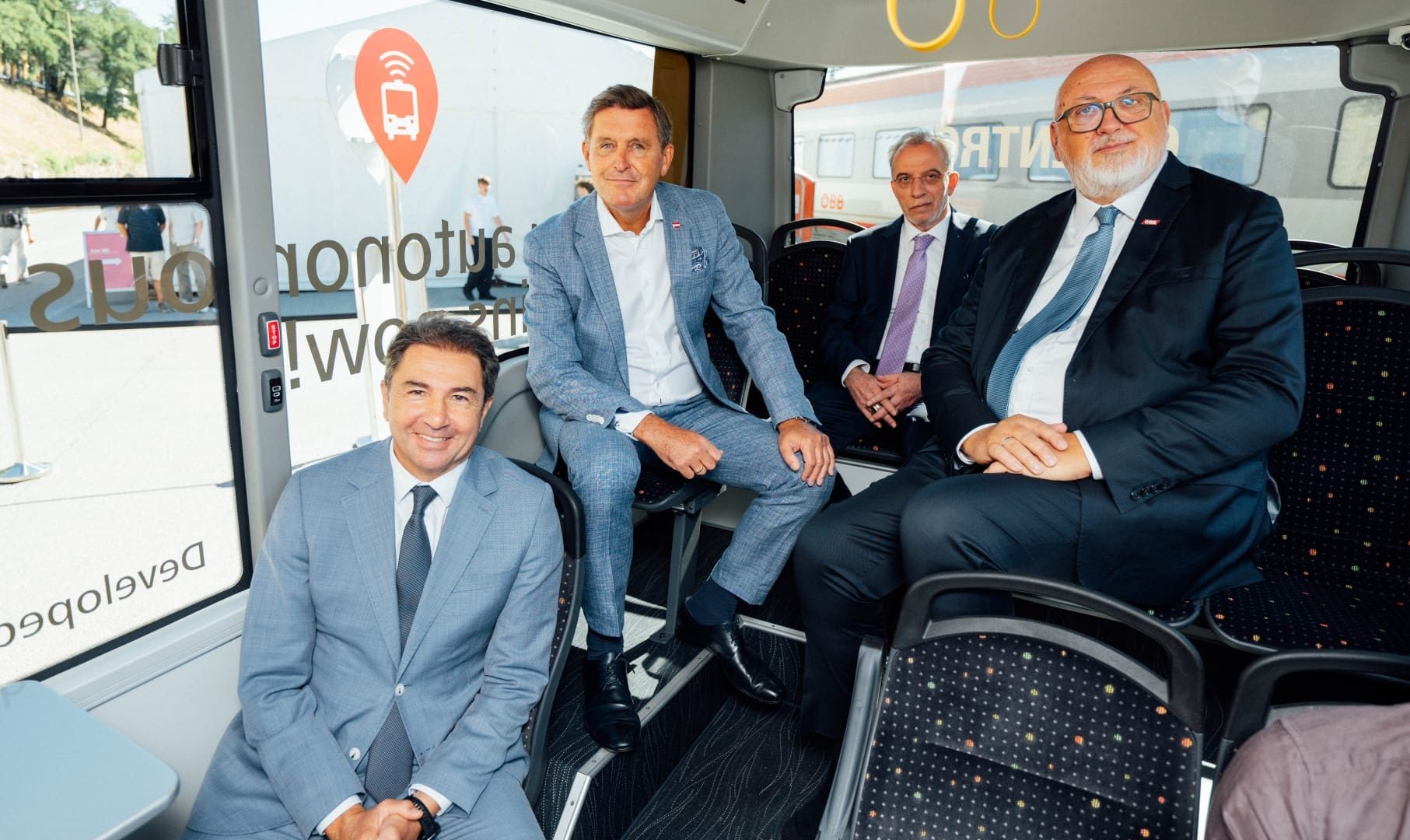
ÖBB CEO Andreas Matthä said: “Autonomous driving is no longer a vision of the future, but a technology with great potential for public transport. Our aim is to actively help shape this development and gain experience at an early stage. In this way, we are creating the basis for using new technologies responsibly and, in the long term, providing passengers with even better mobility services.”
Kerem Erman, Head of Commercial Vehicles, said: “For many years, we have been investing extensively in technologies for autonomous mobility that will shape the future of public transport. Today, we offer far more than an innovative vehicle-we deliver a fully integrated, turnkey mobility solution based entirely on Otokar’s own engineering expertise and proprietary software, and validated according to the highest international standards.”