New Flyer wins $93 million Houston METRO order for 100 CNG buses
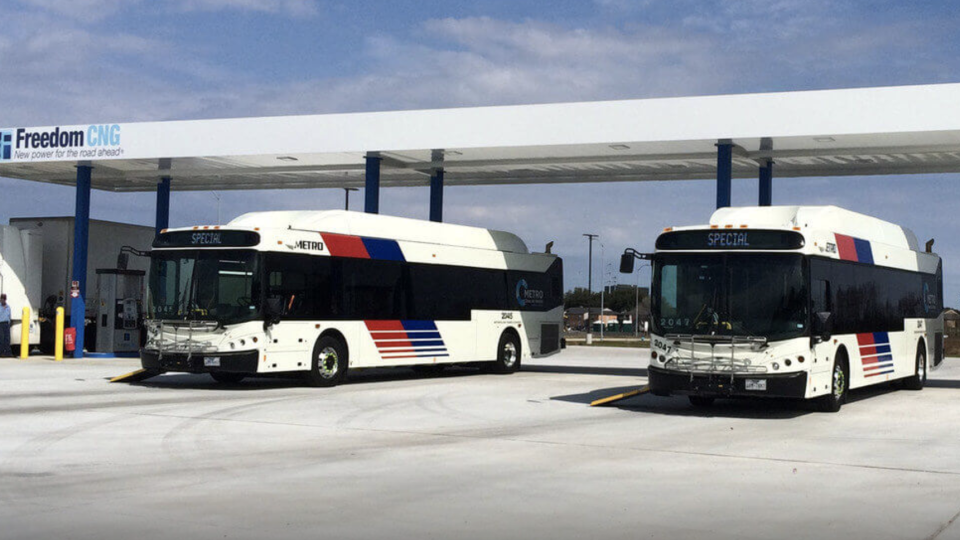
Houston METRO has ordered 100 New Flyer Xcelsior 40-foot CNG buses in a procurement valued at approximately $93 million. New Flyer of America, a subsidiary of NFI Group, announced the order on 17 September. The new compressed natural gas buses will replace vehicles that have reached the end of their service life. The procurement is […]
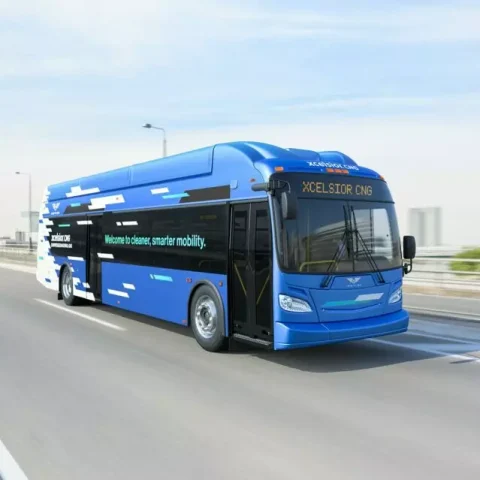
Houston METRO has ordered 100 New Flyer Xcelsior 40-foot CNG buses in a procurement valued at approximately $93 million.
New Flyer of America, a subsidiary of NFI Group, announced the order on 17 September. The new compressed natural gas buses will replace vehicles that have reached the end of their service life.
The procurement is supported by funding from the Federal Transit Administration’s 2025-2026 Low or No Emission Vehicle Program and Grants for Buses and Bus Facilities Program, according to New Flyer. METRO is also carrying out upgrades at selected facilities to increase CNG fueling capacity.
The order comes as natural gas continues to represent a significant share of the US transit bus fleet. According to the just-released Oxford Economics study Buses Mean Business, natural gas buses accounted for 25% of the US heavy-duty transit bus fleet in service, while their share of buses delivered in 2023-2024 was 13%.
Houston METRO invests $93 million in 100 New Flyer CNG buses
The 100 vehicles will be New Flyer’s 40-foot Xcelsior CNG model. The manufacturer states that the purchase represents an investment of approximately $93 million and forms part of METRO’s fleet renewal program.
The order follows federal funding announced for Houston’s bus replacement and infrastructure program. In November 2025, the FTA included Houston among the recipients of its nationwide bus funding round, with approximately $101 million allocated to METRO for the replacement of older diesel buses with CNG vehicles, together with CNG fueling and maintenance facility investments.
METRO is the primary public transportation provider for the Houston region, covering the City of Houston, most of Harris County and surrounding communities. According to the information released with the order, its multimodal network spans approximately 1,300 miles and serves a population of around four million people.
The authority provides more than 76 million passenger trips annually, with bus services accounting for the majority of ridership.
New Flyer and Houston METRO partnership dates back to 1991
The latest contract extends a supplier relationship between METRO and NFI of more than three decades. New Flyer states that the two organizations have worked together since 1991 on the supply of transit buses and motorcoaches.
The order also adds to New Flyer’s US heavy-duty transit bus backlog. According to the above-mentioned Oxford Economics analysis, buses manufactured by New Flyer and Gillig together accounted for nearly 70% of the US transit bus fleet in service in 2024. The study states that US production was more concentrated in 2025, when the two manufacturers accounted for most heavy-duty transit bus deliveries.
The 100 new vehicles are intended to replace end-of-life buses, while the associated facility works will expand METRO’s capacity to fuel CNG vehicles.
In brief
- How many buses has Houston METRO ordered from New Flyer?
The order covers 100 40-foot New Flyer Xcelsior CNG buses. - What is the value of the contract?
New Flyer puts the investment at approximately $93 million. - How is the procurement funded?
It is supported by the FTA’s 2025-2026 Low-No and Bus and Bus Facilities programs. - What share of the US transit bus fleet runs on natural gas?
Oxford Economics data put natural gas at 25% of the existing fleet and 13% of 2023-2024 deliveries.
“For more than 30 years, METRO and NFI have worked together to support safe, dependable transit for the Houston region,” said Chris Stoddart, President, North American Bus and Coach, NFI. “We’re honored to continue that partnership with New Flyer Xcelsior CNG buses that will help enhance service for riders, support METRO’s ongoing fleet renewal efforts, and continue advancing cleaner public transportation solutions for the communities it serves.”
“CNG allows METRO to deliver the reliable service our customers depend on while operating a cleaner, more efficient fleet,” said Kurt Luhrsen, Interim COO at METRO. “As we replace aging buses, we have an opportunity to reduce emissions and make responsible choices that benefit both our riders and the Houston region. CNG is an important part of that commitment.”