Hispacold launches serial production of HVAC systems with natural refrigerant R290
Hispacold has announced the start of serial production of HVAC systems using natural refrigerant R290 for public transport vehicles. The development, according to the supplier, marks a first in the sector and aligns with the European F-Gas Regulation (EU 517/2014), which promotes the adoption of sustainable, low-impact refrigerants. The first systems are planned to be […]
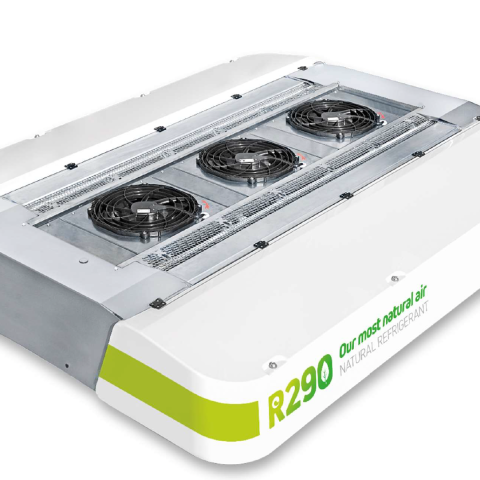
Hispacold has announced the start of serial production of HVAC systems using natural refrigerant R290 for public transport vehicles. The development, according to the supplier, marks a first in the sector and aligns with the European F-Gas Regulation (EU 517/2014), which promotes the adoption of sustainable, low-impact refrigerants. The first systems are planned to be deployed in Germany, with production beginning in Q4 2025.
The new range, designed for both electric buses and rail vehicles, is the result of a €6 million R&D program launched by the Sevilla-based company in 2023. The initiative focused on sustainability, energy efficiency, and digital transformation, leading to a complete redesign of HVAC architecture for public transport.
Hispacold R290 heat pump and AI-powered technology
Key features of the R290 heat pump systems include the use of a natural refrigerant with a Global Warming Potential of just 3, compliance with A3 refrigerant safety standards, a modular design with the same footprint as conventional systems, and advanced control software for energy efficiency and passenger comfort. The solution also aims to lower Total Cost of Ownership through simplified maintenance and standardized components.
Alongside the new product, Hispacold has introduced Signum, an AI-powered predictive maintenance platform tailored to HVAC systems in public transport. The tool applies machine learning to each vehicle’s operating profile, enabling early fault detection, accurate diagnostics, and actionable maintenance insights. This approach is designed to reduce unexpected failures, improve efficiency, extend component lifespan, and deliver operational savings.