Looking east: spotlight on Türkiye’s bus market. A contribution by Cummins
Below, a contribution by Cenk Yavuz, Director of Europe Bus Business at Cummins Türkiye has long acted as a bridge between continents, markets and technologies. For Cummins, that role can be seen in decades of collaboration with Turkish OEMs and operators, linking local manufacturing capability with global engineering expertise and supply chain networks. Cummins’ presence […]
Below, a contribution by Cenk Yavuz,
Director of Europe Bus Business at Cummins
Türkiye has long acted as a bridge between continents, markets and technologies. For Cummins, that role can be seen in decades of collaboration with Turkish OEMs and operators, linking local manufacturing capability with global engineering expertise and supply chain networks.
Cummins’ presence in Türkiye spans four decades. Over that time, the company has supported OEMs with a broad range of power solutions, with sustained demand for Euro VI engines in recent years. In a market where operators are balancing cost, uptime and emissions compliance, the current generation of engines continue to provide a dependable and well understood solution.
As bus markets across the world respond to tightening emissions standards and the emergence of new technologies, Türkiye offers a useful perspective. It is a market where efficient Euro VI diesel and natural gas solutions continue to play an important role, alongside the industry’s growing focus on lower- and zero-emission mobility.
Combustion engine technology continues to develop. Improvements in engine efficiency and aftertreatment systems, alongside compatibility with fuels such as renewable natural gas (RNG) and hydrotreated vegetable oil (HVO), are extending the environmental performance of internal combustion platforms. Within a broader mix of power solutions that includes hybrid and zero emission vehicles, these developments allow operators to take a more flexible approach to decarbonisation.
Türkiye’s bus market shows how a multi pathway approach can work in practice. Progress is not always about a single step change. More often, it is incremental, building on established technologies while preparing for what comes next.
Proven power at scale
Cummins-powered buses built in Türkiye, operating across Europe and beyond, are valued for their reliability and flexibility in service.
Cummins’ long-standing relationship with Otokar is a clear example of how this market has evolved. Since the first engine installation in 2006, Cummins products have become a core part of Otokar’s city, intercity and coach ranges. Today, the vast majority of buses produced at the company’s Sakarya facility are equipped with Cummins Euro VI diesel or natural gas engines, including the F2.8, B4.5, B6.7 and L9N platforms.
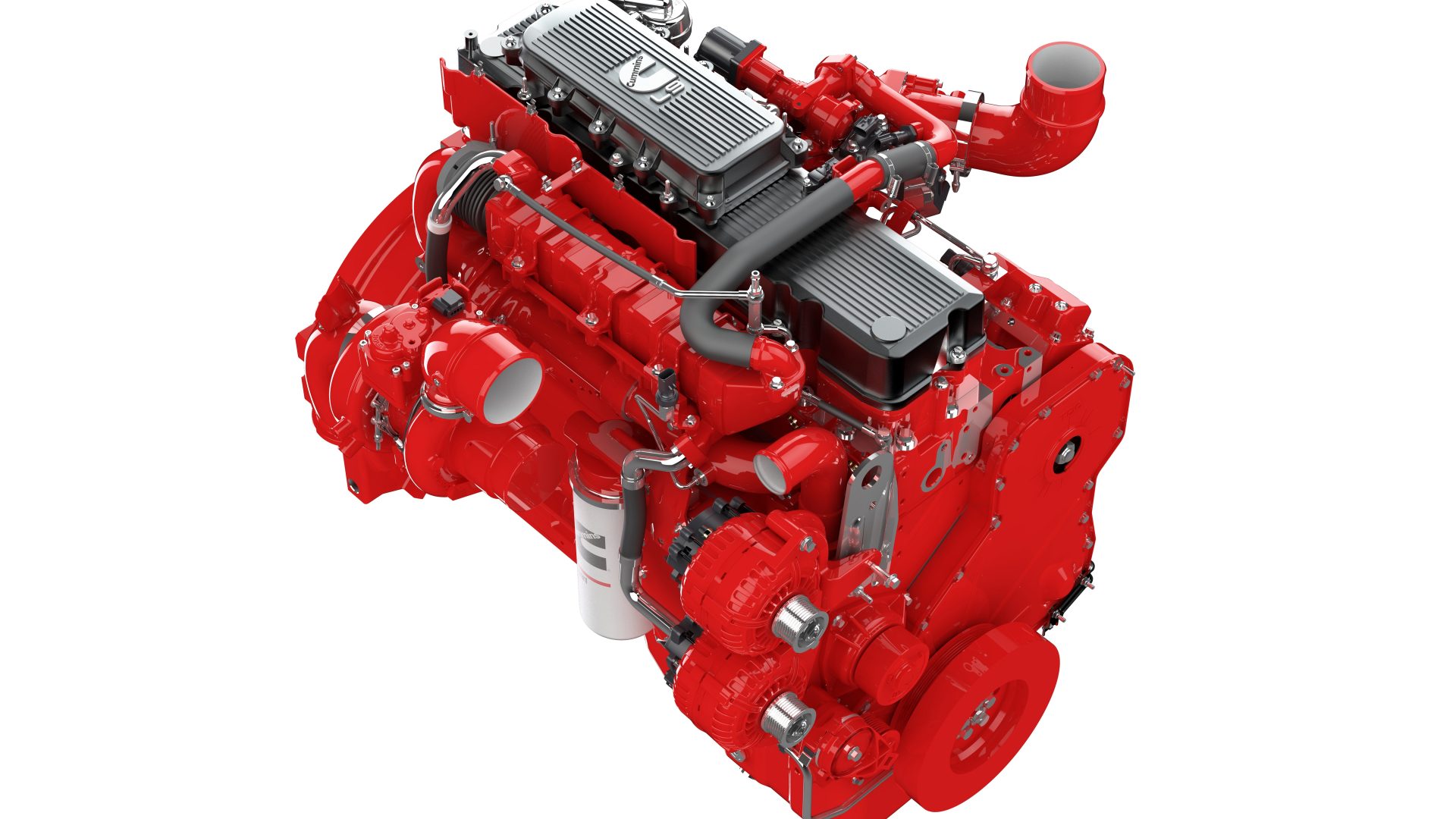
Looking wider, BMC has exported Cummins-powered vehicles for many years and confirmed in 2025 that it had begun internationally shipping new versions of its 12m and 18m Procity Plus buses equipped with Cummins B6.7 Euro VI engines (280–300 hp) and L9 Euro VI engines (370 hp). Across continents, Temsa also continues to power its 30 – 45ft coach business in North America using Cummins B6.7 EPA, L9 EPA and X12 EPA engines.
This scale of integration reflects confidence in technologies that can meet stringent emissions requirements while supporting demanding duty cycles around the world.
From minibuses to full size urban and intercity vehicles, these engines underpin a wide range of applications, both within Türkiye, and in export markets.
Adapting to different markets
That story extends beyond a single manufacturer and to a specific moment in time. Turkish-built buses are a common sight across European cities, underlining the country’s role as a major production hub for the region.
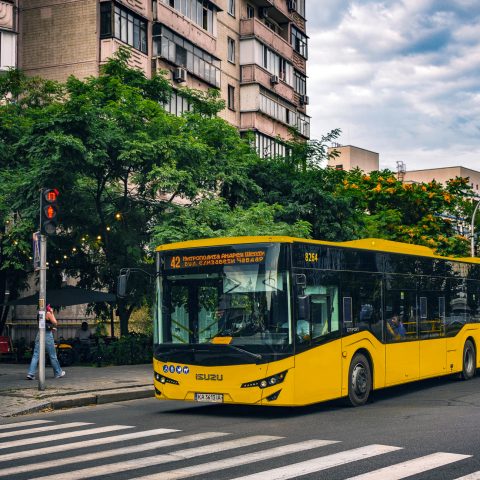
Recent orders point to continued demand for Euro VI solutions across different applications. Anadolu Isuzu has secured significant contracts for its Citiport range, including articulated 18 metre buses powered by Cummins L9 engines and 12 metre low floor buses using the B6.7, with vehicles destined for both domestic and export markets, for use across Ukraine, Germany and France. These projects highlight how operators continue to rely on proven technologies that can be deployed quickly and at scale.
This is particularly relevant to a market like Türkiye, where fleet renewal and expansion often happen at the same time. Operators need solutions that deliver immediate emissions benefits while maintaining efficiency and reliability in daily operation.
Technology that continues to evolve
Combustion engine technology continues to develop. Improvements in engine efficiency and aftertreatment systems, alongside compatibility with fuels such as renewable natural gas (RNG) and hydrotreated vegetable oil (HVO), are extending the environmental performance of internal combustion platforms. Within a broader mix of power solutions that includes hybrid and zero emission vehicles, these developments allow operators to take a more flexible approach to decarbonisation.
Türkiye’s bus market shows how a multi pathway approach can work in practice. Progress is not always about a single step change. More often, it is incremental, building on established technologies while preparing for what comes next.
The transition to zero emissions is underway, but it will take time. In the meantime, Euro VI engines continue to play an important role in delivering cleaner and efficient public transport when deployed as part of a wider portfolio of solutions.
For Cummins, Türkiye remains both a long-standing partner and an important part of that journey, combining heritage, engineering capability and export strength to support the future of mobility.