De Lijn ready to tender work on three electric bus depots
Belgium’s De Lijn, active in public transport in Flanders, has started three awarding procedures for work on its first electric bus depots. In fact, the Board of Directors has approved guidelines for the selection of works at the depots in Genk-Winterslag, Destelbergen and Kortrijk. In order to offer completely emission-free public transport by 2035, the […]
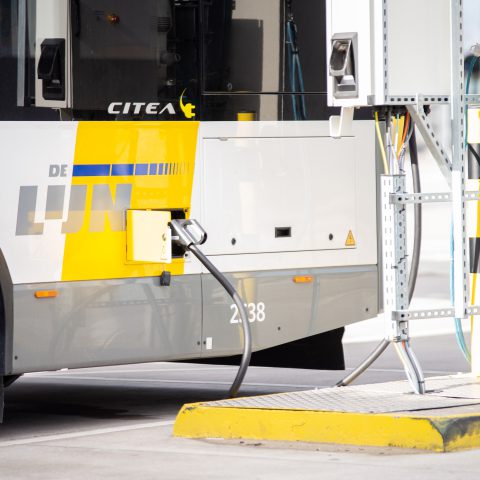
Belgium’s De Lijn, active in public transport in Flanders, has started three awarding procedures for work on its first electric bus depots. In fact, the Board of Directors has approved guidelines for the selection of works at the depots in Genk-Winterslag, Destelbergen and Kortrijk.
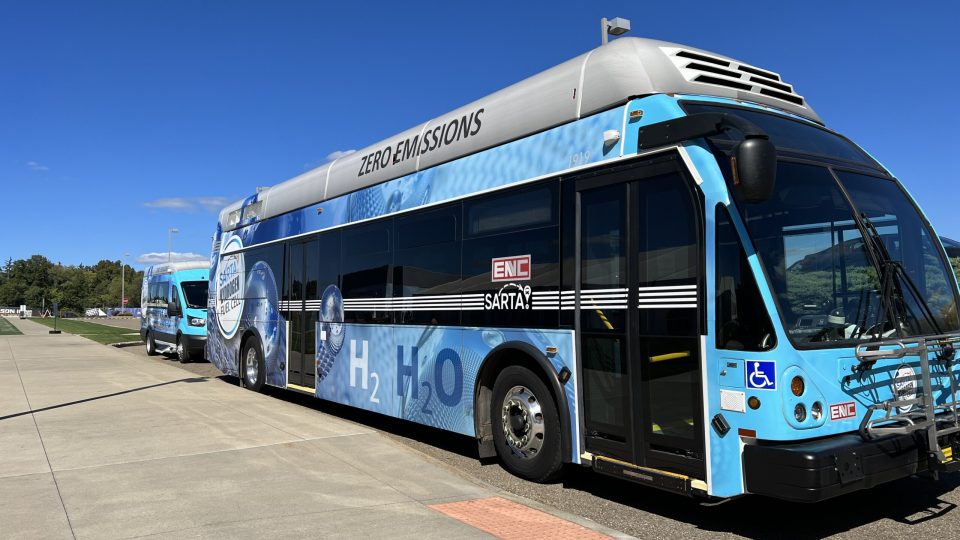
In order to offer completely emission-free public transport by 2035, the company not only needs to green its entire bus fleet (about 2,300 buses operated in-house and 1,000 buses operated by operators), but it will also have to take care of the charging infrastructure for these ebuses.
For this reason, in June 2021, De Lijn commissioned the engineering firm SWECO to map out the necessary adjustments to the depots where the first e-buses will be stationed. De Lijn expects to be able to award the first contracts by the end of this year. In addition to these three placement procedures, De Lijn will make minor adjustments to these depots this year so that the first e-buses can be put into service starting in the spring of 2023.
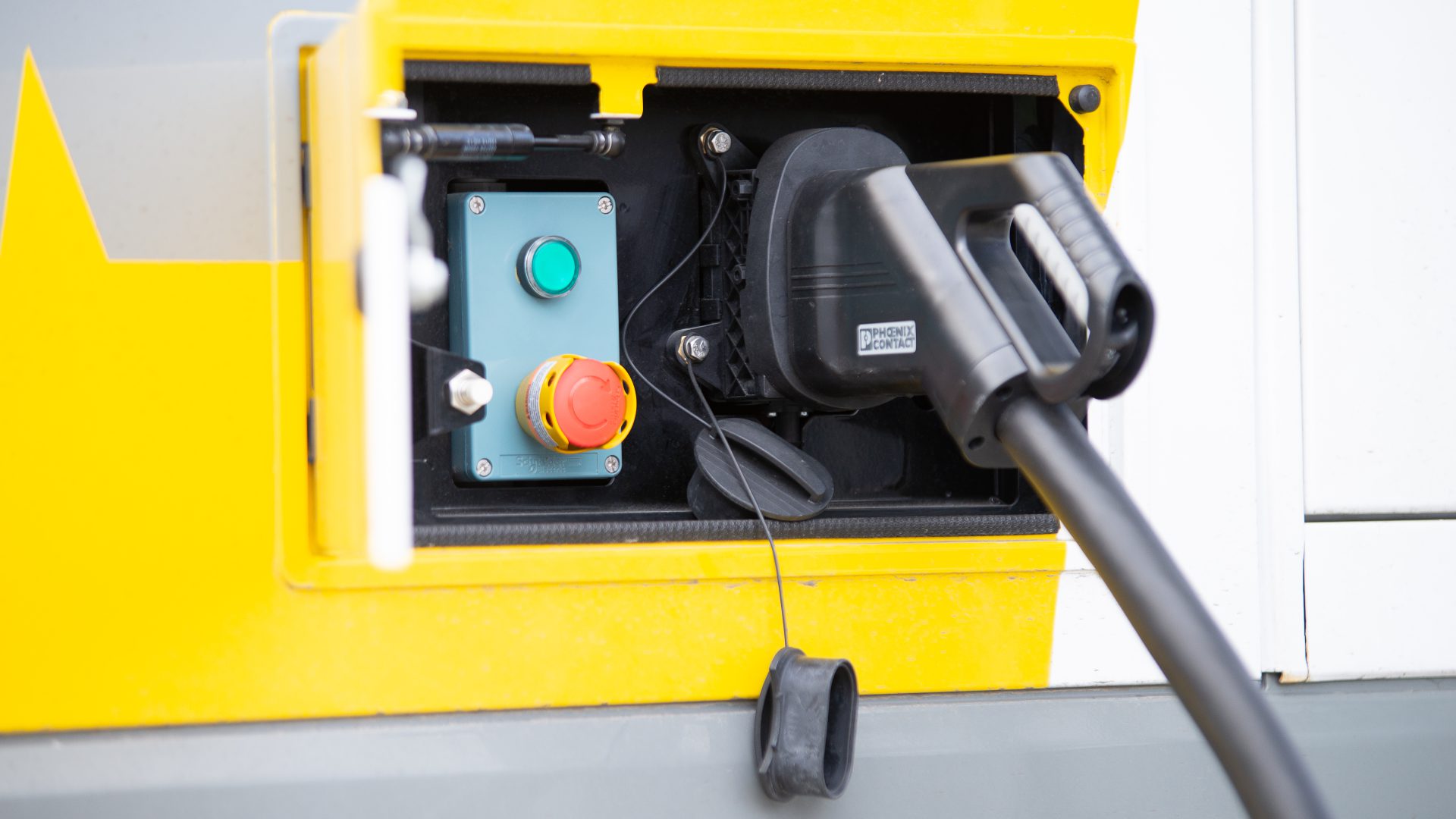
«The importance of converting depots for e-buses should not be underestimated. Electric buses cannot operate if their batteries are not charged. Many of our depots were built when there was no talk of greening. This means that most depots have to undergo construction work before they are ready for e-buses», says Ann Schoubs, general manager of De Lijn.
«For this work, De Lijn can count on 15 million euros through European revitalization aid», adds Flemish Minister of Mobility Lydia Peeters. «We have to go green in all areas in our ambition to have healthier air and really address climate challenges. Cars, vans, trucks, but also the electrification of De Lijn’s fleet is an important link. An e-station is a crucial domino in the whole».