Solaris is delivering in Berlin the first e-buses with battery passport (mandatory from 2027)
The world’s first series-produced bus with a battery passport is the Solaris Urbino 18 electric model, which has just joined the BVG fleet in Berlin, the manufacturer claim. The battery passport is a digital document providing detailed information on the battery’s origin and composition, fostering more responsible and sustainable raw material management. Solaris delivered the battery passport vehicle three years ahead of EU regulations, which will require a battery passport […]
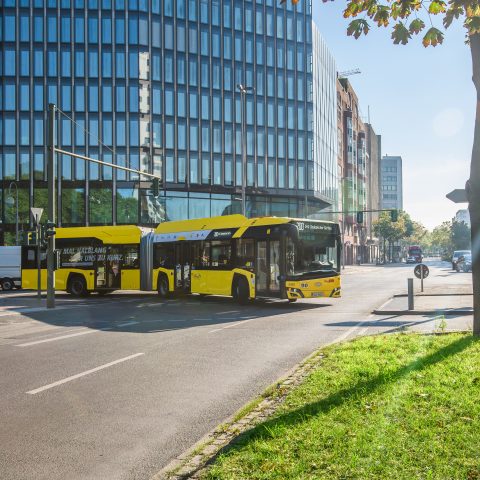
The world’s first series-produced bus with a battery passport is the Solaris Urbino 18 electric model, which has just joined the BVG fleet in Berlin, the manufacturer claim. The battery passport is a digital document providing detailed information on the battery’s origin and composition, fostering more responsible and sustainable raw material management.
Solaris delivered the battery passport vehicle three years ahead of EU regulations, which will require a battery passport in all electric vehicles starting in 2027.
Solaris delivers e-bus with battery passport
Solaris has delivered to Berlin the Urbino 18 electric bus, the world’s first series-produced to feature a battery passport. The model is equipped with Solaris High Energy batteries with a capacity of about 700 kWh. It is the first of 50 articulated electric buses ordered by BVG Berlin at the end of 2023, with the entire order set to be completed by 2025. All vehicles in this order will come with battery passports.
According to the new Regulation (EU) 2023/1542 of the European Parliament and of the Council of 12 July 2023 concerning batteries and waste batteries, a digital battery passport will be required from February 18, 2027, for each battery, including those in electric vehicles.
A battery passport is a digital document that provides detailed information about a battery – its composition, origin of materials, environmental impact and data necessary for proper recycling. Required data includes information on the chemical composition, critical raw material content, carbon footprint, and share of renewable materials. Information on the battery in the Urbino 18 electric buses operated by BVG Berlin is available by scanning the QR code taped to the component.
The document aims to increase transparency throughout the battery lifecycle – from raw material extraction and use to recycling. Electric vehicle batteries contain valuable and rare materials, and their responsible management is crucial for preserving natural resources and minimizing environmental impact. The battery passport enables the tracking of raw materials such as lithium, cobalt, and nickel, promoting responsible and ethical sourcing. Access to detailed data on composition and environmental impact also supports efficient recycling and optimal use of renewable materials.