South Africa, Volvo Buses wins Cape Town order for 38 locally bodied BZR electric buses
Volvo Buses will supply at least 38 BZR Low Entry Electric buses to the City of Cape Town, with the first deliveries scheduled for 2027 and the bodies to be manufactured in South Africa. According to Volvo Buses, the vehicles will be the first locally bodied electric buses in South Africa and will operate within […]
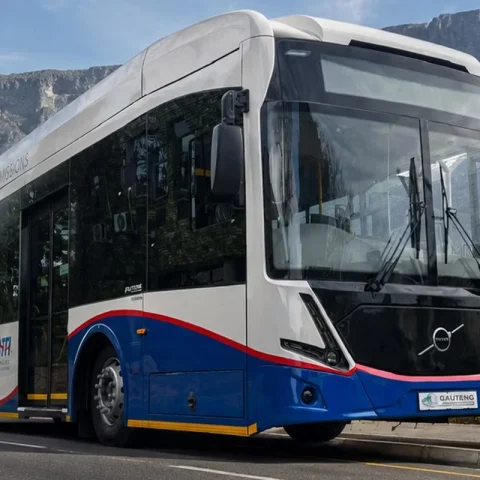
Volvo Buses will supply at least 38 BZR Low Entry Electric buses to the City of Cape Town, with the first deliveries scheduled for 2027 and the bodies to be manufactured in South Africa.
According to Volvo Buses, the vehicles will be the first locally bodied electric buses in South Africa and will operate within Cape Town’s electric passenger transport system. The order could increase beyond the initial 38 units depending on the availability of funding.
The buses will be financed through South Africa’s Public Transport National Grant, according to the City of Cape Town. Charging infrastructure for the fleet will be managed by the city.
38 Volvo BZR Low Entry Electric buses for Cape Town
The vehicles will be based on the Volvo BZR Low Entry Electric platform. Volvo Buses says the installed energy capacity will be configured according to the City of Cape Town’s operational requirements, without providing battery capacity, charging power or range figures in the announcement.
The low-entry buses will accommodate seated and standing passengers and include wheelchair accommodation and priority seating.
Volvo Buses has also been involved in the planning process for the transition from diesel to electric operation, providing support for infrastructure planning and system implementation, the manufacturer states.
The first buses are scheduled to be delivered in 2027. Cape Town has ordered a minimum of 38 vehicles, with the final number potentially increasing subject to funding availability.
Electric bus bodies to be manufactured in Johannesburg
While the chassis will be based on Volvo Buses’ BZR electric platform, the bodies will be designed and manufactured locally by Gauteng Bus and Coach Centre in Johannesburg.
Volvo Buses describes the project as the introduction of South Africa’s first locally bodied electric buses. The manufacturer states that the project combines its electric bus platform with local body manufacturing and technical activities in South Africa.
The City of Cape Town will separately manage the charging infrastructure required for the fleet. Further details concerning the charging equipment and depot configuration have not been disclosed.
In brief
- How many electric buses has Cape Town ordered from Volvo?
The city has ordered a minimum of 38 Volvo BZR Low Entry Electric buses, with the number potentially increasing depending on funding. - When will the buses be delivered?
The first vehicles are scheduled for delivery in 2027. - Where will the bus bodies be manufactured?
They will be designed and manufactured by Gauteng Bus and Coach Centre in Johannesburg, South Africa. - Who will manage the charging infrastructure?
The City of Cape Town will be responsible for the charging infrastructure.
Leon Nelson, Director, Volvo Buses in South Africa, said: “This is a landmark project for both Cape Town and for us. We can be very proud to introduce electric buses to the city, and in doing so, prove that we acknowledge and support a sustainable future.”
Rob Quintas, City Councillor responsible for urban mobility in Cape Town, said: “The first buses are scheduled for delivery in 2027. We have ordered a minimum of 38 buses, but this number may increase with funding availability. The new buses will be paid for by means of Public Transport National Grant funding.”
Manish Sahi, Vice President, Volvo Buses MIAC, said: “This project demonstrates how electrification can be implemented in a way that strengthens local capabilities, builds technical competence, and contributes to the development of a future-ready public transport ecosystem. We are proud that Cape Town has chosen Volvo Buses as a partner towards a cleaner and more efficient urban transport system.”