Next generation chargers by Kempower will be powered by silicon carbide (SiC) technology
Kempower is introducing a next generation charger platform with silicon carbide (SiC) technology for the company’s full product portfolio, the Finnish charging infrastructure provider announces. Kempower has just been selected for a 10 million euros funding aimed at boosting heavy-duty electric mobility and it has signed a contract to deliver DC charging solutions for heavy-duty […]
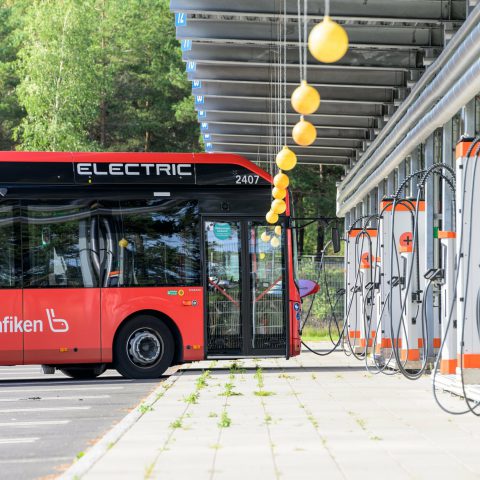
Kempower is introducing a next generation charger platform with silicon carbide (SiC) technology for the company’s full product portfolio, the Finnish charging infrastructure provider announces.
Kempower has just been selected for a 10 million euros funding aimed at boosting heavy-duty electric mobility and it has signed a contract to deliver DC charging solutions for heavy-duty vehicles to Milence, a joint venture formed by Traton Group, Volvo Group, and Daimler Truck AG.
The company plans to start customer deliveries with next generation charger technology in the first quarter of 2024. North American markets will follow in Q2 2024.
Kempower’s chargers based on silicon carbide (SiC) technology
Kempower says it has built up a strong supply chain in Europe and North America for the next generation charger platform with silicon carbide (SiC) technology. The sustainable supply chain is set to allow Kempower to scale up to high volumes and follows the idea of a local supply chain in both Lahti and North Carolina production sites.
“With the next generation charger platform, we release the Kempower Power Module Version 2, featuring silicon carbide (SiC) technology. Based on the first customer pilots and accelerated endurance testing, the new technology provides grid-friendly electricity flow with extremely low THD levels, increased efficiency, and wide operating temperature range. With an increased efficiency and power factor up to 0.98 PF, electrical infrastructure costs may be reduced while delivering the same charging power to electric vehicles as with our previous design. Other benefits include improved electrical compatibility with existing site locations while contributing to increased grid resilience for large deployments of EV chargers” says Kempower’s Chief Market Officer Jussi Vanhanen.