Los Angeles deploys bus-mounted cameras to monitor illegal parking in bus lanes and stops
Los Angeles Department of Transportation (LADOT) has launched automated enforcement of illegal parking in bus lanes and bus stops using cameras installed on DASH transit buses, with the programme starting on 2 November 2026 and monetary penalties scheduled from 2 January 2027. The initiative, announced by LADOT on 29 October, introduces bus-mounted camera technology to […]
Los Angeles Department of Transportation (LADOT) has launched automated enforcement of illegal parking in bus lanes and bus stops using cameras installed on DASH transit buses, with the programme starting on 2 November 2026 and monetary penalties scheduled from 2 January 2027.
The initiative, announced by LADOT on 29 October, introduces bus-mounted camera technology to identify vehicles obstructing dedicated bus infrastructure. During the first 60 days of operation, registered vehicle owners will receive warning notices by mail, while financial penalties will be introduced at the beginning of January 2027.
The programme covers LADOT’s DASH neighbourhood circulator services, which operate in Downtown Los Angeles and 28 additional neighbourhoods across the city. LADOT Transit, the department’s public transport operating division, provides more than 20 million passenger trips through its municipal transit services, according to the agency.
LADOT does not identify the technology provider supplying the camera-based enforcement system installed on DASH buses. Among the companies active in this segment is the California-based Hayden AI, which develops artificial intelligence-based systems for automated detection of parking violations affecting public transport operations. The company has also expanded its activities in Europe, including an AI-powered bus lane enforcement pilot in Tallinn, Estonia. Another supplier developing related applications is Luminator Technology Group, which has introduced its Transit Environment Intelligence solution for monitoring conditions around public transport vehicles, although their announcements don’t explicitly mention illegal parking. The LADOT announcement does not establish any connection between these suppliers and the DASH deployment.
LADOT DASH introduces automated bus lane and bus stop enforcement
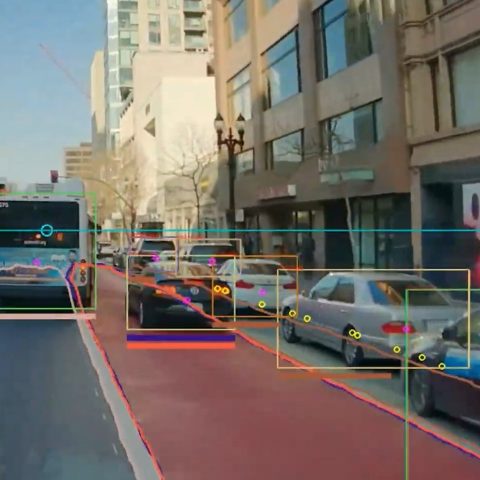
The enforcement system uses two forward-facing cameras installed behind the windshields of DASH buses. The equipment automatically detects and records vehicles illegally parked in bus lanes and at bus stops.
According to LADOT, all potential parking violations identified by the camera system are reviewed by department personnel before citations are issued. The programme therefore combines automated detection with human verification of recorded offences.
The initial warning period runs from 2 November 2026, with paid citations scheduled to begin on 2 January 2027. LADOT also states that payment plans are available for individuals with low incomes, with information on financial assistance provided through the department’s online services.
The enforcement measures cover both dedicated bus lanes and designated bus stops. LADOT identifies illegally parked vehicles as obstacles to bus operations, including access to stops and the deployment of wheelchair ramps. Vehicles obstructing stops may require bus drivers to manoeuvre into general traffic to serve passengers.
Bus-mounted enforcement technology already operating in California
LADOT DASH joins several other public transport systems in the Los Angeles area using bus-mounted cameras to enforce parking restrictions. According to the department, similar systems are already deployed by Los Angeles Metro, Santa Monica’s Big Blue Bus and Culver CityBus.
LADOT reports that Santa Monica recorded a 52% reduction in bus lane parking violations and a 40% reduction in bus stop parking violations in March 2026 compared with August 2025, the first full month of its warning-notice programme.
The technology is also in use in New York City, Washington DC, Philadelphia, Sacramento and the East Bay area of San Francisco.
According to figures cited by LADOT, bus speeds in New York City have increased by up to 36% on certain congested road segments where the technology has been deployed. The department also reports that 91% of drivers receiving a citation have not received a second ticket.
Los Angeles bus network: Vermont BRT project and 220 electric buses ordered from ENC
The new LADOT enforcement programme comes as Los Angeles Metro is advancing separate bus infrastructure and fleet renewal projects. In October 2026, LA Metro started construction of the Vermont Transit Corridor BRT, a 12.4-mile (20-km) route featuring 26 upgraded stations, dedicated bus lanes and transit signal priority. On the fleet procurement side, LA Metro approved a $337.7 million contract with ENC for 220 battery-electric buses in September 2026. The order covers 40-foot (12.2-metre) AXESS EVO-BE vehicles equipped with BAE Systems Gen3 electric drivetrains and battery storage capacity of up to 738 kWh. Deliveries are scheduled to begin in spring 2028. The contract also includes options for up to 1,600 additional electric buses, subject to further board approval.
In brief
- When did LADOT DASH launch automated bus lane enforcement? The programme started on 2 November 2026.
- When will parking fines begin? Paid citations are scheduled to start on 2 January 2027, following an initial warning period.
- How does the enforcement technology work? Two forward-facing cameras on DASH buses record potential violations, which LADOT personnel review.
- Which other California transit operators use the technology? LA Metro, Santa Monica Big Blue Bus and Culver CityBus are among the operators identified by LADOT.
Los Angeles Mayor Karen Bass stated: “As Mayor, my focus remains on building a transit system that Angelenos deserve and demonstrating that Los Angeles can operate an effective, world-class transit system. By leveraging this new technology, we’re ensuring that buses arrive on time, are accessible to everyone, and connect communities to opportunities.”
LADOT General Manager Laura Rubio-Cornejo said: “This program marks another step forward in our commitment to providing Angelenos with safe and efficient transit services. Keeping bus lanes and bus stops clear of illegally parked vehicles is essential to ensuring that DASH buses are on-time and accessible for the people who rely on our service.”