Following cancellation of a 47-units order with Ebusco, Connect Bus will deploy BYD e-buses
Following cancellation of its e-bus order with Ebusco, Connect Bus is set to deploy BYD buses in Växjö, Sweden, as local trade media Bussmagasinet reports. 47 electric buses will be delivered (18 articulated and 29 solo buses) in summer next year. What is interesting, while the 18-meter will be the BYD K9, the 12-meter bus […]
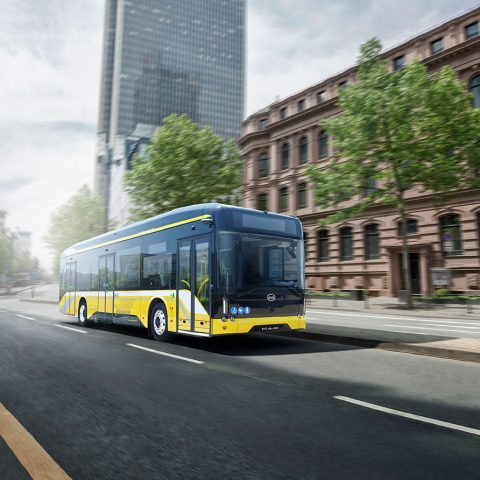
Following cancellation of its e-bus order with Ebusco, Connect Bus is set to deploy BYD buses in Växjö, Sweden, as local trade media Bussmagasinet reports.
47 electric buses will be delivered (18 articulated and 29 solo buses) in summer next year. What is interesting, while the 18-meter will be the BYD K9, the 12-meter bus to be provided in Sweden will belong to the new B12 platform with Blade Battery Chassis (to be displayed again at InnoTrans next week).
Connect Bus turns to BYD
Swedish carrier Connect Bus had decided to switch electric bus supplier due to significant delivery delays from Ebusco. Connect Bus will also be seeking financial compensation from Ebusco. Originally, Connect Bus had planned to introduce 47 new electric buses (model Ebusco 3.0) in Kronoberg by December 2023, but repeated setbacks have forced the company to seek a new partner.
“We have evaluated six different options. BYD was able to offer the best combination of product quality and lead time” Jonas Kempe, CEO of Connect Bus in Sweden, is quoted as saying to bussmagasinet.se.
BYD e-buses in Sweden. And Ebusco?
Speculations about Ebusco’s insolvency are gaining space. The company’s half 2024 financial results show EBITDA loss of €60.7 million (increased 40% compared to 43 in 2023) and revenue at €38 million (-8.8%). Just 98 buses were delivered, vs a order book of as many as 1,662 buses. “Scaling up with contract manufacturers has been hampered by start-up inefficiencies”, said the company, that is pivoting to a new strategy based on assembly of 3.0 model in China being made by a external partner, as stated during the presentation of 2023 results in March this year.
Ebusco shares have today a value of 0.94 €, and witnessed a -87% decrease in the last 12 months. The loss compared to the time when the company went public (October 2021) is -96%, as Ebusco’s shares value at that time was around 23 euros.