German city of Jena mandates electric buses for all future fleet replacements
Jena will procure only electric buses for all future fleet replacements as part of a plan to achieve climate-neutral public transport by 2035. The city of Jena has approved a policy to transition its municipal bus fleet to exclusively electric propulsion in all future replacement cycles, establishing a long-term framework for the decarbonisation of its […]
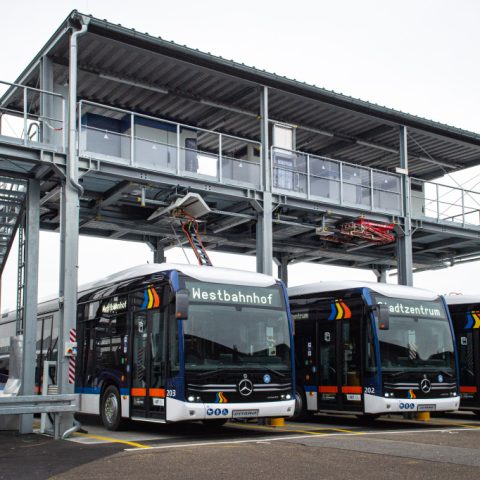
Jena will procure only electric buses for all future fleet replacements as part of a plan to achieve climate-neutral public transport by 2035.
The city of Jena has approved a policy to transition its municipal bus fleet to exclusively electric propulsion in all future replacement cycles, establishing a long-term framework for the decarbonisation of its public transport system. The decision, adopted by the city council and reported on local media as well as on German trade agency Electrive, applies to the fleet operated by Stadtwerke Jena and introduces a procurement rule aligned with the city’s climate neutrality target for 2035.
Jena bus renewal strategy aligned with 2035 target
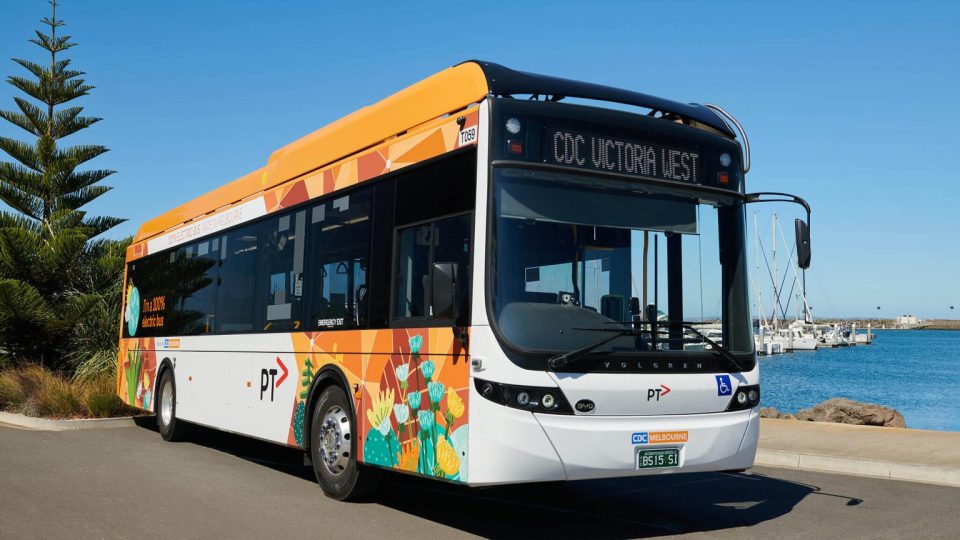
Under the approved resolution, diesel buses reaching the end of their service life will be replaced exclusively by battery-electric vehicles. The transition is structured as a gradual process linked to standard replacement cycles. The approach integrates bus electrification with the ongoing development of the city’s tram network, forming two parallel components of Jena’s public transport system.
The electrification plan includes the expansion of charging infrastructure both at the central depot and at selected terminal points across the network. Charging systems are to be deployed to support daily operations, requiring integration with existing grid capacity and operational planning.
In brief
- What decision has Jena taken? The city will only purchase electric buses for all future fleet replacements.
- What is the target year for climate neutrality? Jena aims to operate a fully climate-neutral public transport system by 2035.
- What infrastructure changes are required? Charging stations, depot upgrades, and workshop adaptations for high-voltage systems.
- How will the transition be financed? Through a combination of municipal funds and subsidies from federal and state programmes.
Workshop facilities will undergo technical modifications to accommodate electric vehicles, including the installation of equipment suitable for high-voltage systems and compliance with updated safety standards. Maintenance personnel will require certification for handling electric drivetrains and associated components.
The infrastructure programme extends beyond vehicle charging to include adjustments in depot layout, energy management systems, and operational scheduling. These measures are necessary to support the deployment of a fully electric fleet within the existing transport framework.
Funding structure and investment framework
The investment required for vehicle procurement and infrastructure development is expected to exceed municipal budget capacity. The city has indicated that funding will be supported through financial contributions from the German federal government and the state of Thuringia.
Electrive noted that after the first battery-electric buses entered service in 2020, no additional vehicles were acquired, with Jenaer Nahverkehr stating in 2025 that further purchases had been suspended pending the availability of federal and state financial support.
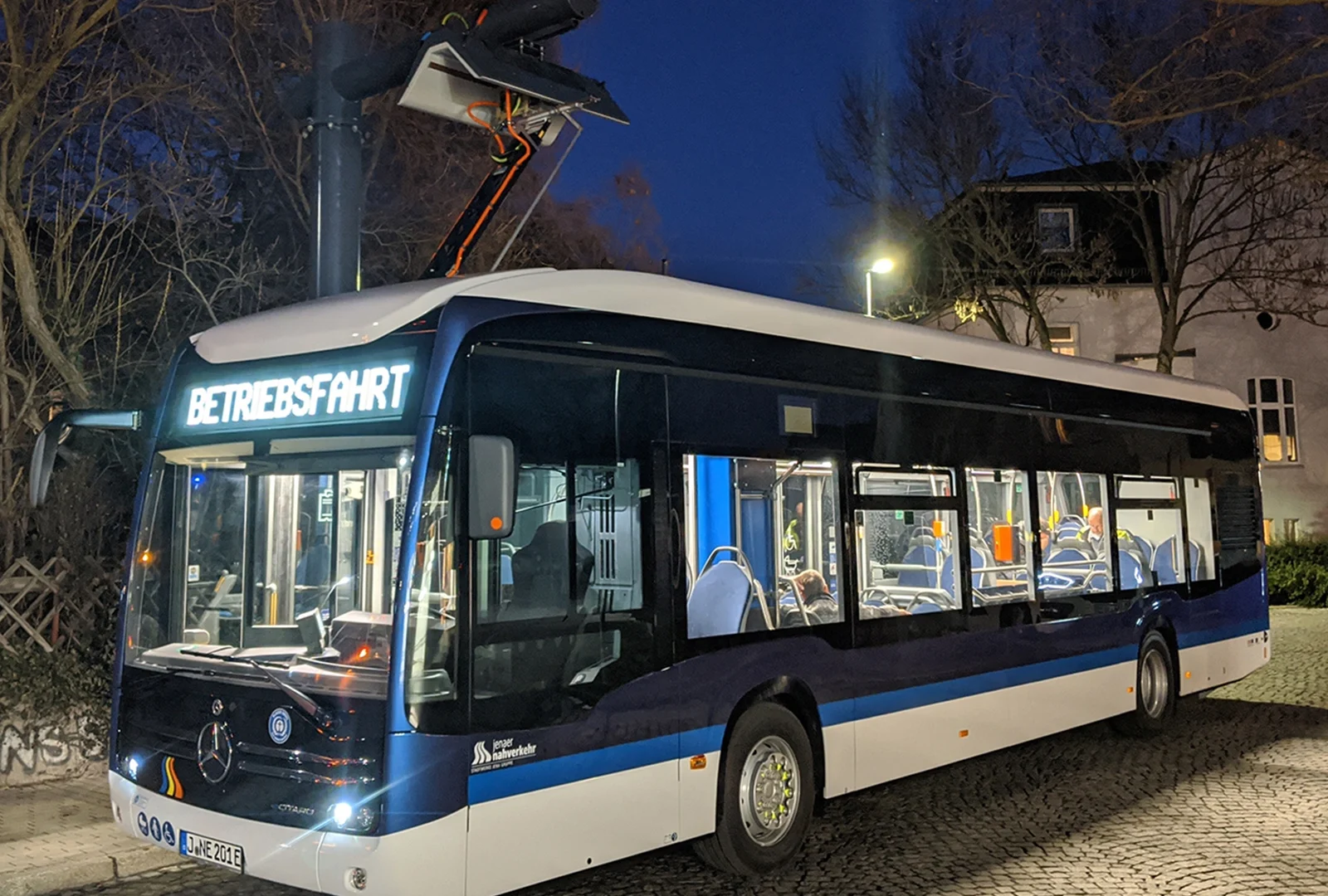
The financing model combines public subsidies with municipal investment, covering both rolling stock acquisition and fixed infrastructure. Funding applications are to be aligned with existing national and regional programmes supporting zero-emission public transport systems.
The implementation framework integrates procurement planning, infrastructure rollout, and funding allocation into a coordinated programme managed at municipal level.