Daimler AG becomes Mercedes-Benz Group AG
Since February 1, 2022, Daimler AG becomes Mercedes-Benz Group AG. The renaming follows the spin-off and stock exchange listing of Daimler Truck, the latter now focused only on heavy-duty commercial vehicles. As a consequence, the brand-new Mercedes-Benz Group AG will focus its business on light commercial vehicles, as well as passenger cars in the luxury and […]
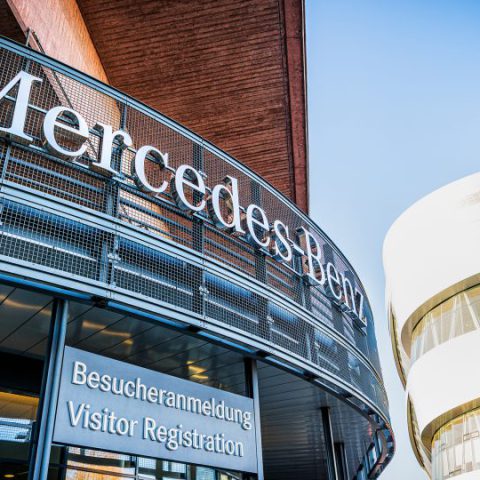
Since February 1, 2022, Daimler AG becomes Mercedes-Benz Group AG. The renaming follows the spin-off and stock exchange listing of Daimler Truck, the latter now focused only on heavy-duty commercial vehicles. As a consequence, the brand-new Mercedes-Benz Group AG will focus its business on light commercial vehicles, as well as passenger cars in the luxury and premium segment. The Group still holds a minority stake of 35% in Daimler Truck Holding, of this, around 5% are held in its pension assets.
Welcome Mercedes-Benz Group AG
«The renaming to Mercedes-Benz Group AG underlines our renewed strategic focus. In doing so, we want to make clear where we see the core of our company – building the most desirable cars in the world. The Mercedes star has always been a promise for the future. Changing the present in order to improve it. We want to continue this legacy of our founders by taking the lead in electric mobility and vehicle software», stated Ola Kallenius, Chairman of the Board of Management of Mercedes-Benz Group AG.
Mercedes-Benz Mobility
Parallel to the renaming of Daimler AG, Daimler Mobility AG is also adapting its brand. Under the name Mercedes-Benz Mobility AG, the company offers mobility services for passenger cars and vans in the areas of financing, leasing and insurance. In addition, the finance and mobility division enables Mercedes-Benz customers to use their vehicles flexibly via rental and subscription models, fleet management and digital services for charging and payment.