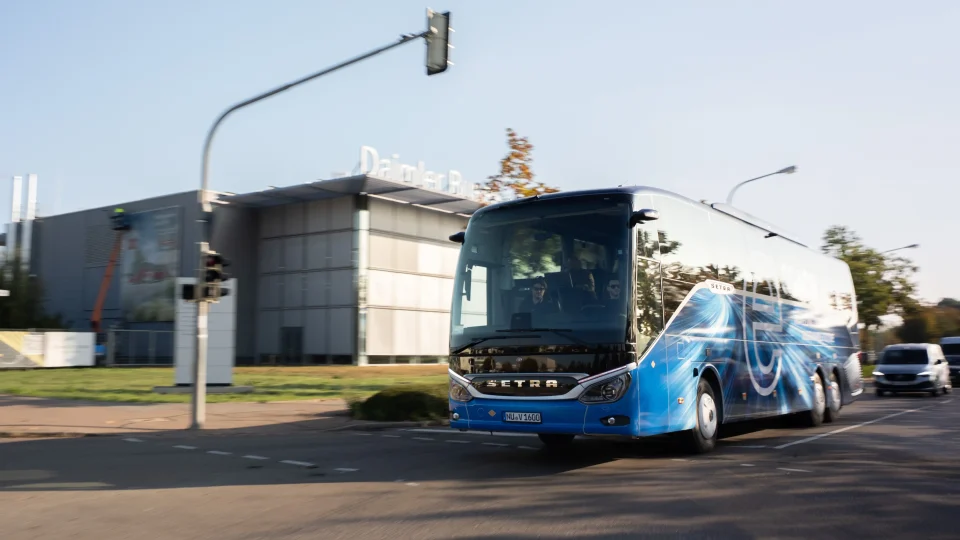
Scania showcases new Touring coach (also BEV), electric powertrains up to 400 kW and in-house battery production
Scania has presented its latest developments in bus and coach electrification at its Södertälje headquarters in Sweden, detailing a range of electric powertrains delivering up to 400 kW, internally assembled battery packs and new BEV and PHEV chassis configurations, alongside the new generation of the Scania Touring coach. During a two-day international press event at […]
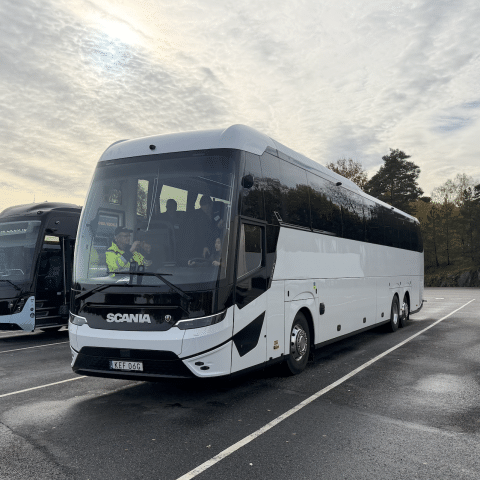
Scania has presented its latest developments in bus and coach electrification at its Södertälje headquarters in Sweden, detailing a range of electric powertrains delivering up to 400 kW, internally assembled battery packs and new BEV and PHEV chassis configurations, alongside the new generation of the Scania Touring coach.
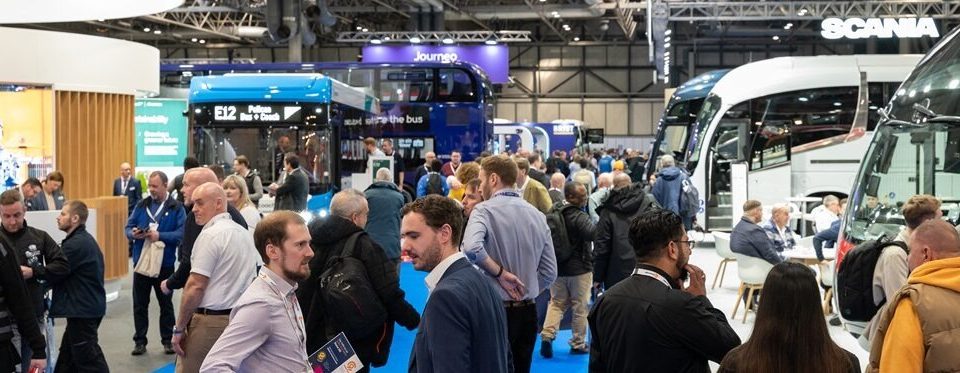
During a two-day international press event at the manufacturer’s headquarters, Scania outlined its electrification roadmap, provided technical details of its propulsion systems and hosted a visit to its battery assembly facility. The programme also included vehicle testing at the Scania Demo Center.
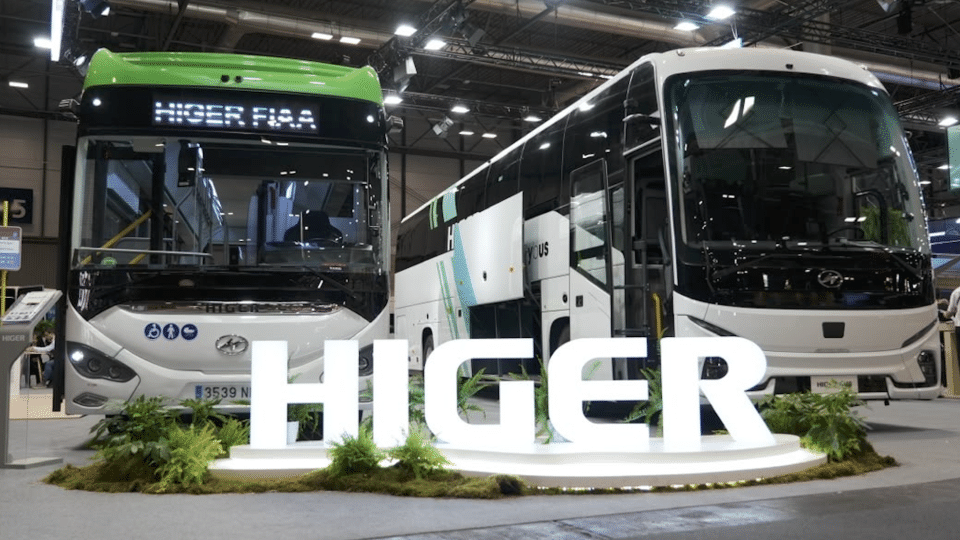
The presentation covered battery-electric low-entry and high-floor platforms, plug-in hybrid configurations and Scania-developed components, including electric machines, transmissions, batteries and integrated cooling systems. The new Touring, produced in cooperation with Chinese bodybuilder Higer, was also presented, with production already underway and orders being accepted.
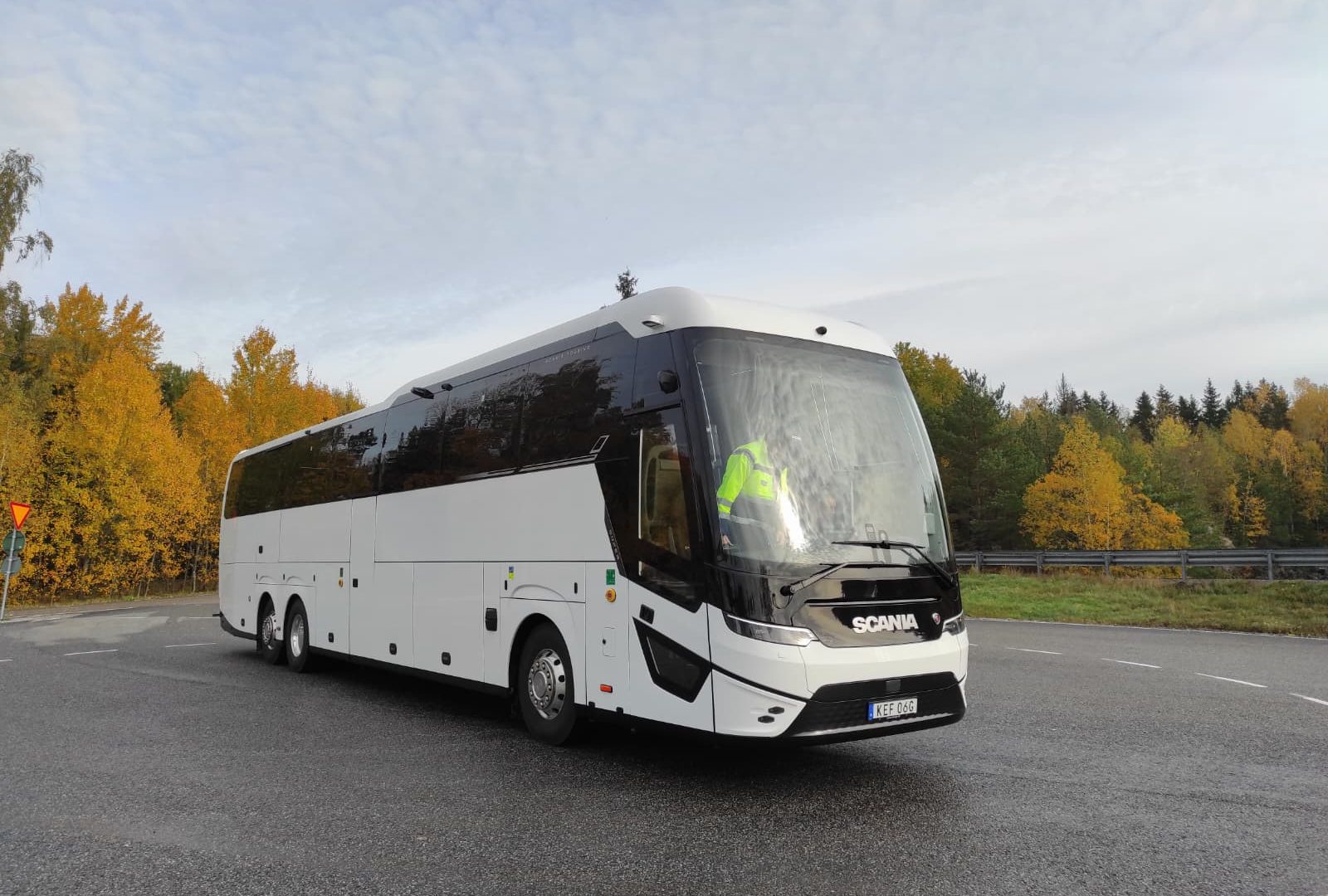
New Scania Touring: six lengths and the Super powertrain platform
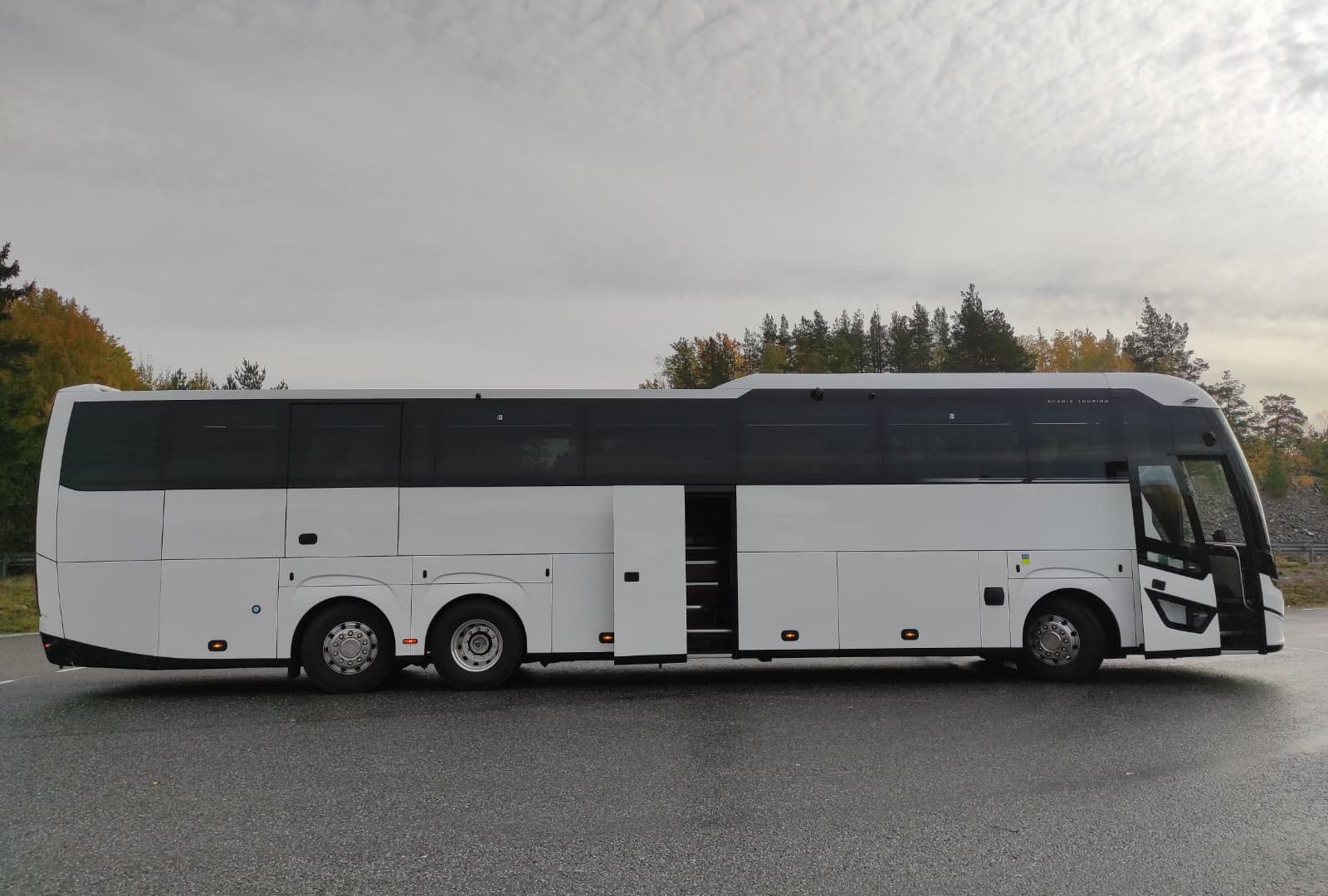
Alongside the electrification programme, Scania introduced further details of the new generation of its Touring coach, developed with Higer, which also manufactured the bodywork of the previous generation.
The new Touring is already in production and available for ordering, with six body lengths covering both two-axle and three-axle configurations.
Two-axle versions measure 10.9, 12.3 and 13 metres, while the three-axle range comprises 13.2, 13.9 and 14.7-metre variants.
The new model is based on the Scania Super platform, designed to accommodate different propulsion technologies. Diesel and battery-electric solutions are currently included in the offering, while gas and hydrogen applications are planned for a later stage.
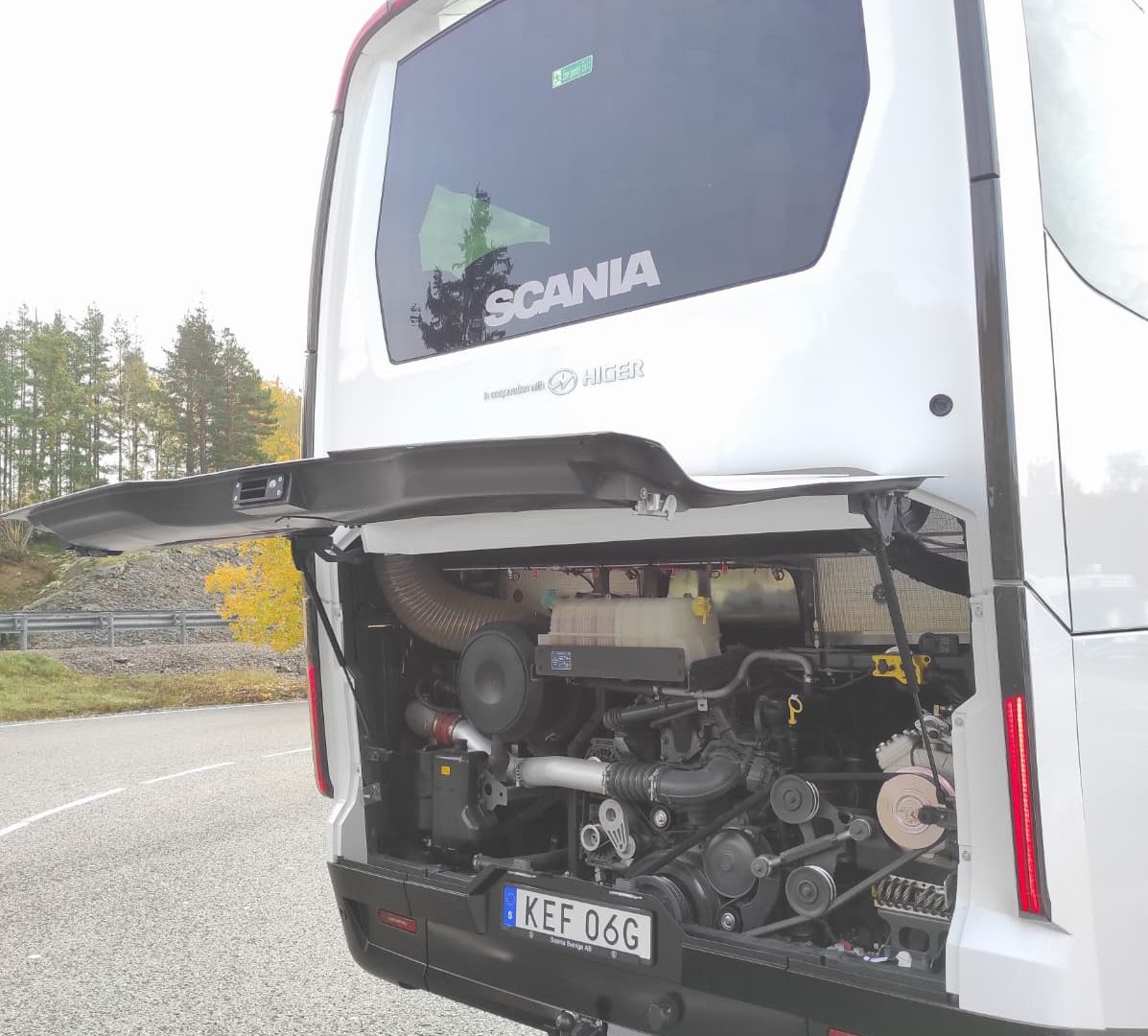
For conventional powertrains, Scania has introduced the Super 13 and Super 11 engines, with displacements of 13 and 11 litres respectively. The presentation identifies Euro 3, Euro 5 and Euro 6 configurations, while the platform is also designed with future Euro 7 requirements in mind.
According to Scania, the Super 13 powertrain delivers approximately 8% lower fuel consumption compared with the previous engine generation, while the 11-litre engine is reported to achieve savings of up to 10%.
The powertrain incorporates the new G25CM transmission and an updated rear axle.
Additional developments concern noise and vibration levels, particularly at the rear of the vehicle, as well as the driver’s working environment. The redesigned cockpit provides changes to available space, ergonomics and visibility.
Scania electric bus and coach platforms: BEV and PHEV
Scania’s electrified portfolio includes several chassis architectures designed for urban, intercity and coach applications.
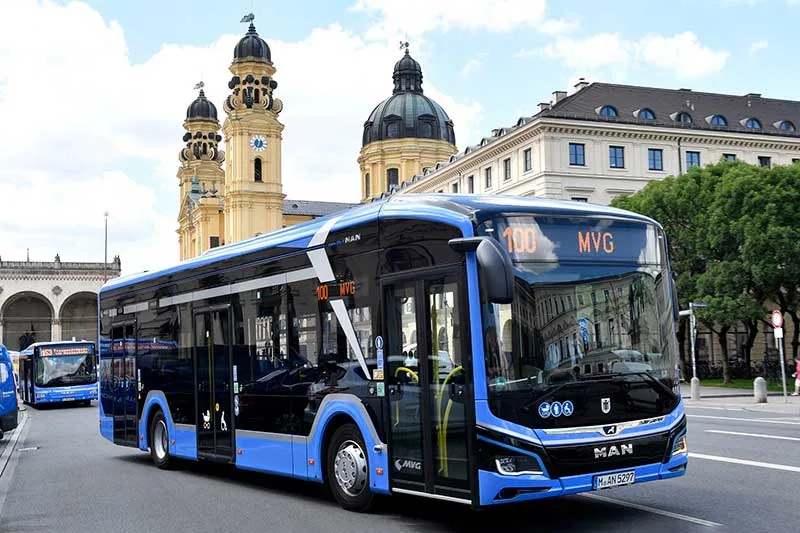
The battery-electric offering comprises low-entry BEV chassis in 4×2 LE and 6×2*4 LE configurations, alongside high-floor BEV platforms available in 4×2 HF and 6×2*4 HF layouts.
The high-floor portfolio also includes plug-in hybrid electric vehicle (PHEV) configurations, available in both 4×2 HF and 6×2*4 HF versions.
Battery-electric technology entered the company’s development timeline in 2017. A low-floor BEV platform was introduced in 2019, followed by the launch of the low-entry battery-electric platform in 2023.
Despite these developments, Scania remains an exception among major European bus manufacturers in terms of battery-electric bus market penetration. While other established European OEMs have developed sizeable electric bus businesses, Scania has yet to establish a comparable commercial presence in the segment, with its battery-electric bus deployments so far limited to relatively small fleets, primarily in Nordic countries.
Scania electric powertrains: six output levels from 240 to 400 kW
The electric propulsion range presented by Scania includes six continuous power ratings: 240, 270, 300, 330, 360 and 400 kW.
According to the technical specifications shared by the manufacturer, the 240 kW electric machine is paired with an integrated two-speed gearbox. The remaining five power ratings, from 270 to 400 kW, feature integrated four-speed transmissions.
Scania identifies the electric machine, gearbox, batteries and integrated cooling system as components developed within its own industrial framework. Power electronics are also included in the propulsion architecture.
The available battery configurations presented during the event offer installed energy capacities of 267, 356, 445 and 534 kWh.
Scania batteries: 89 and 180 kWh packs assembled in Södertälje
Battery manufacturing was another focus of the visit, which included Scania’s battery laboratory and assembly facility in Södertälje.
The manufacturer assembles battery modules and packs internally and uses its own Battery Management System (BMS).
Two battery pack configurations were detailed during the presentation. The first, designated 1/2MP20, has an installed energy capacity of 89 kWh and an approximate weight of 600 kg. The technical documentation also indicates a 90% state of charge (SOC). The larger MP20 battery pack provides 180 kWh of installed energy, with an approximate weight of 1,150 kg and the same 90% SOC figure indicated in the presentation.