Slovenia’s capital city Ljubljana puts 25 eCitaro and 10 eCitaro G fuel cell buses into service
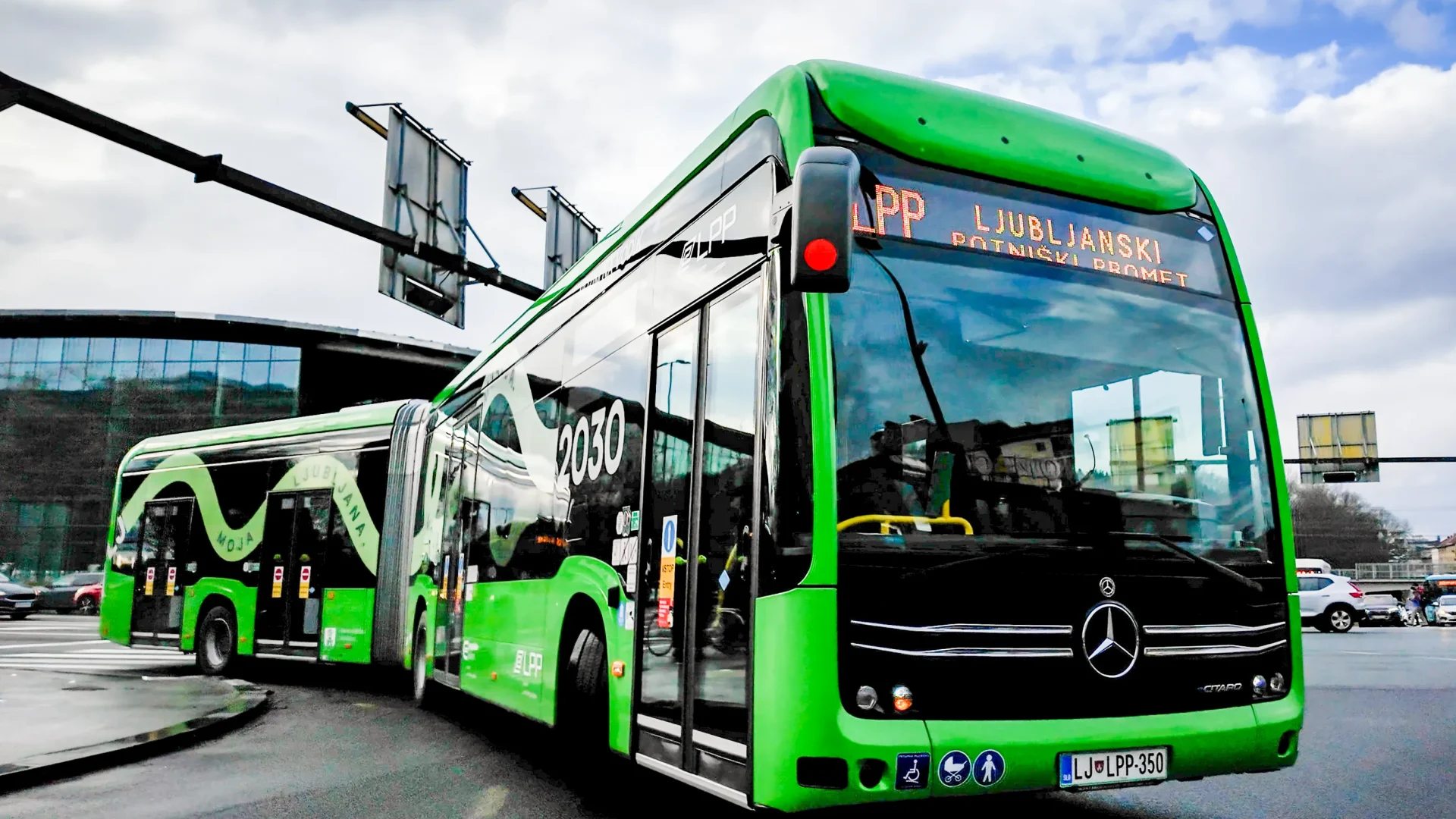
Ljubljana’s public transport operator LPP, in Slovenia, has put 25 battery-electric Mercedes eCitaro and ten eCitaro G fuel cell buses into operation. The deployment, according to Daimler Truck’s news release, represents the largest fleet modernisation project in the history of Ljubljanski Potniški Promet (LPP). The Slovenian municipal operator has also established charging and hydrogen infrastructure […]
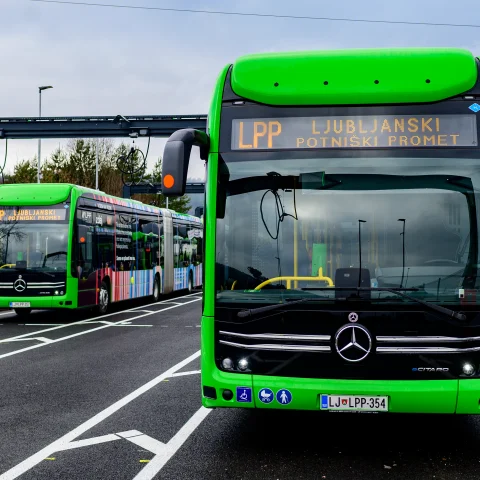
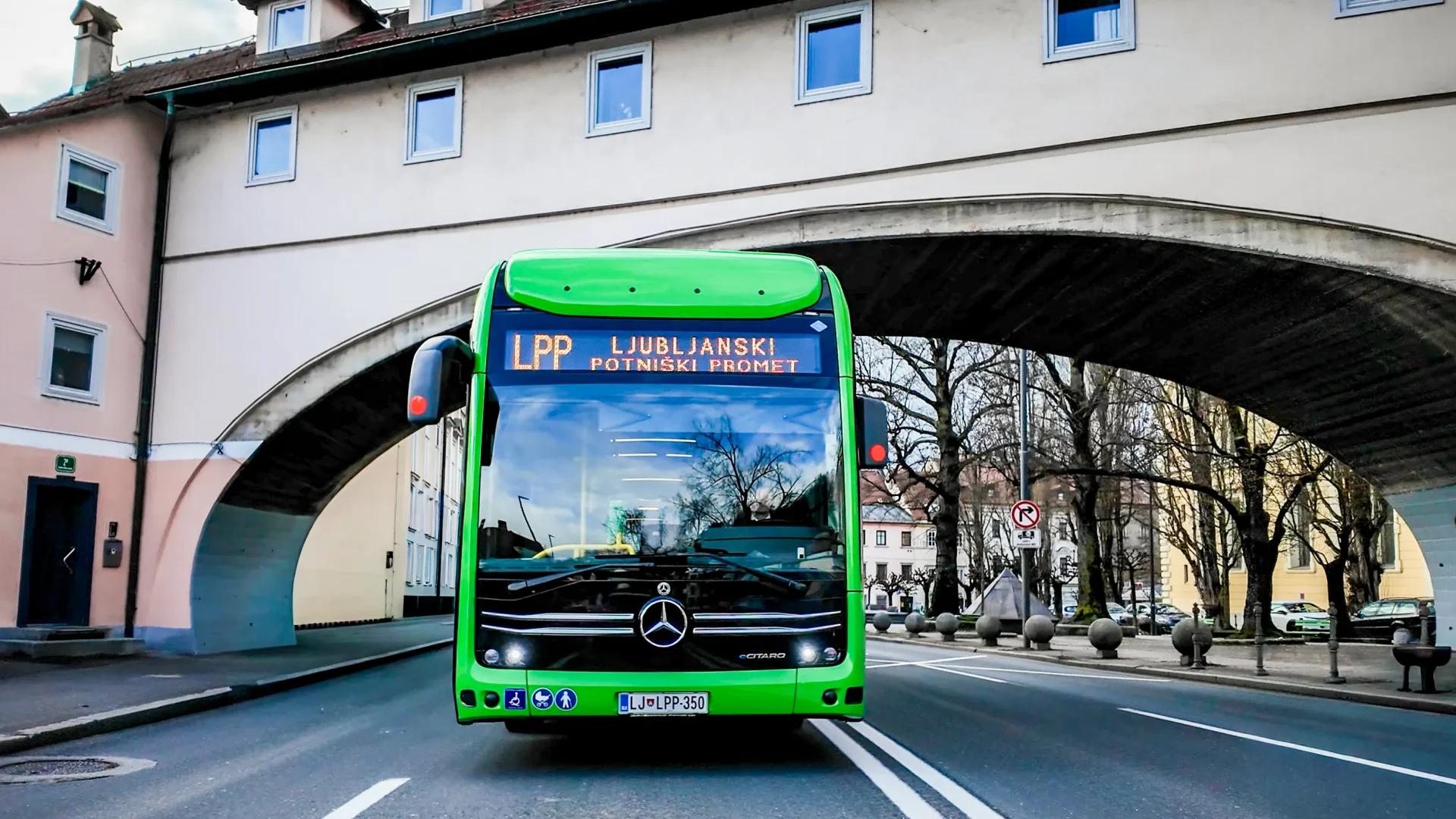
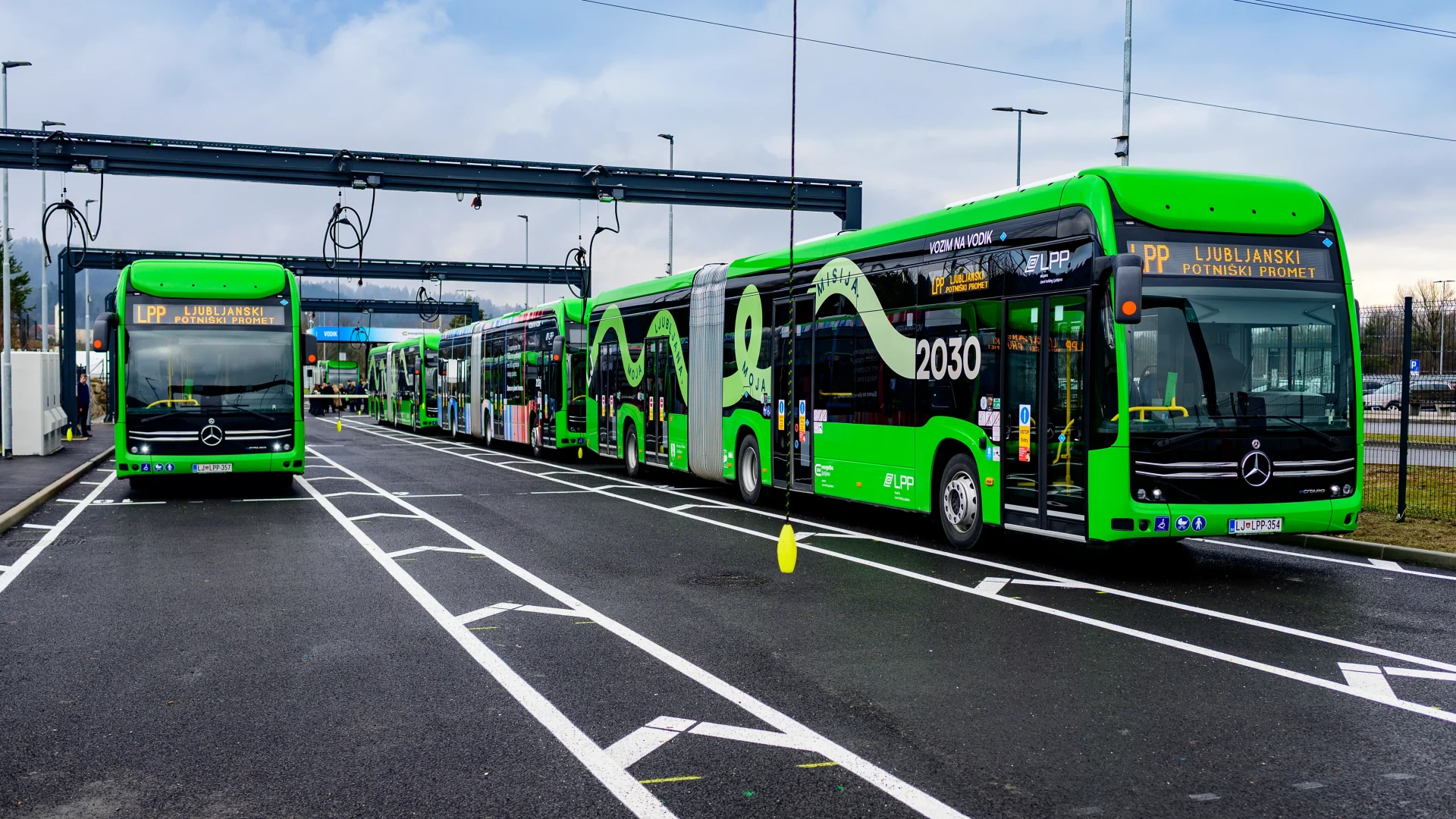
Ljubljana’s public transport operator LPP, in Slovenia, has put 25 battery-electric Mercedes eCitaro and ten eCitaro G fuel cell buses into operation.
The deployment, according to Daimler Truck’s news release, represents the largest fleet modernisation project in the history of Ljubljanski Potniški Promet (LPP). The Slovenian municipal operator has also established charging and hydrogen infrastructure and adapted its operational processes to accommodate the vehicles.
Daimler Truck had delivered more than 2,500 eCitaro buses by July 2025, following the start of series production in late 2018. The range includes standard-length, compact and articulated models, alongside versions equipped with a hydrogen fuel cell range extender. The eCitaro G fuel cell tested by Sustainable Bus combined 392 kWh of NMC3 batteries with a 60 kW Toyota fuel cell. Daimler subsequently presented an additional hydrogen-only operating strategy at its eMobility Days 2024, allowing operation without battery charging in specified operating conditions.
Battery development has meanwhile progressed to BMZ-supplied NMC4 packs, presented at Mobility Move 2026. Each pack stores 111 kWh, compared with 98 kWh for NMC3, with maximum installed capacities reaching 666 kWh on the solo eCitaro and 777 kWh on the articulated model.
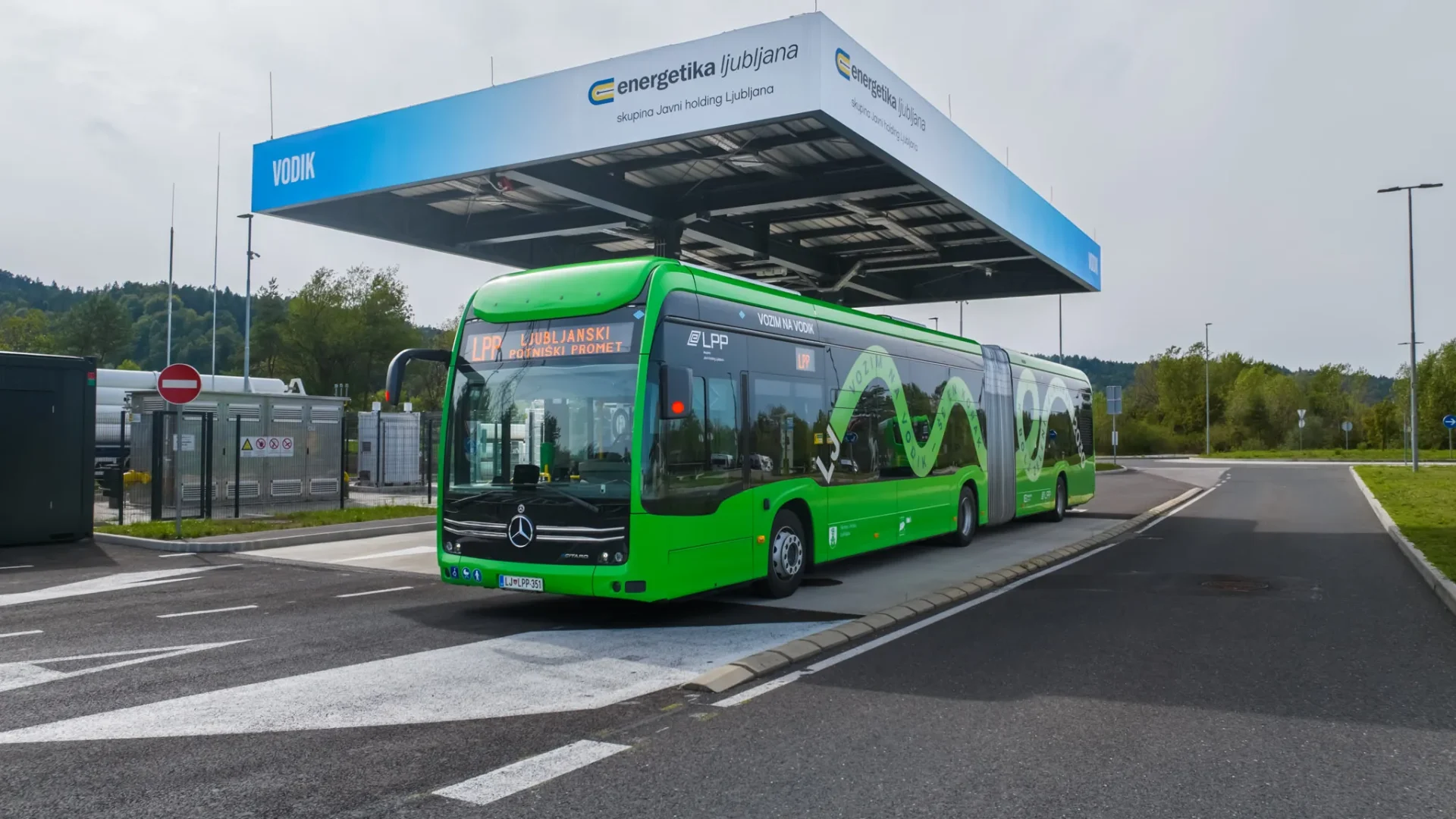
Ljubljana combines battery-electric and fuel cell buses
Ljubljana offers a distinctive example of battery-electric and hydrogen technologies deployed within the same fleet. According to a recent study drawing on 34 international experts, battery-electric buses rank first overall, while hydrogen scores better on range and refuelling time; mixed fleets face additional infrastructure, maintenance and training requirements.
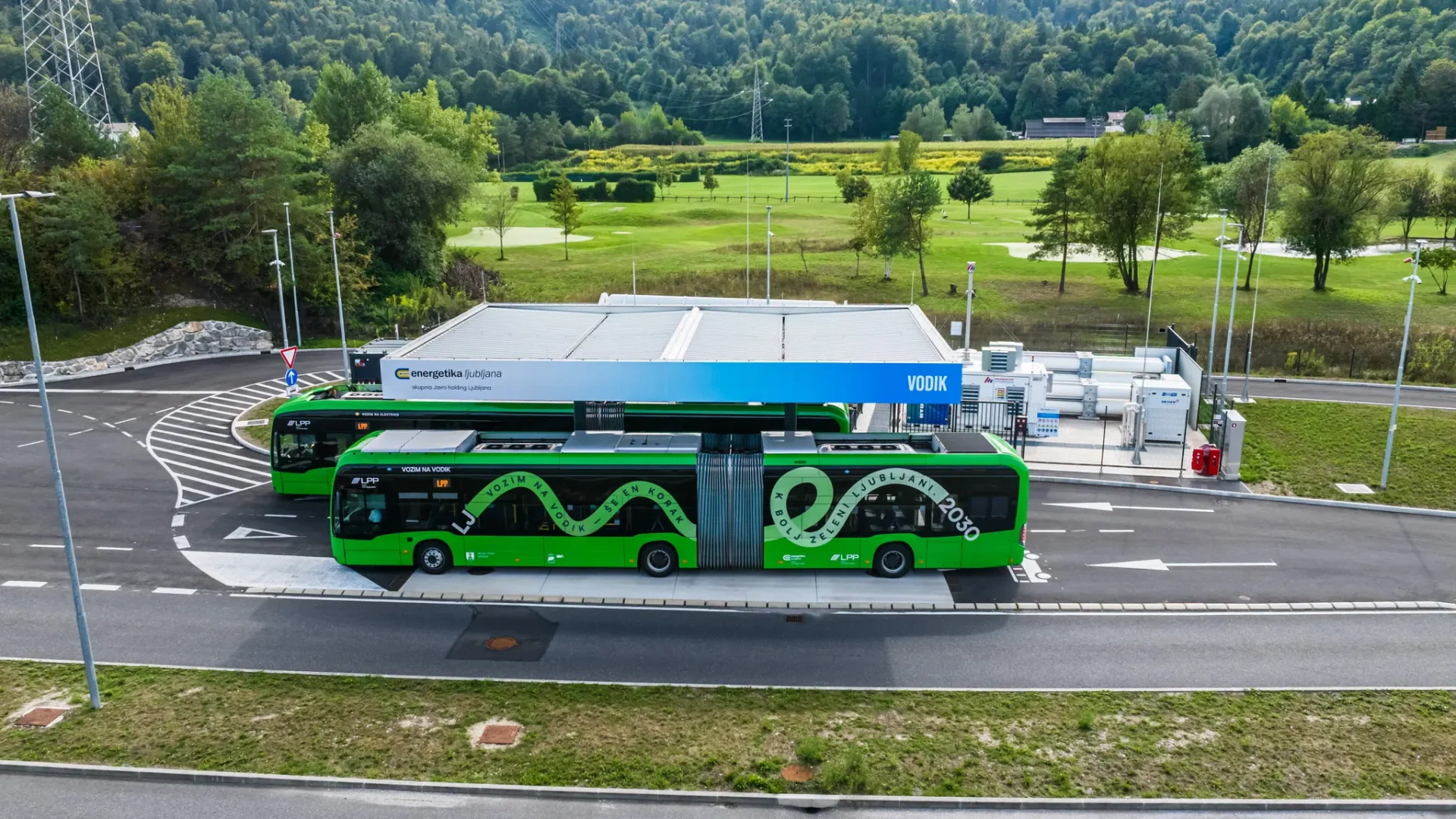
The delivered fleet comprises 25 battery-electric eCitaro buses and ten articulated eCitaro G fuel cell buses. The latter combine batteries with a hydrogen fuel cell acting as a range extender, as described in Mercedes-Benz’s technical documentation.
The manufacturer states that LPP uses the battery-electric vehicles on urban routes with predictable duty cycles and regular charging opportunities. The fuel cell range-extender vehicles complement them on routes with higher range requirements and additional operational flexibility needs.
In brief
- How many buses has LPP deployed? A total of 35 Mercedes-Benz buses within one year: 25 eCitaro and ten eCitaro G fuel cell.
- What technology does the eCitaro G fuel cell use? It combines batteries with a hydrogen fuel cell acting as a range extender.
- Has infrastructure been installed? LPP has established charging and hydrogen infrastructure alongside the fleet renewal.
- How significant is the investment for LPP? Daimler Truck describes it as the largest fleet modernisation project in the operator’s history.
The operator’s fleet renewal therefore incorporates both battery charging and hydrogen refuelling within its scheduled service operations.
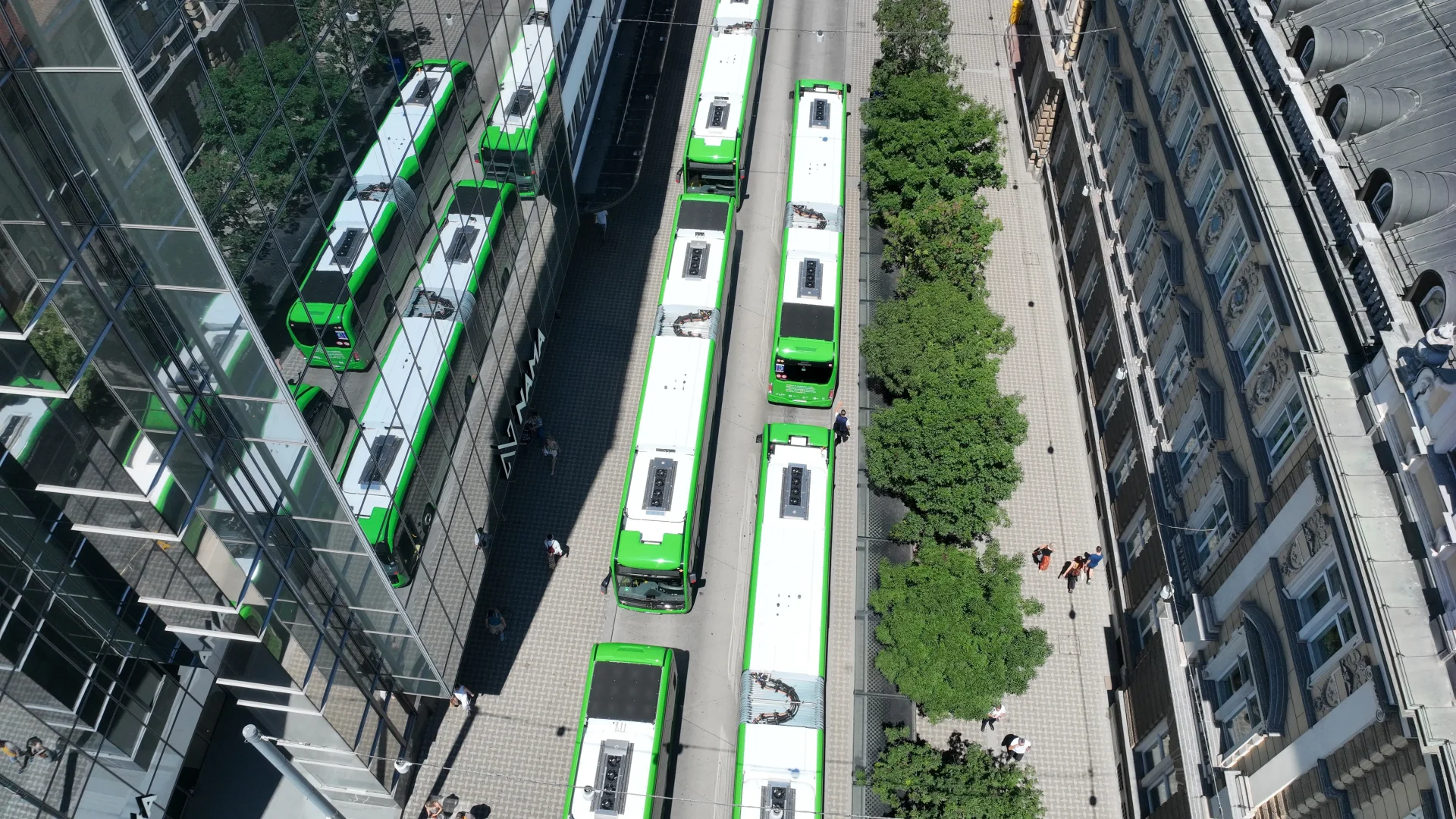
Alongside the vehicle deployment, LPP has installed the infrastructure required for both technologies and further developed the operational processes supporting their use, according to the manufacturer.
The project also supports Ljubljana’s participation in the European “100 Climate-Neutral and Smart Cities” initiative.
“Over the past year, we have built a locally CO₂-free fleet based on both battery-electric and hydrogen technology. Together, they create the foundation for reliable and future-ready public transport,” says Dr. Rok Vihar, CEO of LPP.
“The transition to locally CO₂-free mobility today is far more than simply a vehicle issue. What matters is the interaction between vehicle technology, infrastructure, and operational expertise. LPP impressively demonstrates how these elements can work together successfully to create efficient and future-ready public transport,” says Rasto Oderlap, CEO of Autocommerce, the general distributor of Mercedes-Benz buses in Slovenia.