US e-bus production localization, Altoona certification and Buy America compliance: Solaris CEO Agata Standa outlines the roadmap
Solaris is preparing to establish bus production in the United States at CAF’s manufacturing facility in Elmira, New York, with vehicle certification and compliance with Buy America requirements among the next steps. The facility currently employs around 300 people, while pilot electric buses for Seattle and San Francisco are scheduled to be delivered from Poland […]
Solaris is preparing to establish bus production in the United States at CAF’s manufacturing facility in Elmira, New York, with vehicle certification and compliance with Buy America requirements among the next steps. The facility currently employs around 300 people, while pilot electric buses for Seattle and San Francisco are scheduled to be delivered from Poland starting in early 2027.
The move follows the unveiling of the Solaris Urbino 40 electric at APTA Expo 2026 in Chicago, a 40-foot battery-electric bus developed for North America.
Solaris currently has orders for ten electric buses in North America: King County Metro has ordered two 40-foot and two 60-foot vehicles (with option for further 14 units), while San Francisco has contracted three standard and three articulated buses. A larger order of trolleybuses was achieved in Canada.
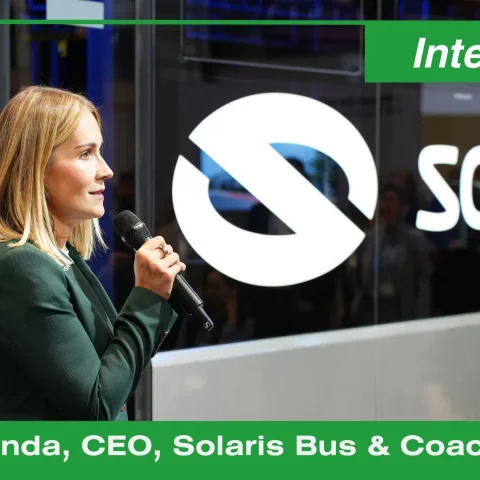
In this interview with Sustainable Bus, Agata Standa, CEO of Solaris since July 2025, discusses the industrial setup at Elmira, the localisation process, the competitive environment and the company’s strategy for developing manufacturing and after-sales operations in North America.
Today, our immediate priority is the successful completion of the validation and certification process. The next key milestone is obtaining the Altoona test certification, which is an important requirement for many transit agencies in the United States. We will also continue with the additional testing and validation activities required by specific customers and jurisdictions. The first demonstration vehicles are now in the United States, including the bus showcased at the APTA Expo in Chicago. Additional pilot vehicles for Seattle and San Francisco are scheduled to be delivered from Poland starting in early 2027.
Agata Standa, CEO, Solaris Bus & Coach
Agata Standa on Solaris US production roadmap
Solaris has decided to establish production in the United States at CAF’s Elmira facility in New York State. What led to this decision?
The decision to enter the U.S. market was already made a couple years ago. From the very beginning, we knew that one of the key elements of our strategy would be establishing a manufacturing footprint in the United States to meet local content requirements. We evaluated a number of different options and potential locations. After carefully assessing various factors and to accelerate time to market, we decided that Solaris buses for the U.S. market would be produced at CAF’s existing manufacturing facilities in the United States. Naturally, those facilities required certain adaptations to accommodate bus production rather than rail vehicles, but this was still a significantly more efficient and faster solution than building a completely new plant from scratch.
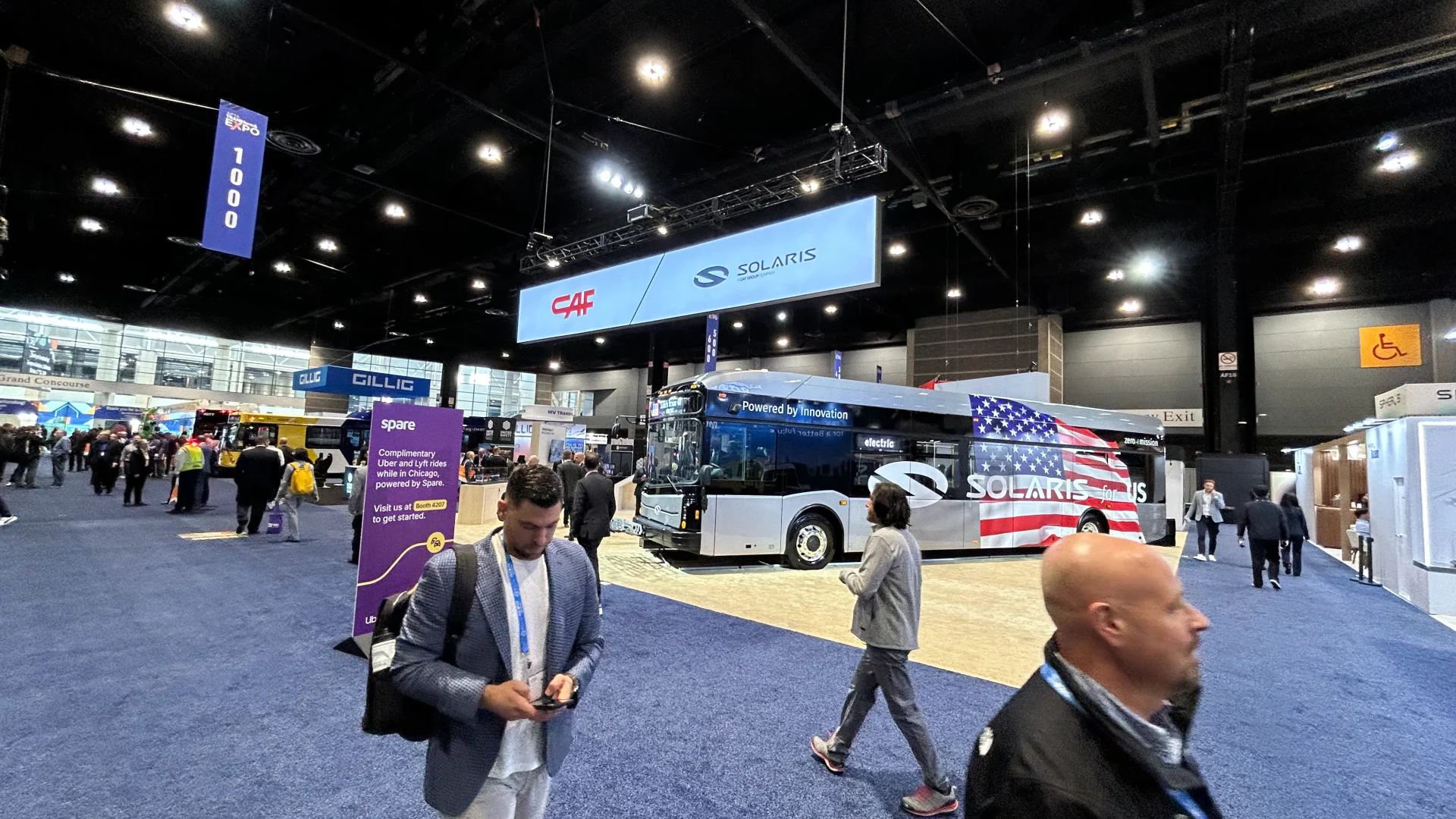
As we continued to learn more about the U.S. market, we gained a deeper understanding of the local supply chain, the competitive landscape, and the evolving funding environment for public transportation. These considerations reinforced our decision to leverage CAF’s presence in the urban mobility space to launch Solaris production in the United States.
We plan to approach the U.S. market in a pragmatic, measured, and responsible way, focusing first and foremost on delivering a high-quality product, building trust with our customers, and establishing a solid foundation for long-term growth.
How is production being organised at Elmira in practical terms, and what steps have been taken to transfer Solaris’s manufacturing operations to the facility?
The decision to leverage CAF’s existing facility in Elmira was a natural step in our U.S. market entry strategy. The site offers an established industrial environment, experienced personnel, and the infrastructure required to support the introduction of a new product platform.
From the outset, we were aware that meeting Buy America requirements and completing all necessary certifications would be a multi-stage process. As a result, we adopted a phased approach that allowed us to gradually transfer know-how, establish local processes, and build relationships with suppliers and partners.
The collaboration with CAF enables us to combine Solaris’ expertise in electric bus technology with CAF’s longstanding manufacturing experience in the United States. This provides a strong foundation for the localization of production while ensuring the highest standards of quality, safety, and operational excellence.
To support this process, Solaris established a dedicated industrial team responsible for coordinating technology transfer, production preparation, and process implementation. Close cooperation between teams in Bolechowo and Elmira has allowed us to effectively share knowledge, align manufacturing standards, and ensure a smooth launch of operations.
We have now successfully completed the next important milestone in this journey and continue to advance our localization strategy, including further development of vehicles designed to meet U.S. regulatory and customer requirements.
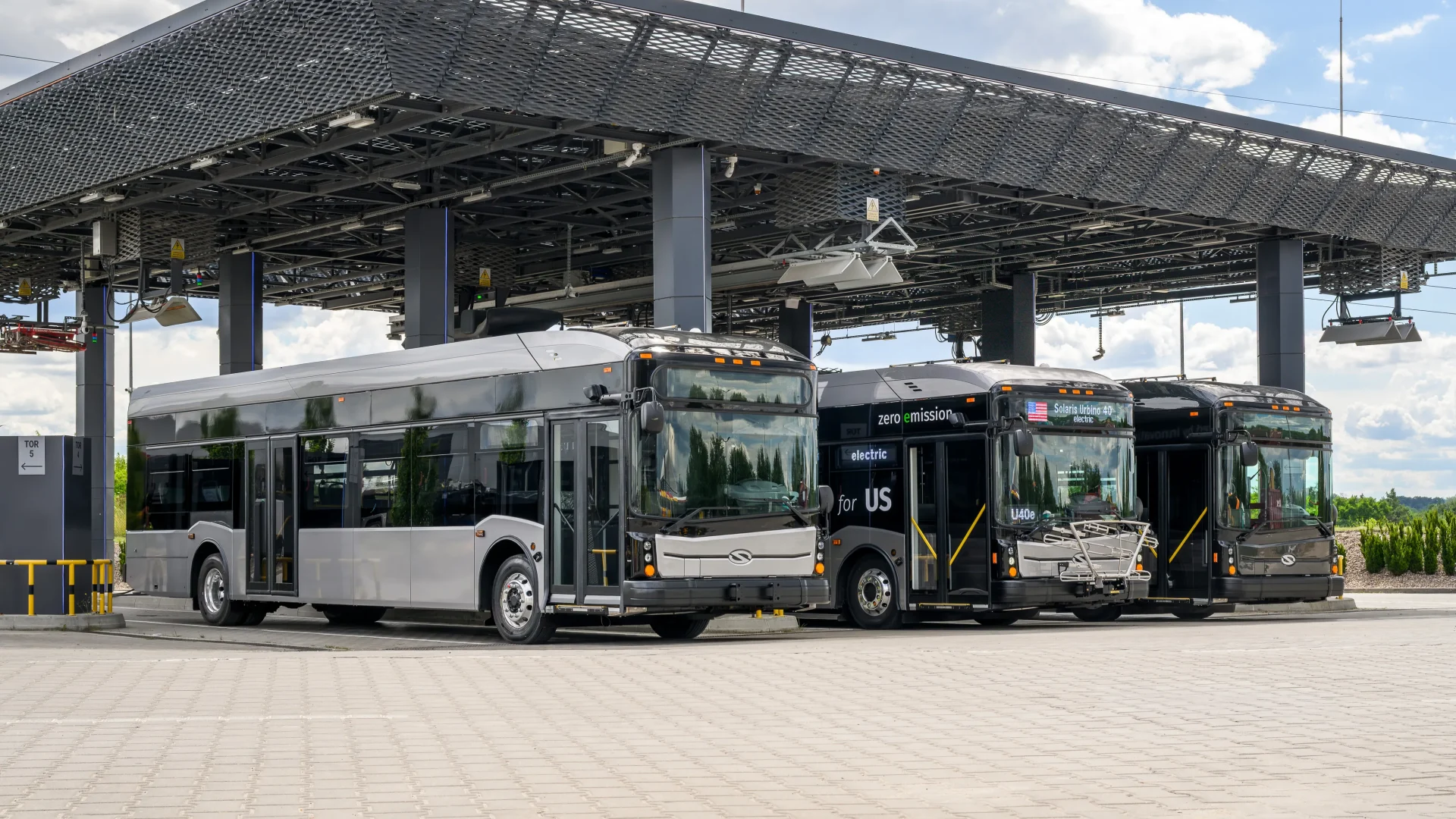
Elmira, New York, is the base for Solaris US’ expansion
How many people are currently employed at Elmira, and how many have been recruited specifically for Solaris operations?
The Elmira facility currently employs around 300 people. The workforce supports both rolling stock and bus manufacturing activities, allowing us to benefit from a broad range of skills and industrial expertise across the site.
As Solaris expands its presence in the U.S. market, the organizational structure and workforce dedicated to bus production may evolve further. The scale and composition of the team will ultimately depend on the volume and nature of future orders to be delivered by both CAF in the rail sector and Solaris in the bus segment.
This flexible approach allows us to efficiently adapt resources to business needs while ensuring the highest standards of quality, productivity, and operational excellence.
Solaris’s US operations are effectively a new industrial venture. Have you established a timeline for reaching a break-even point to balance the initial investment?
Entering the North American market has long been part of our strategic roadmap. At the same time, we have adopted a phased and disciplined approach, focused on building a sustainable long-term presence and meeting all regulatory and customer requirements.
Today, our immediate priority is the successful completion of the validation and certification process. The next key milestone is obtaining the Altoona test certification, which is an important requirement for many transit agencies in the United States. We will also continue with the additional testing and validation activities required by specific customers and jurisdictions.
Depending on the specific requirements of each project, we will adopt the most appropriate service model, combining Solaris’ own resources with local partners and, where relevant, the capabilities of our customers. Our priority is to ensure that every operator benefits from reliable technical support, efficient maintenance services, and a high level of operational availability throughout the vehicle lifecycle.
Agata Standa, CEO, Solaris Bus & Coach
For us, after-sales support is just as important as manufacturing and product delivery. That is why we are developing both areas in parallel as part of our long-term strategy for North America.
We have already taken significant steps in this process. The first demonstration vehicles are now in the United States, including the bus showcased at the APTA Expo in Chicago. Additional pilot vehicles for Seattle and San Francisco are scheduled to be delivered from Poland starting in early 2027.
Our growth plans are based on market forecasts and a long-term commitment to the region. As we continue to expand our presence and gain experience in the market, we intend to gradually increase local production capabilities. In line with our current assumptions, the next vehicles will be produced in the United States and will be designed to meet local content requirements.
As with any new market, the pace of development will ultimately be determined by customer demand and the opportunities that emerge. Our objective is to grow step by step, building on a strong product offering, close customer cooperation, and a robust manufacturing and service foundation in North America.
On the evolution of the US zero emission bus market
Are you confident that demand for battery-electric buses will be sufficient to support the business case?
We believe the U.S. market is sufficiently large to support our long-term growth ambitions in the battery-electric bus segment. We are confident that our product offering will be well received by transit agencies and operators, ultimately translating into new business opportunities and orders.
Electrification of public transport continues to advance, and we believe Solaris is well positioned to support this transformation with proven products and extensive experience from European markets. At the same time, we are approaching the U.S. market with a long-term perspective, focusing on building strong customer relationships.
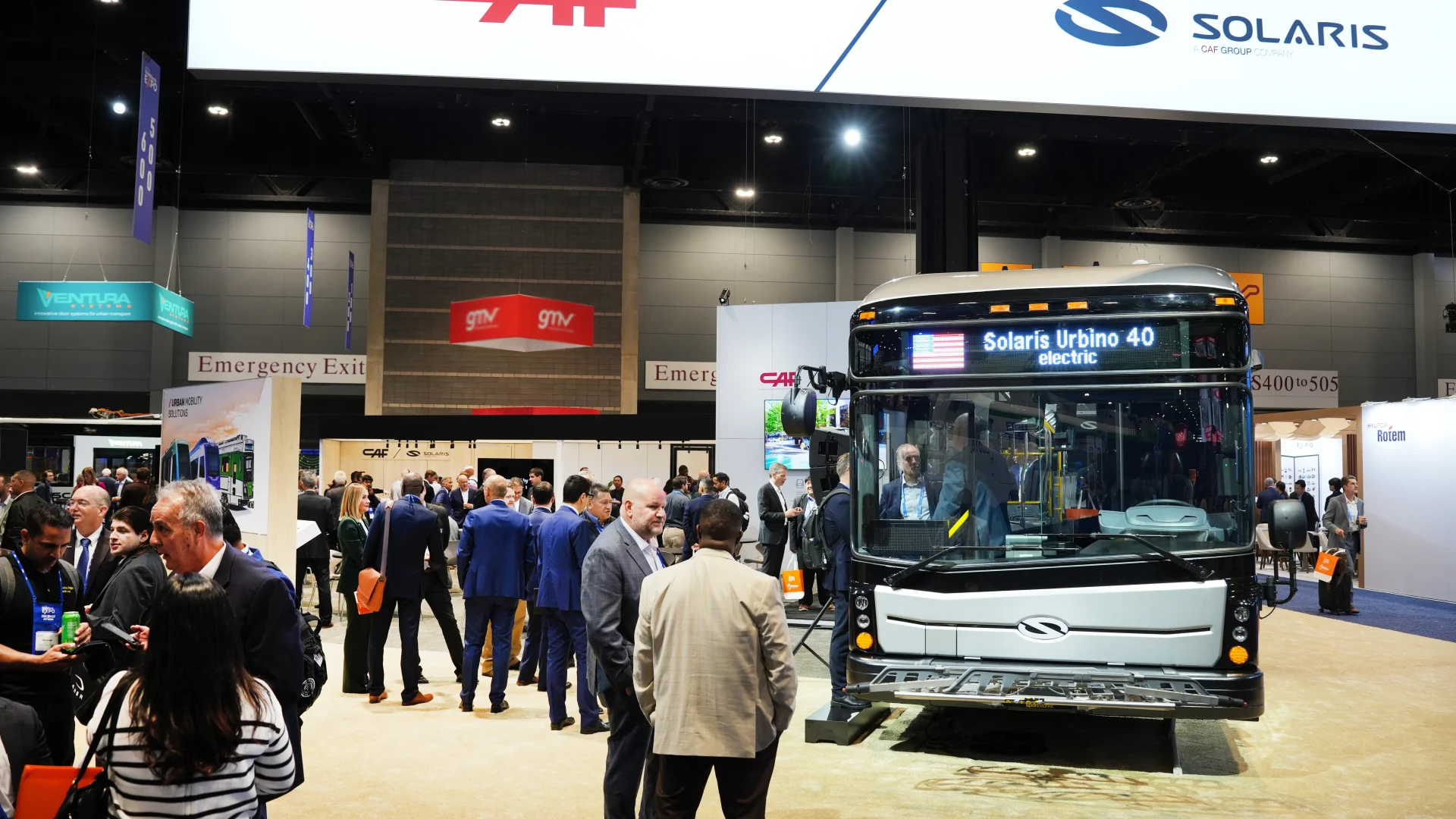
The US transit bus market is changing, it used to be very concentrated but we’ve seen at the APTA expo that the ‘pool’ of manufacturers is growing. What do you see as Solaris’s main competitive advantage in this environment?
We believe Solaris brings to the U.S. market a proven and mature battery-electric bus platform that has been successfully deployed by operators across Europe for many years. This extensive operational experience gives us a strong foundation and allows us to offer solutions that have already demonstrated their reliability, efficiency, and performance in daily service.
At the same time, our ambition goes beyond the vehicle itself. By combining Solaris’ expertise in electric mobility with a strong local industrial footprint and a robust supplier network in the United States, as well as long-standing partnerships with a number of globally recognized suppliers we already work with in Europe, we aim to provide a highly competitive and attractive offering for U.S. transit agencies.
The development of our U.S. product has been guided by a continuous dialogue with customers and stakeholders, ensuring that the vehicle is tailored to local operational requirements and expectations. This customer-focused approach remains at the heart of our strategy.
We were aware that meeting Buy America requirements and completing all necessary certifications would be a multi-stage process. As a result, we adopted a phased approach that allowed us to gradually transfer know-how, establish local processes, and build relationships with suppliers and partners. The collaboration with CAF enables us to combine Solaris’ expertise in electric bus technology with CAF’s longstanding manufacturing experience in the United States. To support this process, Solaris established a dedicated industrial team responsible for coordinating technology transfer, production preparation, and process implementation. Close cooperation between teams in Bolechowo and Elmira has allowed us to effectively share knowledge, align manufacturing standards, and ensure a smooth launch of operations.
Agata Standa, CEO, Solaris Bus & Coach
Equally important is our commitment to supporting operators throughout the entire lifecycle of the vehicle. Alongside the product itself, we are investing in service, technical support, spare parts availability, and long-term customer partnerships to ensure the highest level of reliability and operational confidence.
We see significant opportunities in the continued development of zero-emission public transportation in North America and look forward to growing our presence in the market together with our customers and partners in the years ahead.
Solaris in North America: what about after-sales?
Establishing a reliable after-sales network is particularly important for a new entrant. How does Solaris intend to build customer confidence across North America?
We are already establishing our after-sales presence in North America, beginning with Canada, where the Vancouver trolleybus project is now underway. This provides a strong foundation for building long-term customer support capabilities in the region.
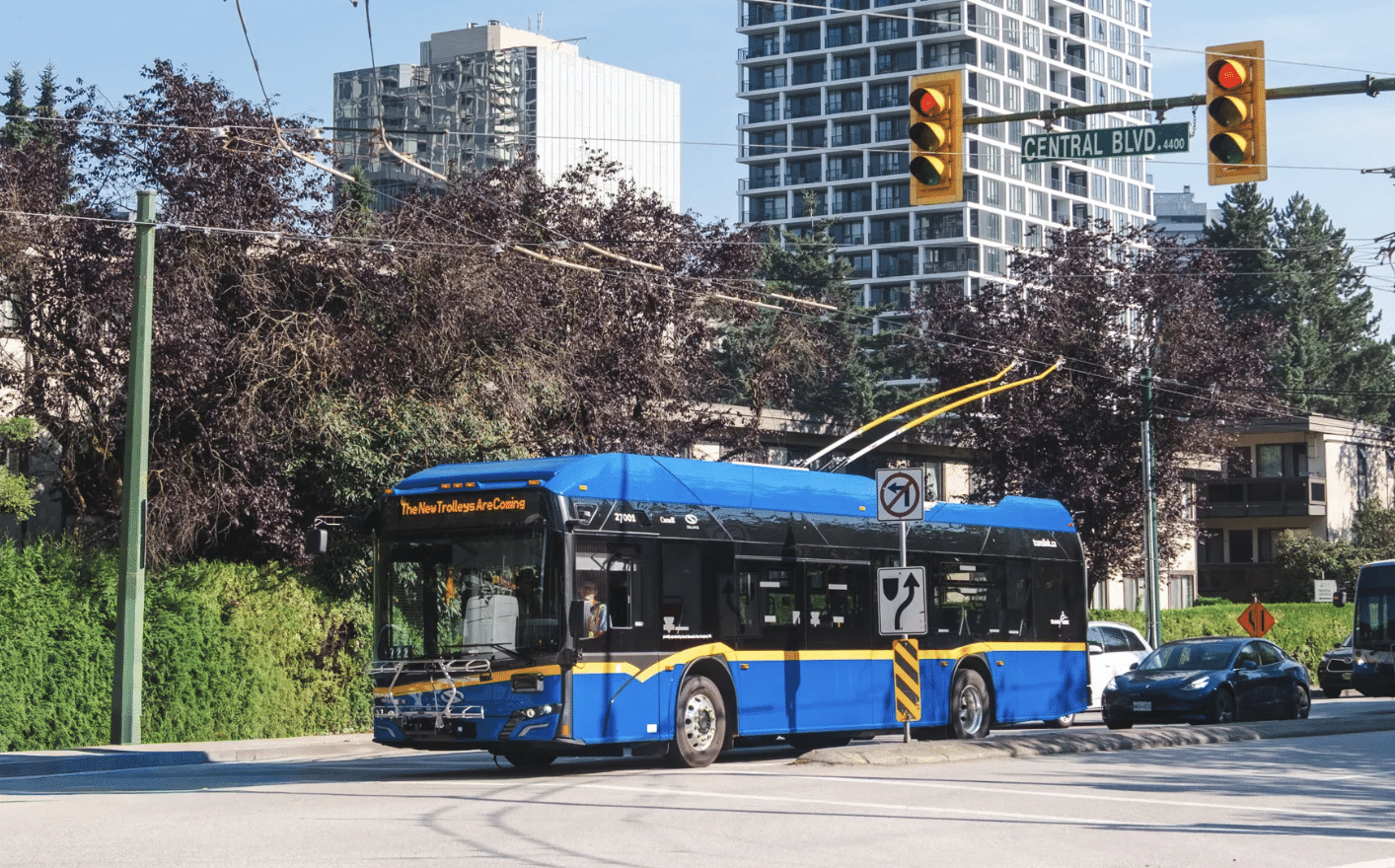
As our business continues to grow, we will further expand our service and support network in a measured and sustainable manner, aligning it closely with the pace of vehicle deliveries and customer needs. This is the same approach that has successfully supported Solaris’ growth across Europe over the years.
Depending on the specific requirements of each project, we will adopt the most appropriate service model, combining Solaris’ own resources with local partners and, where relevant, the capabilities of our customers. Our priority is to ensure that every operator benefits from reliable technical support, efficient maintenance services, and a high level of operational availability throughout the vehicle lifecycle.
For us, after-sales support is just as important as manufacturing and product delivery. That is why we are developing both areas in parallel as part of our long-term strategy for North America.
As additional vehicles are delivered to customers in the United States and Canada, we will continue to strengthen our local support capabilities, ensuring that operators can benefit not only from proven vehicle technology but also from comprehensive service, technical expertise, and responsive customer care.
You mentioned Solaris’ cautious approach to entering North America. How will this influence your strategy for securing new contracts and expanding your presence across such a large market?
North America is a large and diverse market, which means that different customers have different operational needs and priorities. Our strategy is therefore to work closely with transit agencies, understand their specific requirements, and offer solutions that create long-term partnerships rather than focusing solely on short-term growth.
We are encouraged by the level of interest we have seen from operators across the region and look forward to gradually expanding our footprint as we continue to strengthen our local organization, manufacturing capabilities, and after-sales network.
Ultimately, our objective is to grow in a way that ensures every customer receives the same high level of support, reliability, and commitment that Solaris is known for in Europe.