Svealandstrafiken looks at the electrification of regional buses with a tender for up to 64 units
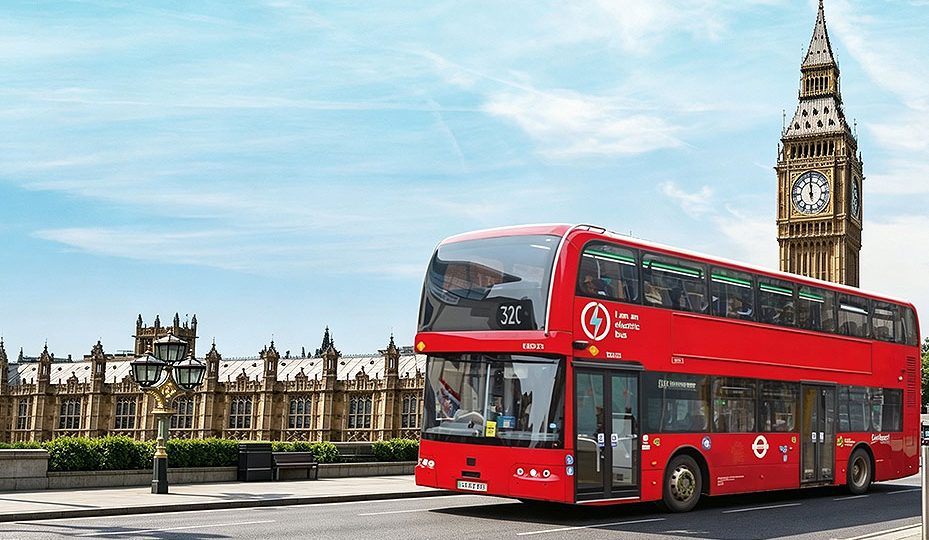
The Swedish public transport operator Svealandstrafiken is about to issue a procurement for electric buses for regional traffic in Västmanland and Örebro län. The same operator has recently awarded a contract to Ebusco, that follow a first commission landed in early summer 2022. The news is reported on local trade media Bussmagasinet.se, that notes: “Skånetrafiken […]
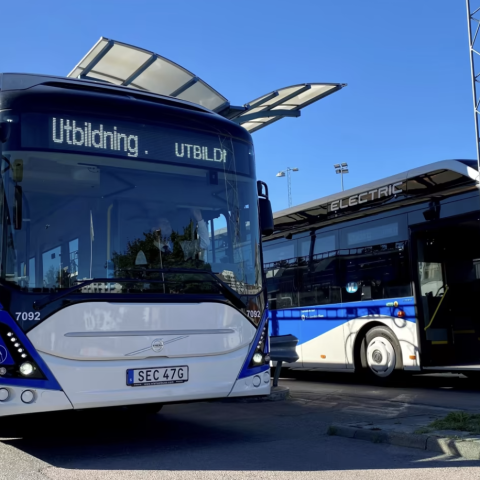
The Swedish public transport operator Svealandstrafiken is about to issue a procurement for electric buses for regional traffic in Västmanland and Örebro län. The same operator has recently awarded a contract to Ebusco, that follow a first commission landed in early summer 2022.
The news is reported on local trade media Bussmagasinet.se, that notes: “Skånetrafiken and Bergkvarabuss were a year ago the first in the country with electric buses for regional operations. Now Svealandstrafiken will procure electric buses as well: in the first place, there are 23 battery-powered buses for delivery in autumn 2024”.
Electric buses for regional operations in Sweden
And there is an option for an additional 41 battery-electric buses for later delivery. A total of 64 buses could therefore be sold. The maximum value for the procurement is set at SEK 500 million (a little less than 46 million euros), including options.
The tender focuses on Class II buses with length between 12 and 15 meters. Both low entry and low floor. At least 46 seats are required, in addition to wheelchair spaces and prams, and at least 250 km range has to be covered on one charge, still according to Bussmagasinet.se. Charging takes place in the depot via a CCS connector.
“In the procurement, Svealandstrafiken sets clear requirements regarding social and environmental sustainability in the production of the buses. At the same time, the company admits that the supply chains are both long and complex. A bus contains around 30,000 components and each component has its own production chain. Both the vehicle and its components are manufactured practically all over the world. Svealandstrafiken wants the supplier to “work actively for a comprehensive reporting of traceability for critical materials in the entire supply chain”. The aim must be 100 percent traceability and the supplier must describe in its tender how it works with mapping the supply chains.”, Bussmagasinet.se adds.