John Obert, ENC: rebuilding US bus production with a multi-propulsion approach, targeting capacity of 800–1,000 buses a year
ENC – formerly ElDorado National California – is going through a new industrial phase in the US transit bus market. The California-based manufacturer was acquired from REV Group by Rivaz in late 2024, with bus production restarting in 2025 after a temporary pause during the ownership transition. Since the acquisition, Rivaz says it has invested […]
ENC – formerly ElDorado National California – is going through a new industrial phase in the US transit bus market. The California-based manufacturer was acquired from REV Group by Rivaz in late 2024, with bus production restarting in 2025 after a temporary pause during the ownership transition. Since the acquisition, Rivaz says it has invested more than $50 million in the operation, including facility upgrades, workforce development and planned expansion.
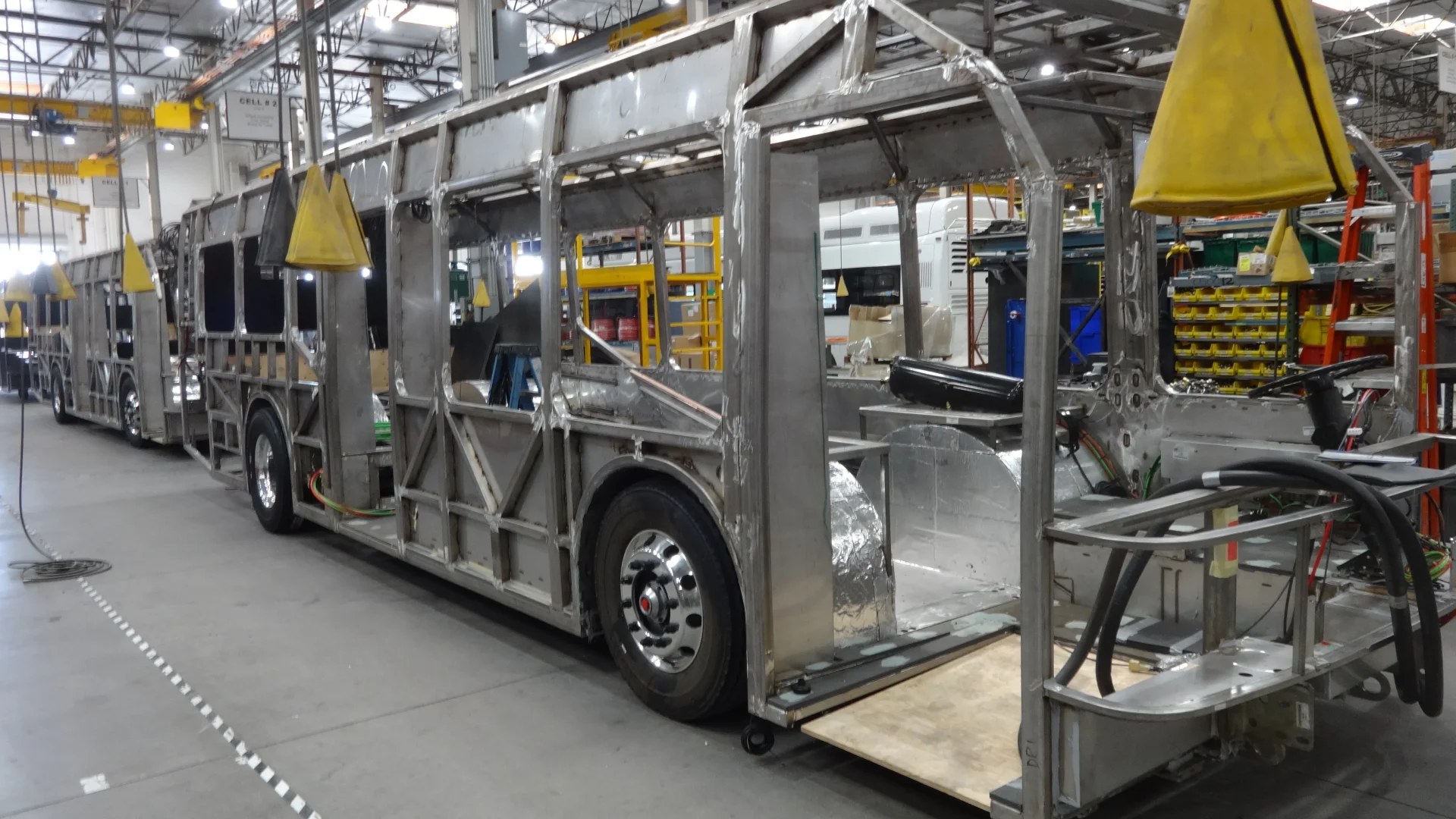
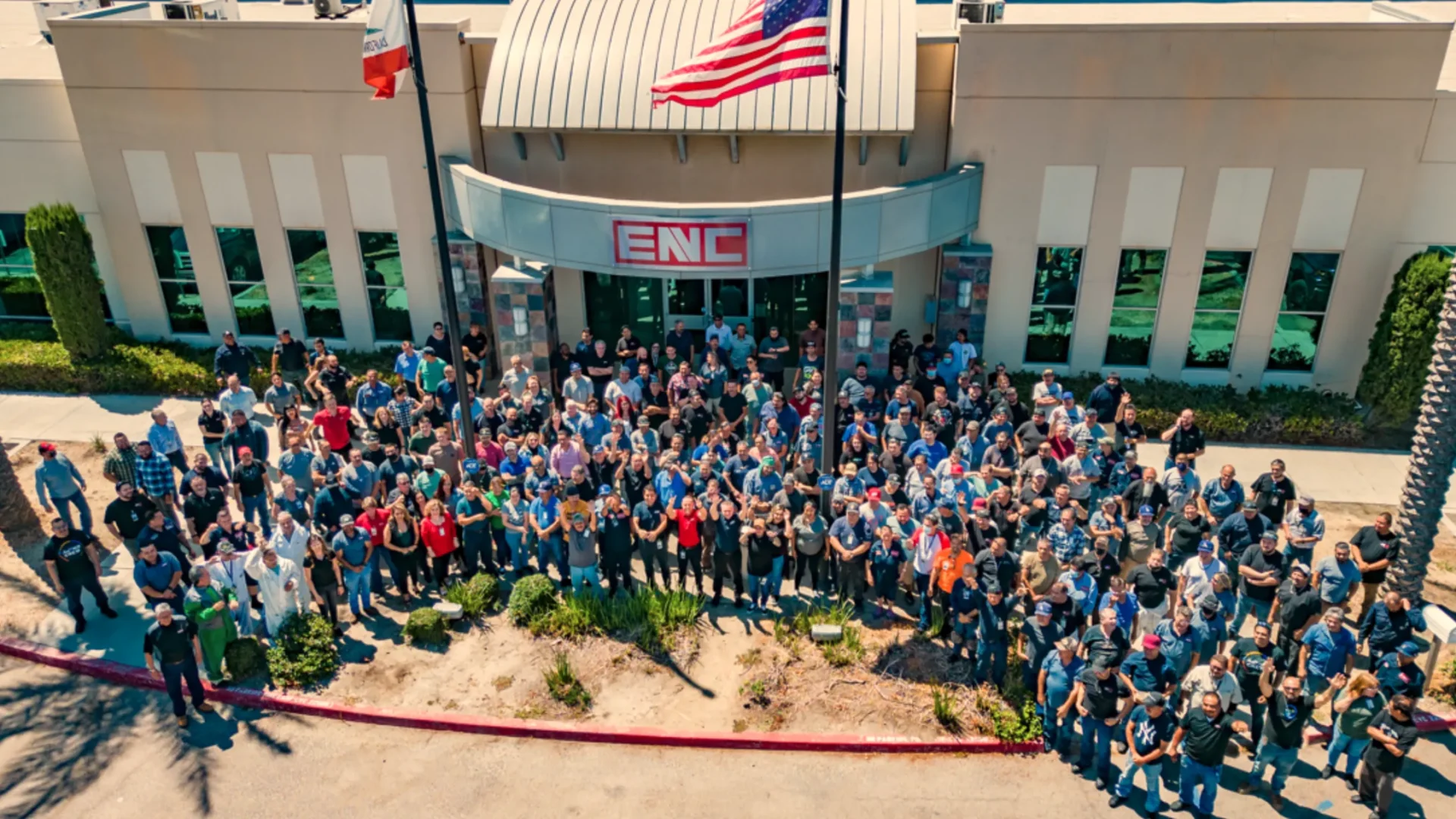
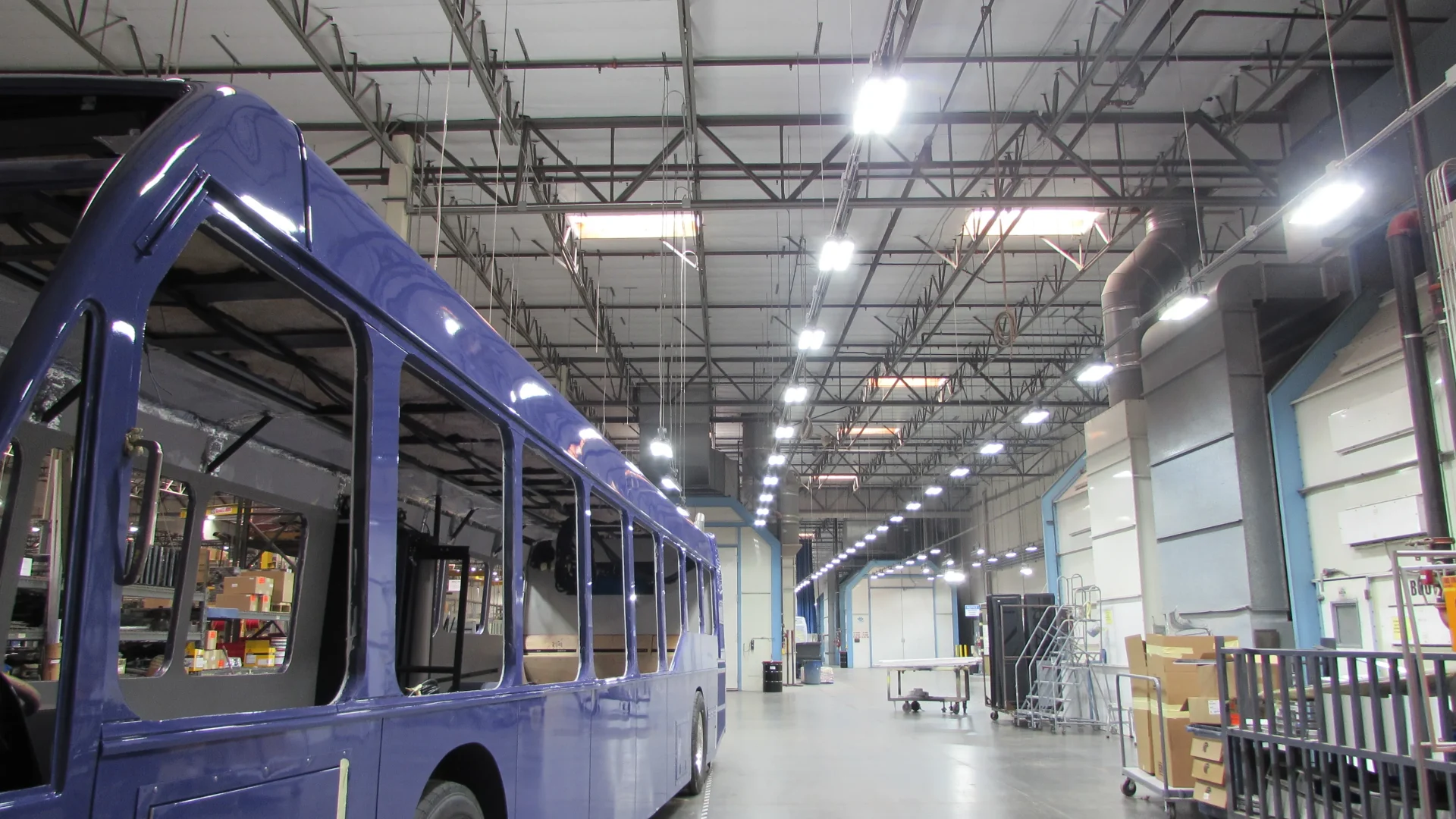
Today, ENC builds buses end to end at its 227,000-square-foot manufacturing facility in Jurupa Valley, California, covering welding, painting, final assembly and testing. The company offers a multi-technology portfolio including clean diesel, CNG, diesel-electric hybrid and battery-electric buses, with vehicles designed to meet Buy America requirements. ENC is now ramping up production and rebuilding its workforce and domestic supplier network, with the company targeting an eventual annual capacity of 800 to 1,000 buses.
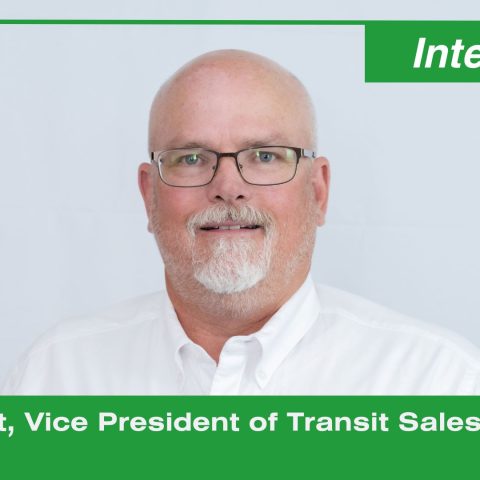
This industrial restart provides the backdrop to our conversation with John Obert, Vice President of Transit Sales at ENC. We discuss what it takes to rebuild US bus manufacturing capacity, ENC’s investment and production strategy, Buy America and procurement, and why the company is maintaining several propulsion technologies as the US market moves – at different speeds – towards zero-emission transit.
The manufacturer has also been working to rebuild its commercial presence. In April 2026, ENC secured a place on the Washington State Department of Enterprise Services statewide transit bus contract, covering 35- and 40-foot buses across diesel, CNG, hybrid and battery-electric propulsion and providing a procurement route for more than 30 eligible transit agencies.
The direction is clear even if the pace is not. The US is moving toward zero emission, but on a timeline that varies widely by region, funding, and grid readiness, and that variation is the defining feature of our market. Agencies will phase in battery-electric where the routes, charging, and budgets line up, while clean diesel, hybrid, and CNG keep service reliable in the meantime. What will separate the leaders is domestic capacity. A zero-emission transition built on a healthy US manufacturing base is durable. One that’s dependent on a fragile global supply chain is not. ENC is built for that path.
John Obert, Vice President of Transit Sales, ENC
North America hosted the largest event in the sport’s history this summer, and Los Angeles hosts the Games in 2028. From your seat on the manufacturing side, what is your read on the North American transit bus market right now?
The market is at an inflection point. Attention on transit is high after a summer of major events and with Los Angeles preparing for 2028, and demand for reliable, domestically built buses is strong.
The defining issue is domestic manufacturing capacity and supply chain resilience. Agencies want confidence that the company they buy from will be there to build, deliver, and support the bus for its full life.
It is also a live policy moment. Congress just passed a short-term extension that keeps federal surface transportation programs running only through December 11, and it did so without the guaranteed advance appropriations transit has relied on, cutting federal transit investment by about 20 percent. The terms that govern how America funds and builds its buses are being decided right now.
I am optimistic. ENC has resumed end-to-end US production, and the appetite for American-made vehicles and the jobs behind them has rarely been stronger.
Independent analysis backs the demand up. Oxford Economics estimates that more than half of the US transit bus fleet (or approximately 54% of the fleet) already exceeds or will reach the FTA’s 12-year useful-life benchmark within five years – which sustains a substantial long-term fleet replacement need for new, domestically built buses.
Buy America: investments, impact, demand
ENC builds every bus end to end in the United States. Beyond meeting Buy America on paper, why does American-made manufacturing matter for transit agencies and the communities they serve?
Buy America is a floor, not the point. Building here keeps the jobs, the tax base, and the industrial know-how in American communities.
APTA reports that 77 percent of federal transit investment flows to the private sector, to a network of 3,000 companies in more than 1,700 communities across all 50 states. When an agency buys an ENC bus, that spend reaches a domestic supplier network.
Buy America is not a wall against competition. It’s a floor that says if you want to serve American riders with public dollars, you build here and meet the same standards everyone else does. New entrants are already looking at this market. APTA has noted that several foreign manufacturers are actively assessing how to enter the US and meet Buy America requirements, and that is healthy. Competition on a level field, where everyone invests in US jobs and supply chains, pushes all of us to be better.
John Obert, Vice President of Transit Sales, ENC
Every $1 billion invested in public transit supports 41,400 American jobs and returns $5 for every $1 invested, according to APTA. A new Oxford Economics study released this month sharpens the picture for manufacturing specifically. In 2025, US transit bus manufacturing supported 34,100 jobs, including about 13,000 in manufacturing, contributed $5.1 billion to GDP, and generated $1.1 billion in tax revenue, with economic impact in all 50 states. Every job at a bus manufacturer supports another 6.3 jobs across the economy.
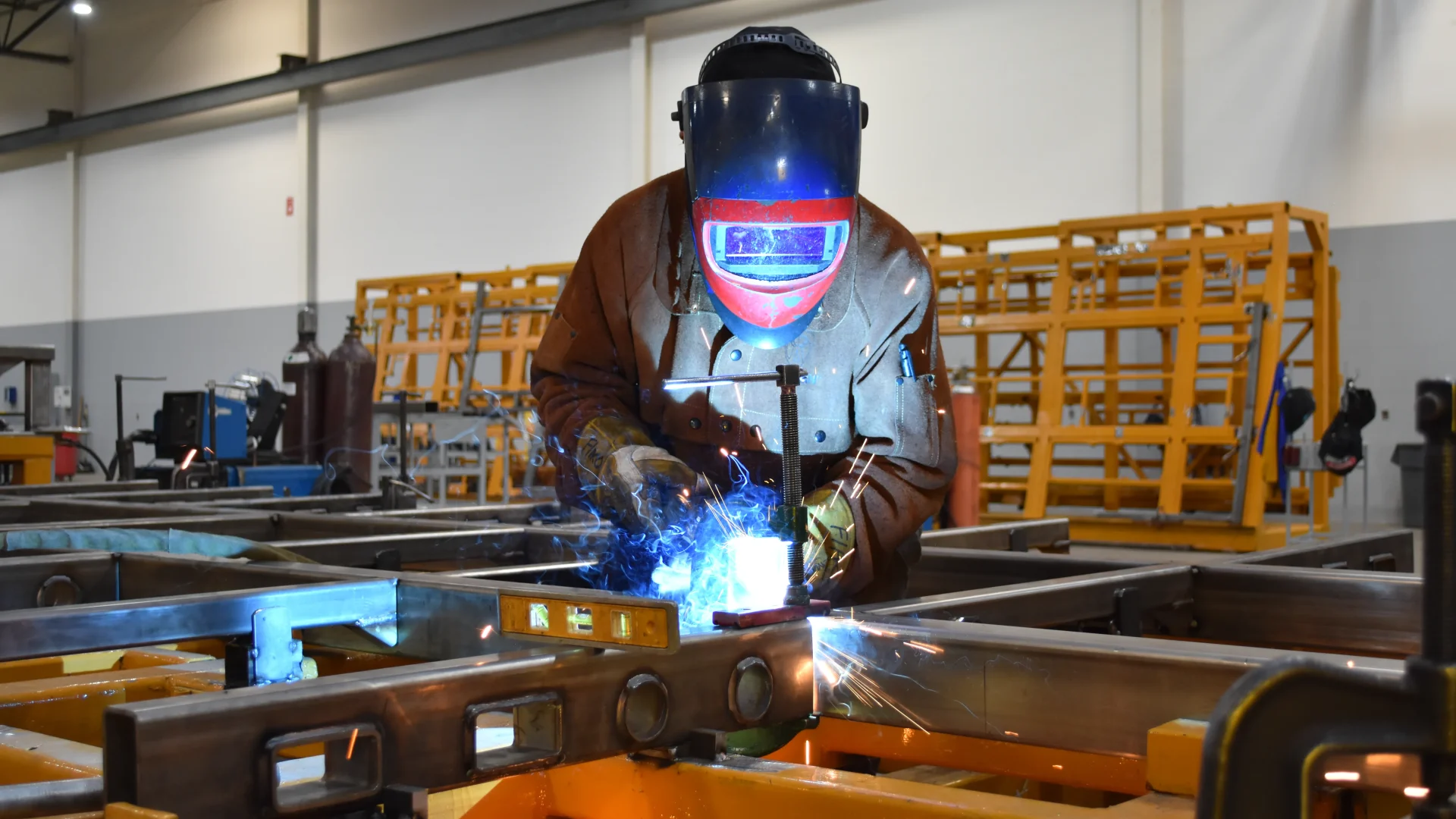
Building end to end in Riverside also means control. We own the weld, paint, assembly, and test under one roof, which is how you deliver quality and stand behind it.
Buy America requires domestic content and final assembly in the United States. How is that shaping the supply chain, and what does it take to build a resilient domestic base that can keep America moving?
A resilient base depends on predictable demand and financially healthy manufacturers. Bus production is capital intensive, with long lead times and complex Buy America compliance.
APTA has been candid that procurement practices which constrained manufacturer cash flow contributed to bankruptcies and market exits. That is why the reauthorization debate matters: APTA is advocating to protect the federal cost share for bus procurements, warning that policies which limit cost recovery may undermine supply chain stability and US manufacturing investment.
ENC’s answer is to invest ahead of demand. Since Rivaz took ownership in October 2024, more than $50 million has gone into the plant, equipment, and workforce so we can build at scale and support a domestic supplier base.
The ripple effect is real. Oxford Economics puts the industry job multiplier at 7.3, meaning each manufacturing job supports more than six others across a supplier network that reaches all 50 states. A healthy domestic manufacturer strengthens the entire chain.
Resilience is also about people. We have rebuilt an AWS-certified welding workforce and have grown our team past 300, on a path toward roughly 500 family-wage jobs.
Since Rivaz took ownership in October 2024, we restarted true end-to-end manufacturing, weld, paint, assembly, and test, at our 227,000 square foot, ISO 9001 certified facility in Jurupa Valley, California. On people, we rebuilt an AWS-certified welding workforce and have grown the team past 300, on a path toward roughly 500. On suppliers, we re-established a domestic supply base sized to meet Buy America requirements and keep the line moving. Where we are today: we are past the restart, the first full production buses are off the line, and we are ramping toward our planned capacity of 800 to 1,000 buses a year.
John Obert, Vice President of Transit Sales, ENC
Build and delivery timelines in this industry can be long. How is ENC approaching production, delivery, and aftermarket support so agencies can count on their buses arriving and staying in service?
Agencies are rightly focused on certainty: will the bus arrive, and will it stay in service. We treat delivery and aftermarket as core promises, not afterthoughts.
We resumed end-to-end production and marked the first full production bus off the line since our restart, proof that we are ready to deliver. Aftermarket support means responsive parts availability and field support for the full life of the vehicle, because operators live with that support for 12 years or more. Repeat business is the truest test. Academy Bus has returned for a third consecutive order, bringing its ENC fleet to 35 buses, a partnership that began in 2015.
ENC: what it takes to build back manufacturing in the U.S.
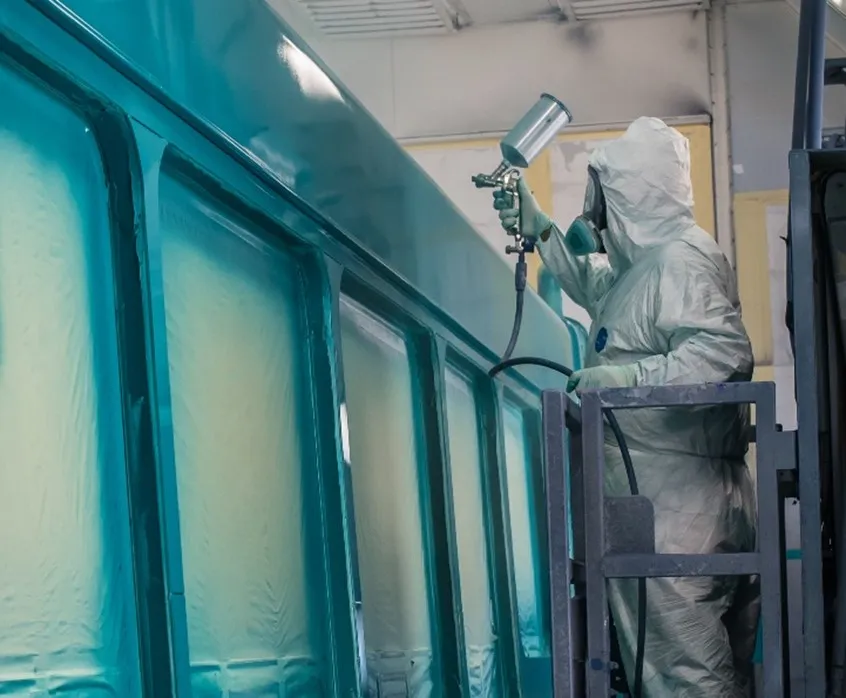
ENC resumed production under Rivaz ownership at its California manufacturing operation. What did rebuilding production capacity involve in practical terms, workforce, suppliers, production processes, investments and volumes, and where is the plant today in that ramp-up?
It took disciplined investment on every front at once. Since Rivaz took ownership in October 2024, as mentioned above, more than $50 million has gone into the facility, equipment, workforce, and planned expansion.
On process, we restarted true end-to-end manufacturing, weld, paint, assembly, and test, at our 227,000 square foot, ISO 9001 certified facility in Jurupa Valley, California.
On people, we rebuilt an AWS-certified welding workforce and have grown the team past 300, on a path toward roughly 500.
On suppliers, we re-established a domestic supply base sized to meet Buy America requirements and keep the line moving.
Where we are today: we are past the restart, the first full production buses are off the line, and we are ramping toward our planned capacity of 800 to 1,000 buses a year.
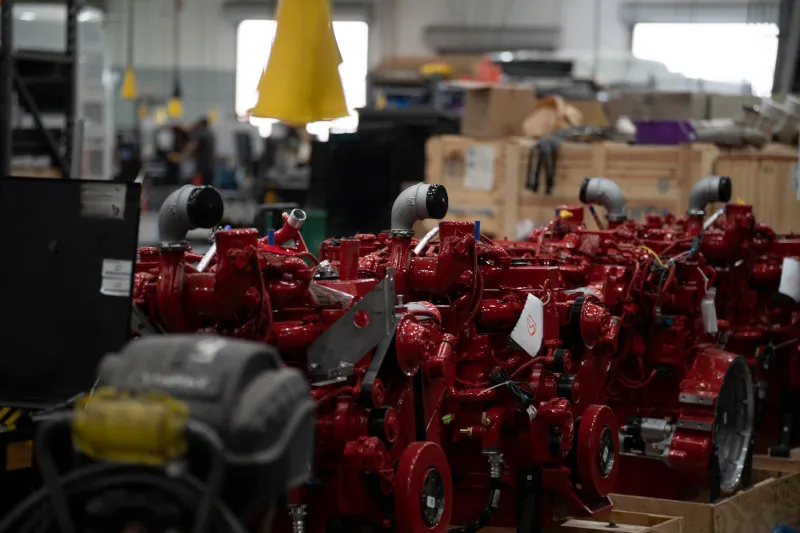
ENC offers a broad propulsion portfolio. How are you approaching propulsion when agencies still face real uncertainty on zero-emission timelines?
We are propulsion agnostic by design, and we offer a clear path to battery-electric for agencies ready for it. ENC has one of the industry’s most comprehensive portfolios: clean diesel, hybrid, compressed natural gas, and battery-electric.
That lets each agency match propulsion to its routes, funding, and timeline rather than forcing a single path. Our AXESS EVO-BE battery-electric bus is Altoona tested and built on our 304-grade stainless steel structure.
The market is moving, but unevenly. Oxford Economics reports that battery-electric buses were about 4 percent of the in-service fleet but roughly 20 percent of 2023 and 2024 deliveries, while diesel still made up about half of new deliveries. Zero-emission timelines remain uncertain in many markets, so optionality is a service to the customer. We help agencies transition at a pace that keeps service reliable. What does not change is that every option is built in America and designed to meet Buy America requirements.
Los Angeles is preparing to move enormous crowds for 2028. What role can domestically built buses play in getting the region and the country ready, and what would you want to see the industry and its public partners do now?
Big events are a reminder that reliable transit is national infrastructure. Getting the country ready means a healthy domestic manufacturing base that can build and support fleets over time, not just for a single summer.
The most useful thing Washington can do now is restore stable, guaranteed federal investment in the reauthorization. The recent extension runs only through December 11, 2026, and left out the advance appropriations transit depends on, which means real cuts. Predictable funding, alongside Buy America and a protected federal cost share for bus procurements, is what lets manufacturers plan, hire, and invest. APTA has recommended $138 billion for public transit over five years. Stability like that is what lets manufacturers invest, hire, and hold prices steady.
For our part, ENC is scaling US capacity and taking part in the advocacy directly, including on Capitol Hill this September, because the people who build the buses should be in the room.
You have spent more than 35 years in the North American transit bus industry. What does the US market get right, and where does strengthening domestic manufacturing make the biggest difference for riders and workers?
North America’s strength is its pragmatism and its willingness to hold manufacturing to a high, accountable standard through Altoona testing and Buy America.
Where domestic manufacturing matters most is resilience and trust. A bus built and supported here is less exposed to global disruption, and the agency has a partner it can reach. The biggest opportunity is consistency: steadier procurement and funding so US manufacturers can plan, which is exactly what APTA is pressing for in reauthorization. The payoff is shared. Riders get reliable service, workers get durable jobs, and communities keep the economic value at home.
ENC between energy transition and competition
Is the way US transit agencies procure buses helping or holding back innovation? What would you change in the procurement process if you could?
Procurement can do both. At its best it rewards quality, safety, and lifecycle value. At times we’ve also seen costs rising as a result of heavy customization. We’re working with the industry to streamline this approach.
One practical solution is standardization: APTA’s Bus Manufacturing Task Force has encouraged common, volume-supported bus designs to reduce cost and strengthen competition, and ENC has been supportive of these recommendations. Every agency deserves a bus that fits its service, but bespoke specifications on every order often work against scale and cost efficiency.
I would also recommend modernizing contract mechanics. As outlined by the Task Force, progress payments, price adjustment clauses, and the use of price indices keep manufacturers financially healthy through long build cycles, which is what frees them to invest in new technology rather than just survive.
And I would shift the emphasis from lowest bid to best value over the life of the vehicle. When agencies buy for twelve years of reliable service, better engineering and better support follow.
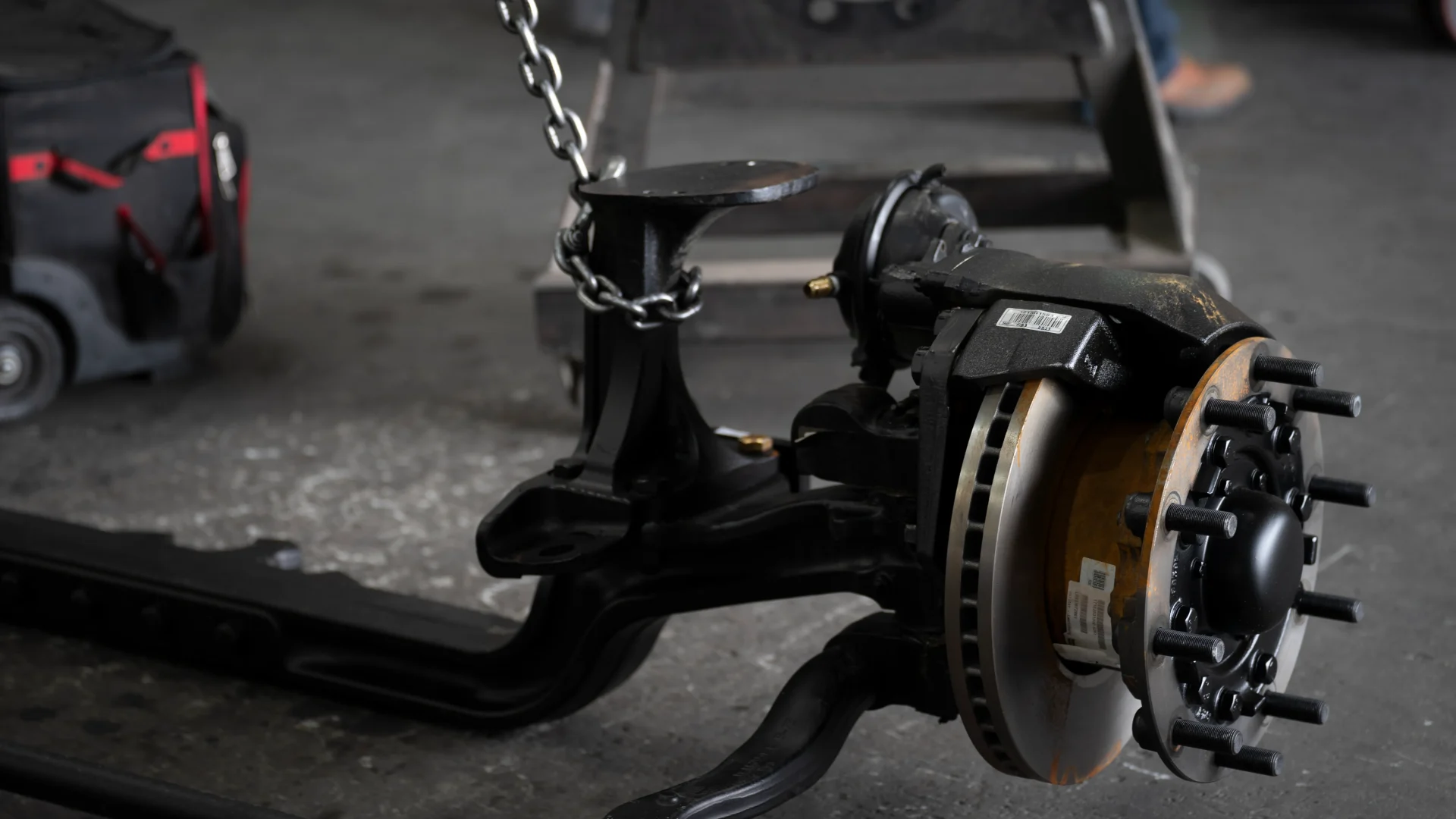
Buy America is designed to protect domestic manufacturing, but new international players, not only from China, are looking at the US market. How can the US balance the need to protect its domestic manufacturing base with the need to keep pace with innovation in an increasingly competitive global market?
I do not see these as opposing goals. Buy America is not a wall against competition. It’s a floor that says if you want to serve American riders with public dollars, you build here and meet the same standards everyone else does.
New entrants are already looking at this market. APTA has noted that several foreign manufacturers are actively assessing how to enter the US and meet Buy America requirements, and that is healthy. Competition on a level field, where everyone invests in US jobs and supply chains, pushes all of us to be better.
The balance comes from consistency, not from exceptions. Predictable rules, applied the same way to everyone, protect the domestic base while keeping the door open to the best ideas. ENC welcomes that competition. We would rather win on quality, delivery, and support than on anyone being kept out.
Predictable funding, alongside Buy America and a protected federal cost share for bus procurements, is what lets manufacturers plan, hire, and invest. APTA has recommended $138 billion for public transit over five years. Stability like that is what lets manufacturers invest, hire, and hold prices steady.
John Obert, Vice President of Transit Sales, ENC
The US has historically been at the forefront of innovation. As the global city bus market moves increasingly toward zero emission, what trajectory do you see for the US?
The direction is clear even if the pace is not. The US is moving toward zero emission, but on a timeline that varies widely by region, funding, and grid readiness, and that variation is the defining feature of our market.
The data shows how uneven it is. Oxford Economics reports battery-electric buses were about 4 percent of the in-service fleet but roughly 20 percent of 2023 and 2024 deliveries, while diesel still accounted for about half of new deliveries.
I expect a pragmatic, mixed-fleet transition rather than a single switch. Agencies will phase in battery-electric where the routes, charging, and budgets line up, while clean diesel, hybrid, and CNG keep service reliable in the meantime.
What will separate the leaders is domestic capacity. A zero-emission transition built on a healthy US manufacturing base is durable. One that’s dependent on a fragile global supply chain is not.
ENC is built for that path. We offer battery-electric today in the AXESS EVO-BE, alongside the proven technologies agencies still rely on and that many still prefer, all built in America.