Toyota launches new generation Sora fuel cell bus, based on Isuzu bus platform
Toyota has launched the new-generation Sora fuel cell route bus, offering a stated range of more than 300 km and using a platform jointly developed with Isuzu. The new Sora combines Isuzu’s battery-electric full-flat route bus platform with Toyota’s fuel cell system. Toyota Motor Corporation announced the launch on 5 October 2026, eight years after […]
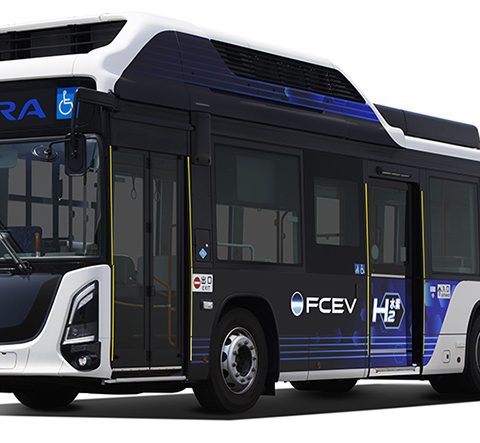
Toyota has launched the new-generation Sora fuel cell route bus, offering a stated range of more than 300 km and using a platform jointly developed with Isuzu.
The new Sora combines Isuzu’s battery-electric full-flat route bus platform with Toyota’s fuel cell system. Toyota Motor Corporation announced the launch on 5 October 2026, eight years after introducing the first-generation Sora in 2018.
The new Sora follows the fuel cell bus cooperation between Toyota and Isuzu announced in September 2025, when the companies said production of their jointly developed model would start in FY2026 at J-Bus’s Utsunomiya plant. The cooperation followed an earlier initiative involving Isuzu, Hino and Toyota announced in 2022.
Toyota Sora gets 113 kW commercial-vehicle fuel cell stack
According to Toyota, the new model combines a revised fuel cell system with a large-capacity lithium-ion battery. Total hydrogen tank capacity has been reduced by approximately 20% compared with the first-generation Sora, while cruising range has increased by around 100 km to more than 300 km. Toyota specifies that the range is a reference value and can vary according to temperature, traffic conditions, passenger numbers and air-conditioning use, among other factors.
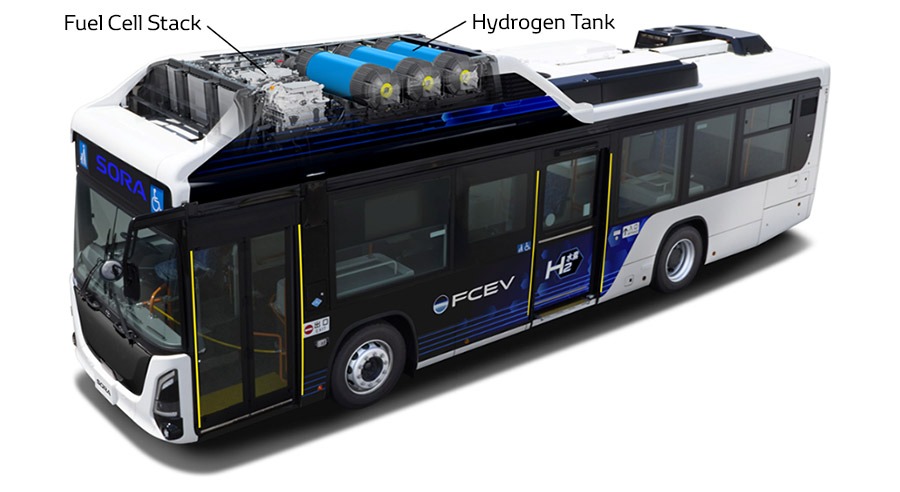
The new Sora uses a Toyota polymer electrolyte membrane fuel cell stack developed for commercial vehicles, with a maximum output of 113 kW. Toyota reports increased output and durability for the new compact stack.
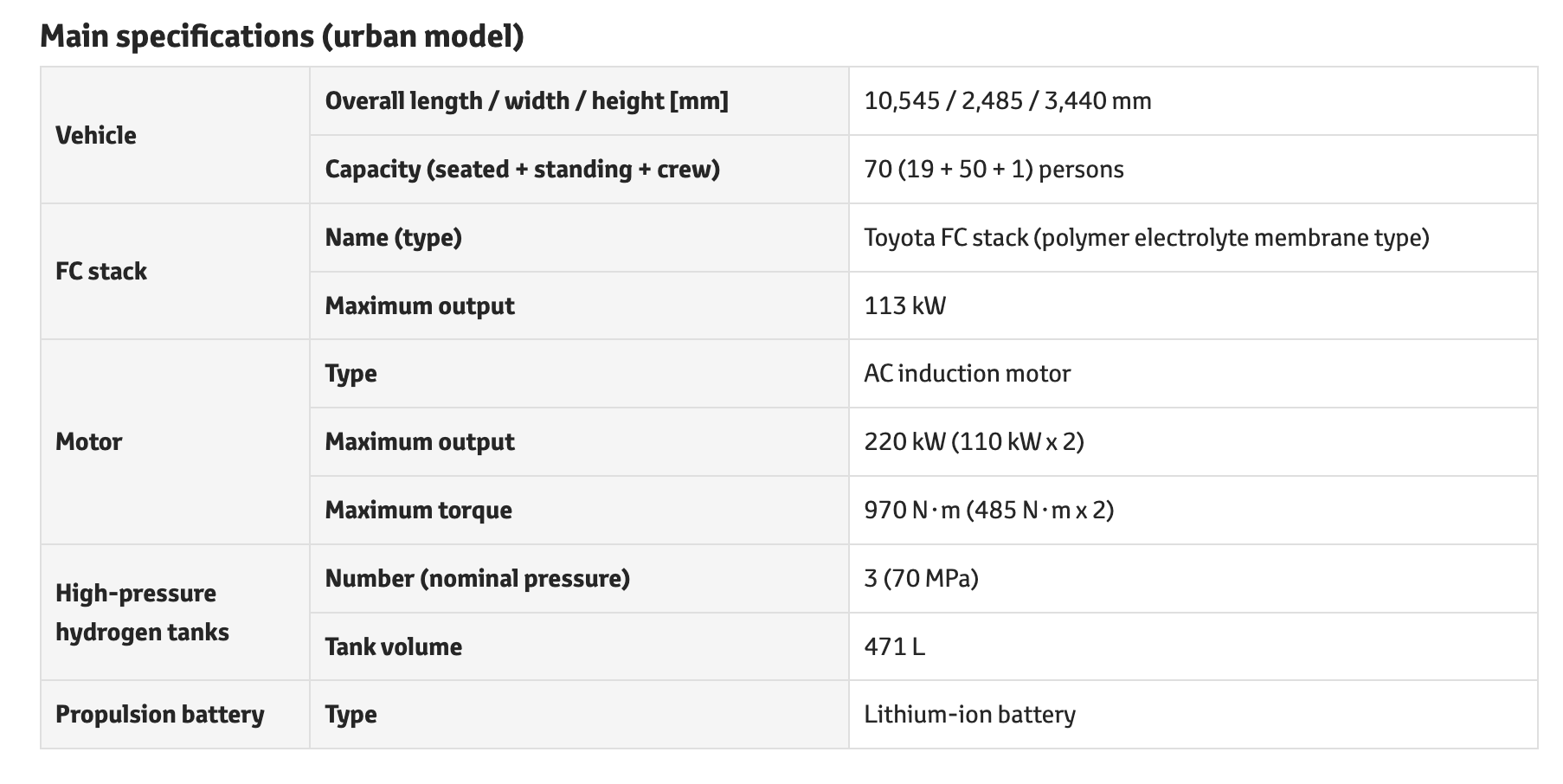
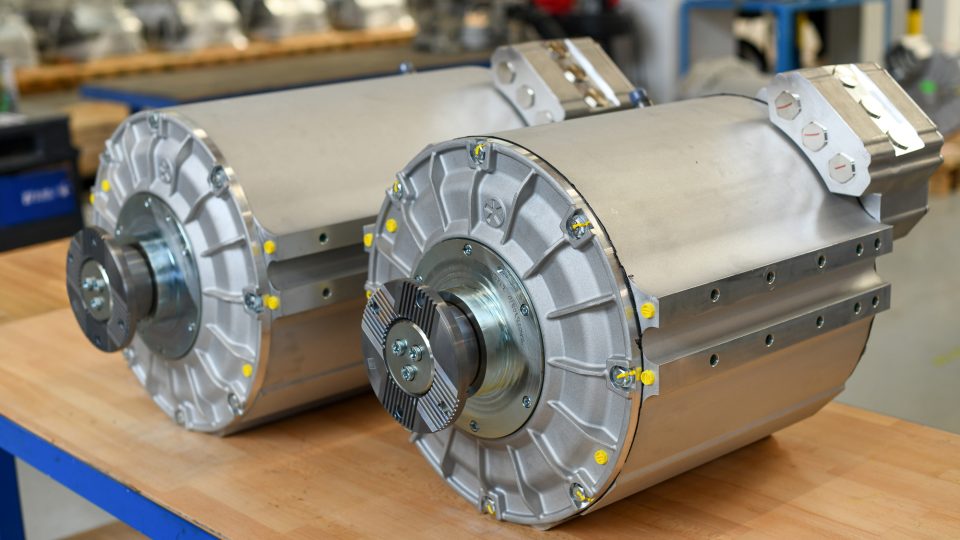
Propulsion is provided by two AC induction motors, each delivering a maximum output of 110 kW and maximum torque of 485 Nm. Combined maximum propulsion output is therefore 220 kW, with maximum torque of 970 Nm.
Hydrogen is stored in three high-pressure tanks operating at a nominal 70 MPa, with a combined tank volume of 471 litres. Toyota has also developed a new large-capacity hydrogen tank for commercial vehicles. The fuel cell system is compactly installed on the roof, a layout Toyota says facilitates maintenance work by bus operators.
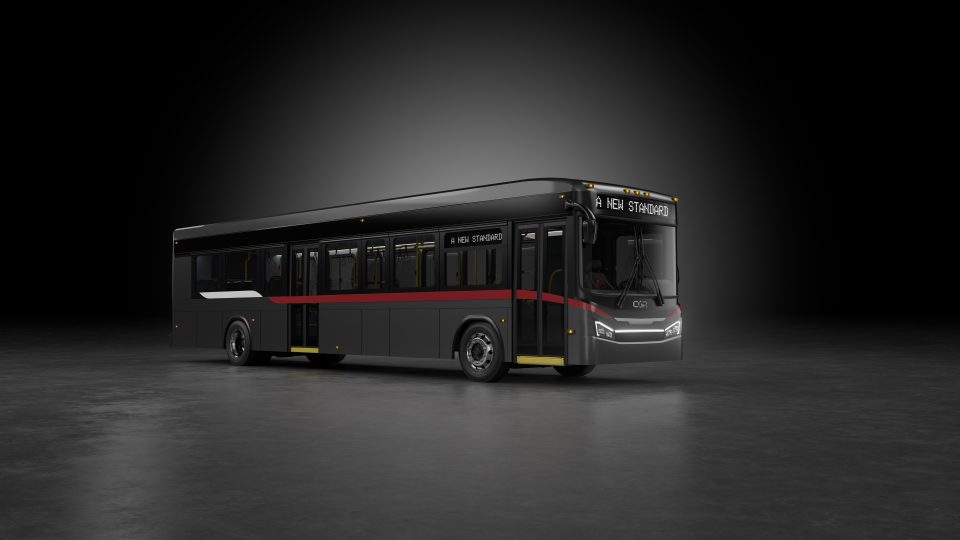
The urban version of the Sora measures 10,545 mm long, 2,485 mm wide and 3,440 mm high. Toyota specifies capacity for 70 people, comprising 19 seated passengers, 50 standing passengers and one crew member.
In brief
- What is the range of the new Toyota Sora?
Toyota states a range of more than 300 km, approximately 100 km more than the first-generation Sora. - What are the fuel cell and motor outputs?
The Sora has a 113 kW Toyota fuel cell stack and two 110 kW motors, providing 220 kW of combined maximum motor output. - How much hydrogen does the Sora store?
Three tanks operating at 70 MPa provide a combined volume of 471 litres. Toyota says total hydrogen tank capacity is about 20% lower than on the previous Sora. - How quickly can the Sora be refuelled?
Toyota gives a reference time of around 10 minutes and says the new high-speed filling standard could halve that time at compatible stations.
Toyota introduced the Mirai fuel cell passenger car in 2014. Since 2019, the company has also supplied fuel cell systems for applications outside its passenger-car range. According to Toyota, more than 3,500 fuel cell systems had been supplied to over 100 customers worldwide by the end of September 2026, covering applications including buses, rail vehicles and stationary generators.
New Toyota Sora: full-flat layout, 10-minute hydrogen refuelling
The passenger compartment has a full-flat floor without steps. Toyota is offering four variants, comprising two configurations for urban operations and two for suburban services, with different seating layouts.
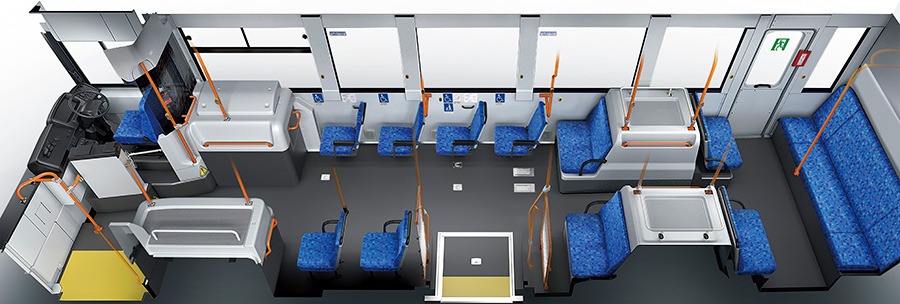
An optional one-touch wheelchair securement system is also planned. The equipment is designed to assist wheelchair users during boarding and alighting and to support the driver when securing the wheelchair. Toyota states that the option will become available to order from around April 2027.
According to Toyota, the bus can be fully refuelled with hydrogen in approximately 10 minutes, although actual times can vary according to hydrogen station capacity, ambient temperature and other conditions.
The Sora also complies with a new high-speed hydrogen filling standard. Toyota states that refuelling time could be reduced by approximately half when compatible hydrogen stations are deployed.
The vehicle can additionally be connected to an external power supply unit, allowing it to operate as an emergency electricity source during disasters.
Emergency Driver Stop System and front blind-spot monitoring
The new Sora is equipped with an Emergency Driver Stop System (EDSS) linked to a Driver Status Monitor (DSM). If the system detects that the driver is experiencing a problem, the bus is designed to decelerate and come to a stop before automatically applying the parking brake. The function also operates when the vehicle is on a slope.
Toyota has also installed a front blind-spot monitor designed to detect pedestrians and bicycles ahead of the vehicle and alert the driver.
Toyota says it is continuing to work with partners across hydrogen production, transport, storage and use. The manufacturer also cites its participation with government agencies and businesses in the hydrogen backbone network implementation initiative, a joint public-private project.