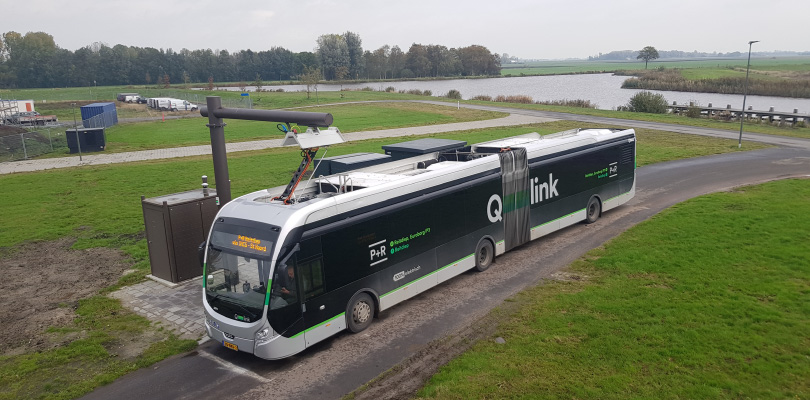
ViriCiti, Qbuzz, Heliox and ABB
With ViriCiti’s Smart Charging solution, Qbuzz will be able to manage Heliox and ABB chargers amounting to a total installed capacity of 24.04 MW, making use of advanced functionalities such as load balancing, scheduled load balancing, and remote start for preconditioning designed to reduce costs and improve charging efficiency.
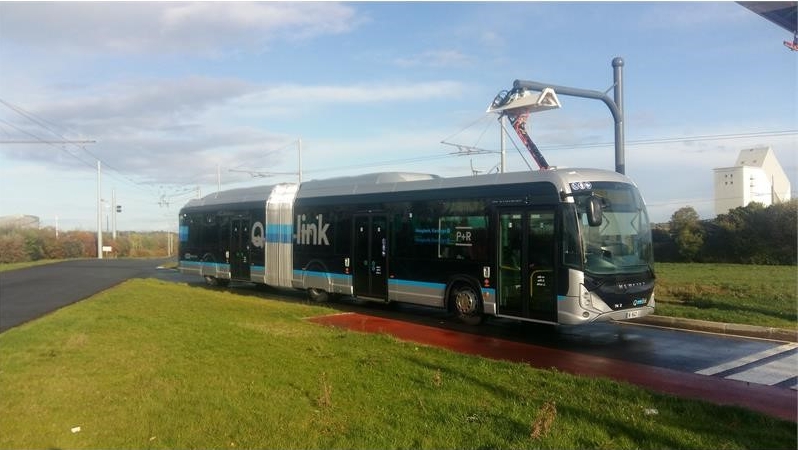
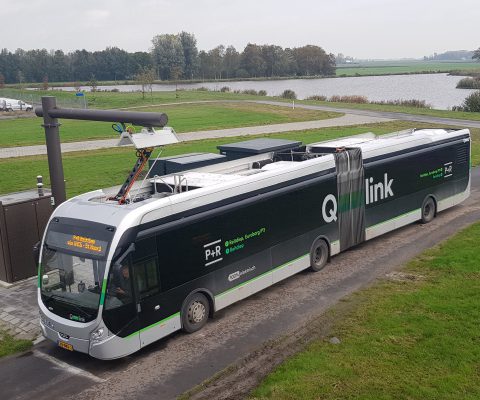
The Smart Charging service will help Qbuzz manage the charging process of 164 electric buses operated in the Dutch provinces of Groningen and Drenthe.
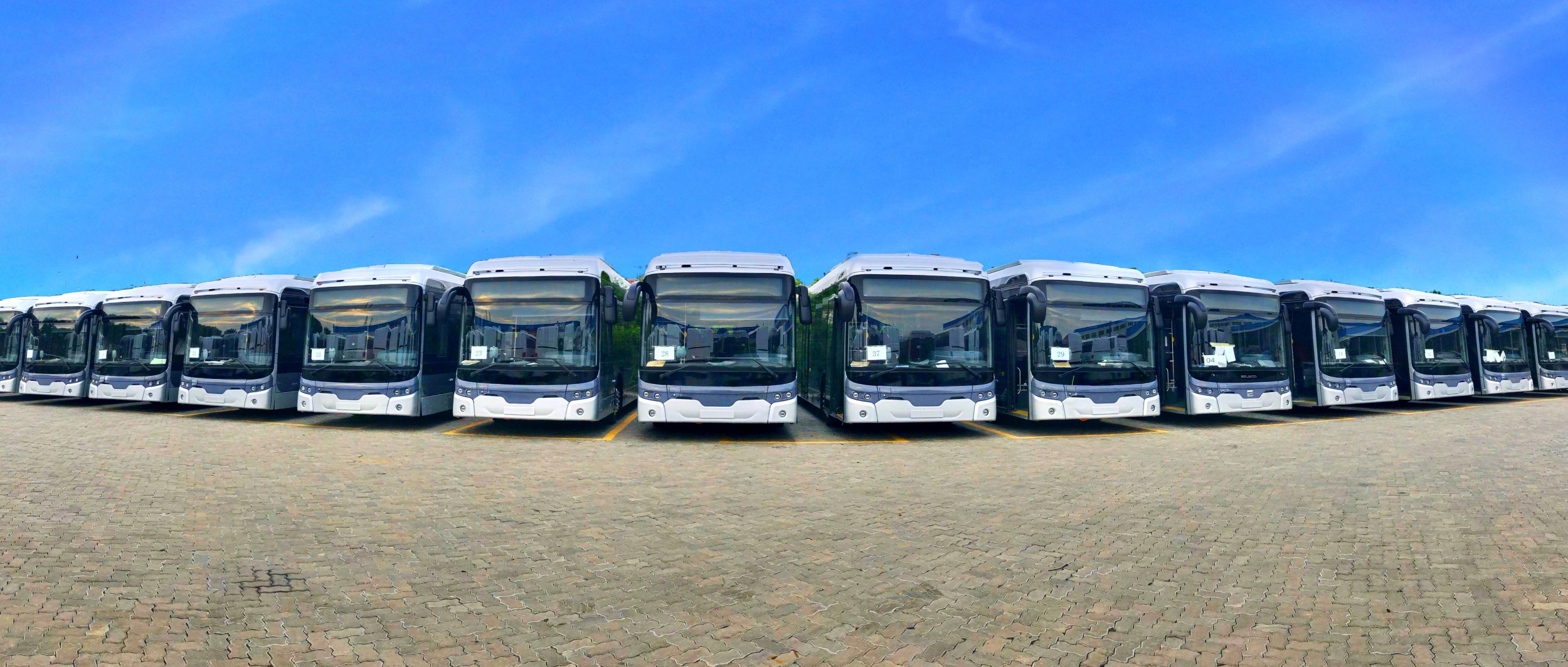
ViriCiti’s Smart Charging service helps increase the efficiency of charging infrastructure and decrease energy costs by thousands of Euros, the company claims. The intelligent algorithm provides accurate charging information and predicts the remaining range of e-buses. ViriCiti’s Smart Charging is interoperable as it integrates with multiple OEMs (it is worth mentioning that three bus producers are involved in the e-bus deployment in Groeningen and Drenthe: Ebusco, VDL, Heuliez Bus).
Through load balancing, Smart Charging eliminates infrastructure limitations by allowing users to set a maximum power per charger group, and control the charging speed of individual chargers. It also allows operators to reduce costs associated with demand charges, process also known as ‘peak shaving’. Scheduled load balancing allows to further reduce energy costs by making use of Day/Night energy tariffs, when applicable.
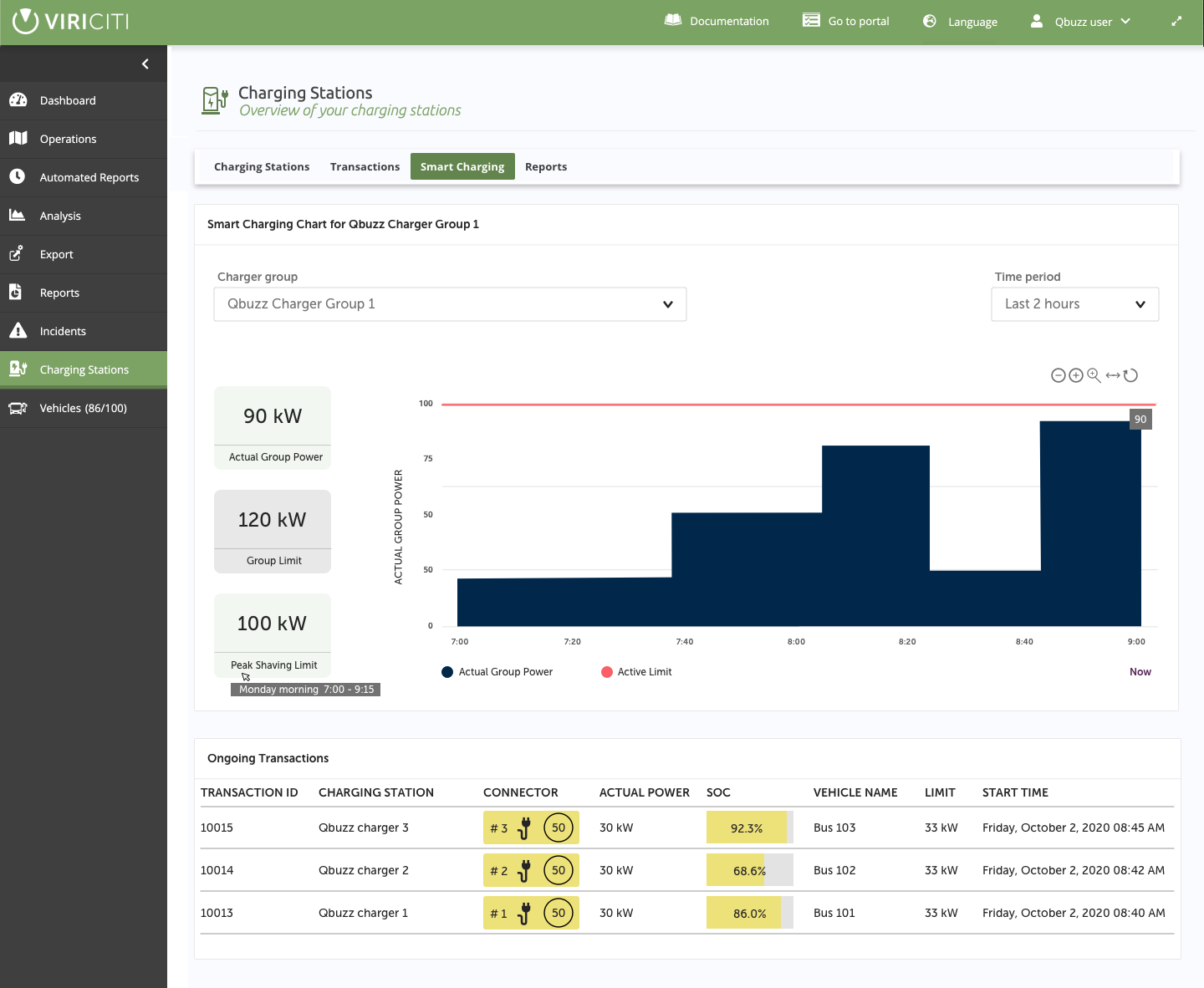
ViriCiti, smart charging in the Netherlands
By avoiding exceeding the maximum grid capacity and by optimizing their charging schedule, operators could have a larger number of electric buses into operation than the existing charging infrastructure would otherwise allow.
“Qbuzz is taking the next step on the road towards Zero-Emission transport. Smart Charging is of great importance in this respect, helping us achieve an optimal use of our large electric bus fleets. We think that our collaboration with ViriCiti will allow us to have a more efficient approach to charging our electric fleet.” says Tim van Twuijver, Sustainability Manager Qbuzz.
“This Smart Charging project marks an important milestone for ViriCiti, as it is, the largest one in the world to date where the chargers are controlled remotely from the cloud. With our Smart Charging solution, we are happy to help operators not only to save significant costs by avoiding demand charges, but also to have more buses on the road due to an efficient charging process.” comments Freek Dielissen, Co-founder and CEO ViriCiti.
Viriciti is a Dutch telematics company founded as a startup in 2012 by four engineers with backgrounds in e-mobility, mechanical engineering, computer science, and entrepreneurship. Mission? Providing fleet management platforms to operators, particularly with regards to electric buses. But not only: the novelty presented by ViriCiti at Busworld Europe in October 2019 is the “Mixed fleet” platform, that integrates in the same place all bus types and chargers technologies and has been jointly developed with public transport company Qbuzz Netherlands.