First Bus completes national mobile ticketing migration to Masabi, with expanded multi-operator capabilities and ticket-buying enhancements planned
First Bus has completed the migration of its national mobile ticketing back office to Masabi’s platform, covering all regional operations across the UK and millions of app users. The British operator, which serves more than one million customers daily, has selected Masabi as the provider of its central ticketing engine, with the new system supporting […]
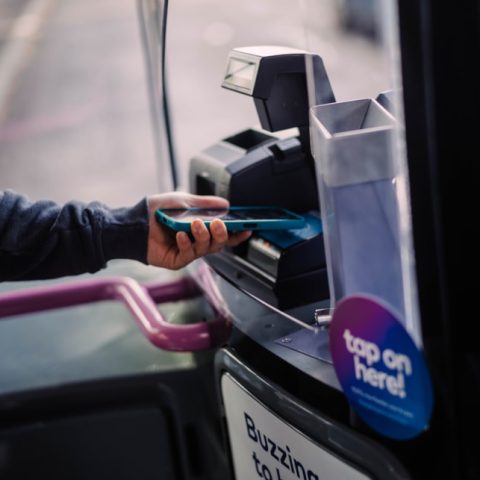
First Bus has completed the migration of its national mobile ticketing back office to Masabi’s platform, covering all regional operations across the UK and millions of app users.
The British operator, which serves more than one million customers daily, has selected Masabi as the provider of its central ticketing engine, with the new system supporting ticket purchases through both the First Bus app and website. According to a press release issued by Masabi on 27 October 2026, the migration began in April and was implemented in phases, with customer accounts and existing tickets transferred without service interruptions.
The agreement also establishes a broader technology partnership between the two companies, including planned developments in multi-operator ticketing and digital ticket purchasing, as well as the introduction of a dedicated portal for institutional partners.
First Bus migrates mobile ticketing to Masabi across UK
The migration involved the transfer of First Bus’s entire mobile ticketing back office to Masabi’s software-as-a-service fare collection platform. The process started in April 2026 and was completed over the following months, with customer migration, security and data protection identified as priorities throughout the rollout.
According to Masabi, millions of First Bus app users were migrated to the new system without interruption to ticket access or journeys. The company states that the platform now manages mobile ticketing across all of First Bus’s regional operations.
The First Bus app represents the operator’s largest customer touchpoint. Under the new arrangement, the app and the company’s website are supported by the same central ticketing platform, allowing customers to purchase tickets through either channel.
A central technical component of the solution is Masabi’s multi-tenant brand architecture, developed for transport groups managing several local businesses within a single organisation. The architecture is being deployed across First Bus’s regional operating structure, with ticketing services consolidated onto a common back-office platform.
The migration covers existing customer accounts and tickets, rather than the introduction of a separate customer-facing ticketing application. Masabi reports that the transition was completed without disruption to the services used by passengers during the rollout.
Masabi and First Bus plan multi-operator ticketing developments
The completion of the migration marks the beginning of a wider digital ticketing partnership between First Bus and Masabi.
According to the technology provider, the two companies are working on a pipeline of additional functionalities, including expanded multi-operator capabilities and further developments to the ticket-buying experience.
The partnership also includes the introduction of a new partner portal intended for organisations managing ticketing agreements with First Bus. The portal provides a self-service interface for institutional partners, including universities and colleges operating discounted ticket schemes. These organisations will be able to manage their ticketing arrangements with First Bus through the new system.
In brief
- Which ticketing provider has First Bus selected?
First Bus has selected Masabi to provide its central ticketing engine across its UK regional operations. - When did the migration take place?
The phased rollout began in April 2026 and was completed before the announcement on 27 October 2026. - Which ticketing channels are covered?
The Masabi platform supports ticket purchases through the First Bus app and website. - What additional developments are planned?
The partnership includes expanded multi-operator capabilities, ticket-buying enhancements and a self-service portal for institutional partners.
First Bus and Masabi on the national ticketing migration
“Moving our customer base onto a new platform without disruption was a significant undertaking and delivering that transition safely and seamlessly was our priority throughout,” said Owen Hughes, Director of Digital and Retail at First Bus. “With the new platform now in place, we have a strong foundation from which to continue improving the digital experience for our customers.”
“First Bus’ migration represents a major technology transformation delivered at significant scale and to an exacting timeline, while ensuring customers continued to be able to access the tickets and services they rely on without interruption,” said Brian Zanghi, CEO at Masabi. “The new platform gives First Bus the resilience and flexibility it needs today, while creating a foundation for the next generation of joined-up, innovative digital travel experiences. We’re delighted to be working with the First Bus team on their customer growth journey.”