EU has awarded €111 million to Milence for installation of heavy-duty chargers on highways
Milence announces it obtained about €111 million EU funding for keeping on building charging infrastructure hubs in Europe. The project MILES (Mobility Infrastructure for Logistics – Electric & Sustainable) is part of twin applications submitted by Milence to establish the first pan-European network of charging points for heavy-duty electric vehicles. Through this project, Milence will deploy 284 MCS […]
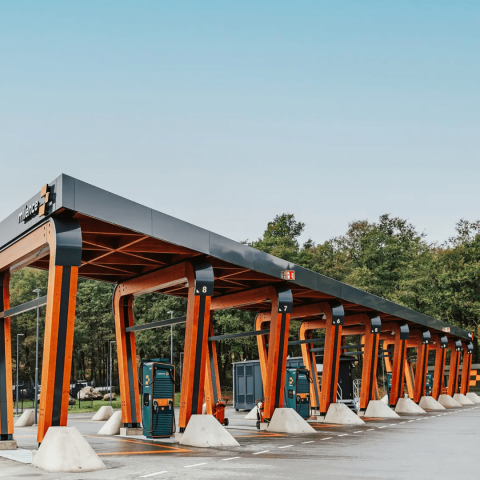
Milence announces it obtained about €111 million EU funding for keeping on building charging infrastructure hubs in Europe. The project MILES (Mobility Infrastructure for Logistics – Electric & Sustainable) is part of twin applications submitted by Milence to establish the first pan-European network of charging points for heavy-duty electric vehicles.
Through this project, Milence will deploy 284 MCS and 264 CCS charging points in 71 locations across 10 EU member states, including Austria, Belgium, Denmark, France, Germany, Italy, the Netherlands, Spain, Sweden, and Poland. Also, next week Milence will inaugurate its first charging hub in Northern Italy.
Milence is a joint venture formed by Traton Group, Volvo Group, and Daimler Truck AG and has the target of building 1,700 charging stations for heavy-duty electric vehicles in Europe in the next few years.
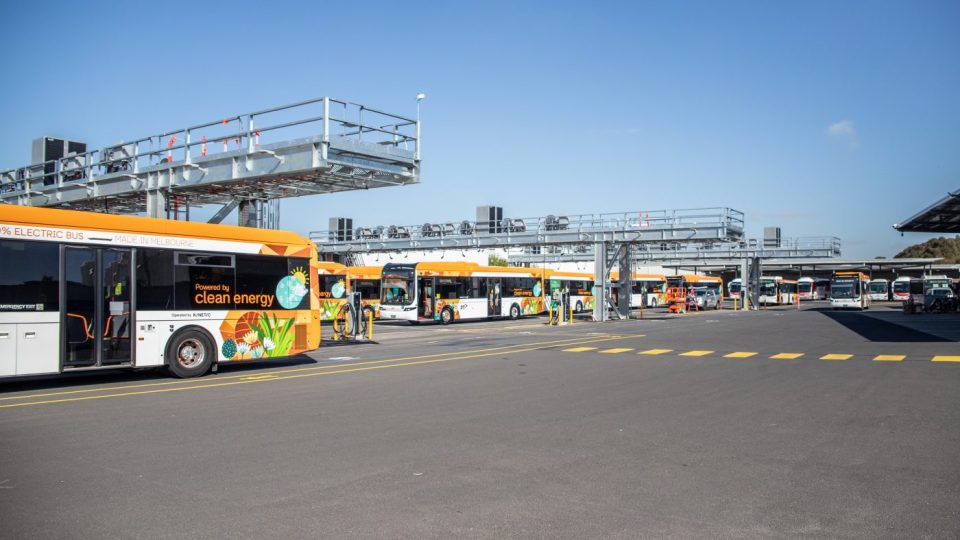
Milence: chargers for heavy-duty vehicles
All this is included in the AFIF (Alternative Fuels Infrastructure Facility), ensuring a total grant of €422 million. “This investment is an important step in positioning Europe as the global leader in sustainable road transport, where decarbonization drives both environmental progress and economic prosperity”, stated Milence in a press note.
“Being selected as a leading project and receiving a large share of EU funding is a testament to the remarkable progress Milence has made in just two years”, said Anja van Niersen, CEO of Milence (HERE interviewed by our sister media platform Sustainable Truck & Van). “It reflects the trust we’ve built in our ability to deploy Europe’s largest public charging network for heavy-duty electric vehicles. The AFIF’s call is an important step towards making HDV charging hubs strategic pillars of Europe’s transport future. This is a continental mission and working together is essential. I congratulate all funded projects and am happy to join forces in building a more sustainable future for Europe.”