Stratio enters framework agreement with Keolis to implement predictive maintenance worldwide
Stratio has signed a framework agreement with Keolis to enable predictive maintenance and provide remote diagnostic technologies to Keolis’ networks. As part of the agreement, “Keolis Group, which operates in 14 countries, may use the Stratio Platform and benefit from Predictive Fleet Maintenance and Remote Diagnostics for buses and coaches”, Stratio says. Recently Stratio has […]
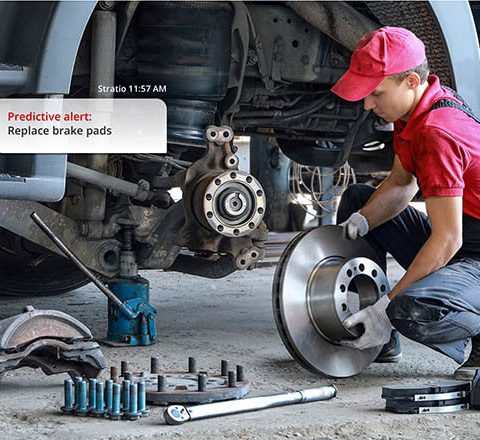
Stratio has signed a framework agreement with Keolis to enable predictive maintenance and provide remote diagnostic technologies to Keolis’ networks. As part of the agreement, “Keolis Group, which operates in 14 countries, may use the Stratio Platform and benefit from Predictive Fleet Maintenance and Remote Diagnostics for buses and coaches”, Stratio says.
Recently Stratio has signed a deal with Go-Ahead Ireland to implement a predictive approach to vehicle maintenance, besides entering partnership with Freeway Fleet Systemsto deliver its real-time predictive fleet maintenance technology to the UK’s bus and coach sector. Also Arriva Group company TST is among Stratio’s customers.
Stratio – Keolis: deal on predictive maintenance
The Stratio Platform, which is powered by artificial intelligence and machine learning models, can monitor, analyze, and predict failures in real time, in vehicles of any type, brand, and model, the supplier stresses. This shift from preventive to predictive maintenance results in increased vehicle uptime and optimized depot operations, ultimately saving costs and improving the service offered to the public.
“The Stratio solution, which is already deployed on several Keolis networks in France, allows maintenance staff to view and address vehicle failures. This eliminates costly downtime, enabling us to provide an even more reliable, efficient and safe service for passengers, while helping our operations staff to improve their eco-driving,” declared Pierre Gosset, Industrial Division Director, Keolis Group.
“Keolis’ commitment to innovating, automating, and digitizing their maintenance operations goes to show how much they value their own customers. We are pleased they chose Stratio to help them deliver on their objective of connecting people with opportunities and resources with a public transport service that is safe, reliable, and future-proof,” said Rui Sales, co-founder and President of Stratio. “Partnering on a global scale with one of the largest fleets in the world accelerates the realization of our goal of creating a zero downtime future that benefits everyone”, Rui added.