In 2026 Gillig will start production of a hydrogen bus with BAE powertrain and Ballard fuel cell module
US bus manufacturer Gillig is set to expand its zero-emission product lineup with the addition of a hydrogen fuel cell powered bus, to be developed in collaboration with BAE Systems and Ballard Power Systems. Earlier this year Gillig has received a major order in Seattle for its battery-electric bus model. In November 2022, Gillig announced that 45 […]
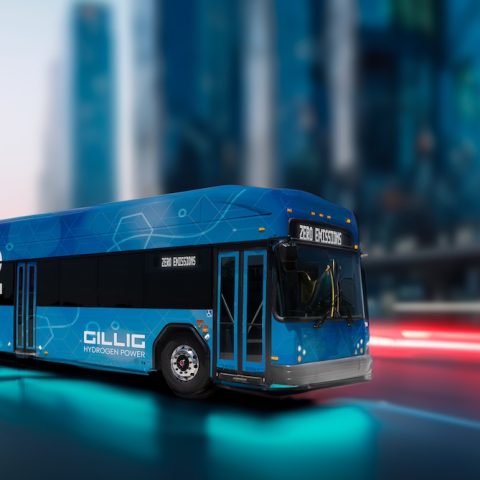
US bus manufacturer Gillig is set to expand its zero-emission product lineup with the addition of a hydrogen fuel cell powered bus, to be developed in collaboration with BAE Systems and Ballard Power Systems.
Earlier this year Gillig has received a major order in Seattle for its battery-electric bus model. In November 2022, Gillig announced that 45 transit agencies have decided to utilize their FTA grants to buy the manufacturer’s low and zero emission buses. Nearly half of Gillig’s partnerships are utilizing Low-No funding to purchase Gillig’s zero-emissions Battery Electric Bus (specifically, the Gen 3 launched in early 2022). It features Akasol AKASystem 9 AKM 150 CYC battery system for the following available capacity configurations: 490 kWh, 588 kWh and 686 kWh,
Gillig fuel cell hydrogen bus in 2026
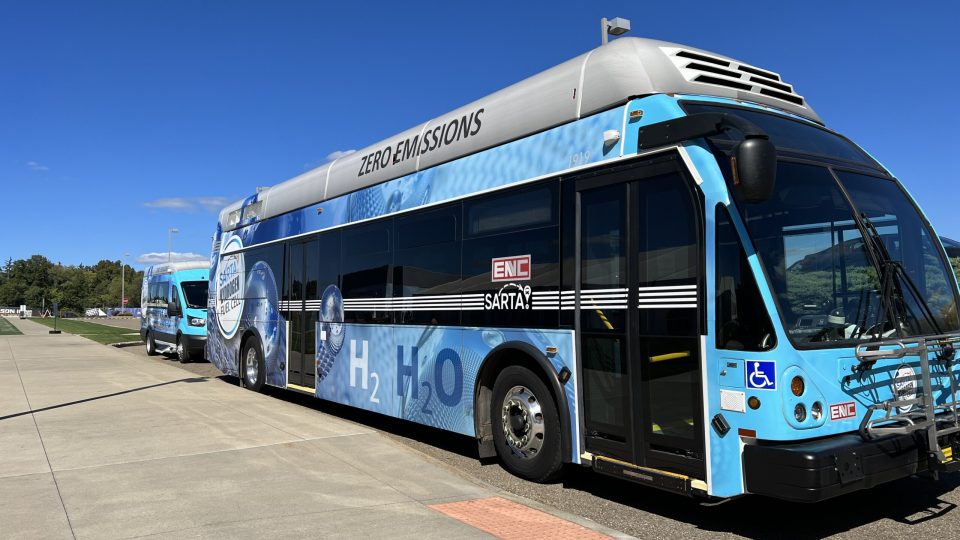
The Gillig hydrogen fuel cell bus, which is currently in development (begin of production is scheduled for 2026), is set to “provide transit agencies with exceptional, zero-emission operational range, rapid refueling capabilities, and reliable performance in diverse climates and terrains. As agencies evaluate their options for the future, this new offering broadens the horizon for those considering hydrogen as a zero-emission solution”, Gillig says.
“Understanding the unique operational challenges faced by each transit agency – from varying duty cycles and geographic terrains to diverse climates and depot locations – is fundamental to our vision of improving quality of life through transformative mass transit solutions,” stated Benjamin Grunat, Gillig’s Vice President of Product Planning and Strategy. “Introducing the hydrogen fuel cell bus into our product lineup signifies Gillig’s commitment to advancing sustainable public transportation technologies. It’s about offering a solution that’s not only flexible enough to fit every fleet but also matured through our thoughtful approach to product development, ensuring reliability and readiness for the demands of today’s transit environment.”
“Our collaboration with Ballard Power Systems and BAE Systems embodies our commitment to leading the industry through thoughtful innovation and intentional partnerships,” said Grunat. “By integrating Ballard’s state-of-the-art fuel cell technology and BAE Systems’ versatile electric powertrain with Gillig’s trusted Low Floor Platform, we are creating a long-range, zero-emission solution that does not compromise on safety, efficiency, or quality that transit agencies have come to expect from Gillig.”
David Mucciacciaro, Senior Vice President and Chief Commercial Officer of Ballard Power Systems, shared his perspective on the new initiative: “With decades of proven performance, Ballard Power Systems’ fuel cells are powering vehicles in some of the most demanding environments around the world. Our collaboration with Gillig and BAE Systems for this hydrogen fuel cell bus combines Gillig’s deep understanding of the unique requirements of American transit operators with our globally tested and trusted technology. We are thrilled to contribute to a project that stands at the intersection of innovation and reliability, propelling the vision of a clean transit future into reality.”
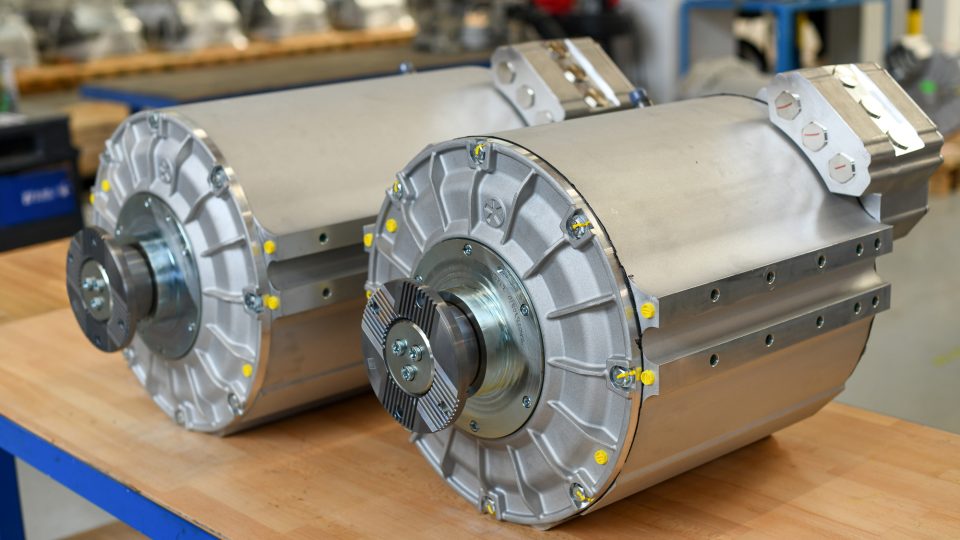
Rob Dykema, director of North American Transit Accounts for Power & Propulsion Solutions at BAE Systems, emphasized the depth of the collaboration between BAE Systems and Gillig, “Reflecting on our decade of work with Gillig, integrating our advanced powertrain systems has set a precedent for excellence and reliability in public transit,” said Dykema. “This new opportunity to deliver our technology for use on Gillig’s hydrogen fuel cell bus is a thrilling next step that leverages our collective expertise for sustainable innovation. We’re proud to continue this journey, enhancing the environmental footprint of public transportation together.”